Coming from Sea Level? Why Ollantaytambo Is the Best Place to Acclimatize Before Machu Picchu
If you live at sea level and the word «altitude» makes you nervous, here is the simplest fix: spend your first nights in Ollantaytambo, not Cusco. Ollantaytambo sits about 600 meters (almost 2,000 feet) lower than Cusco, so your body adjusts more gently while you still sleep right next to the trains and trails to Machu Picchu.
We are a local team based in Cusco and the Sacred Valley, and we have guided more than 1,000 travelers, many of them flying in straight from the coast. This guide explains how the two towns compare, why starting low works, and what you can actually do in Ollantaytambo while your body catches up.
Cusco vs Ollantaytambo: how high are they?
Cusco is at about 3,400 m (11,150 ft); Ollantaytambo is at about 2,792 m (9,160 ft). That 600 m gap is the difference between a rough first night and a comfortable one for many travelers.
| Place | Altitude (m) | Altitude (ft) | What it means for you |
|---|---|---|---|
| Lima (coast) | 0–150 | 0–500 | Where most international flights land |
| Aguas Calientes | ~2,040 | ~6,690 | The town below Machu Picchu, easy to sleep in |
| Machu Picchu | ~2,430 | ~7,970 | Lower than both Cusco and Ollantaytambo |
| Ollantaytambo | ~2,792 | ~9,160 | Ideal first base: high enough to adapt, low enough to rest well |
| Cusco | ~3,400 | ~11,150 | Where most travelers feel the altitude on day one |
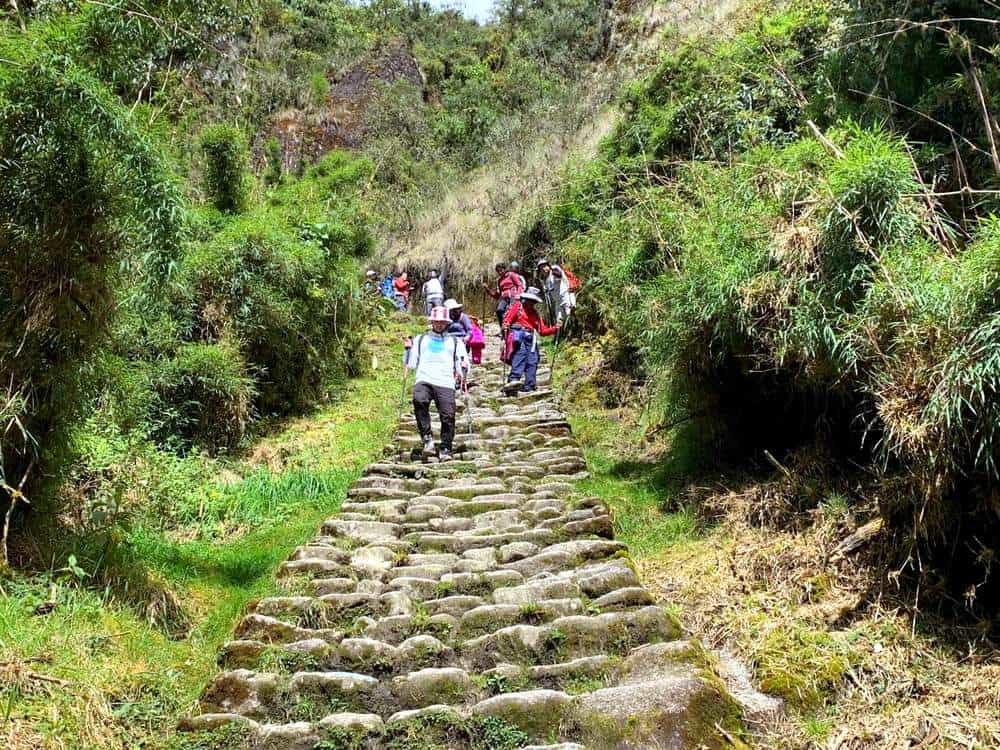
| Dead Woman’s Pass (Classic Inca Trail) | ~4,215 | ~13,830 | The highest point of the 4-day Inca Trail |
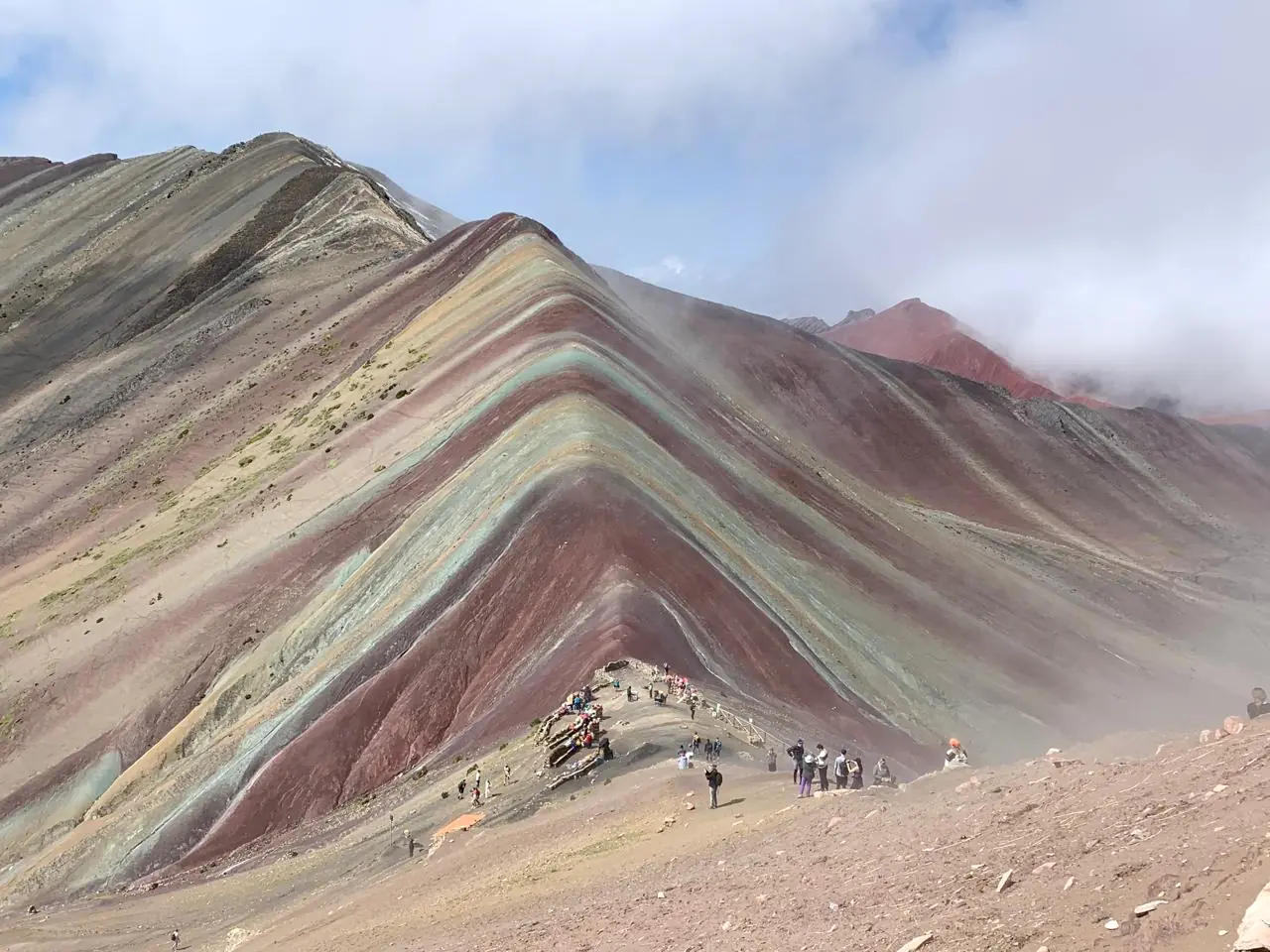
| Rainbow Mountain | ~5,000 | ~16,400 | Only after several days of acclimatization |
The surprise for most visitors: Machu Picchu stands at 2,430 m according to UNESCO, lower than Cusco. The hard part of the trip is usually the first 48 hours in Cusco, not the citadel.
Why Ollantaytambo is the smart place to start
The golden rule of acclimatization is «climb high, sleep low.» The CDC Yellow Book explains that your sleeping altitude and how fast you go up are the main factors behind altitude sickness. When you land at Cusco airport, you can drive straight down to Ollantaytambo (about 1.5–2 hours) and sleep 600 m lower on your very first night.
- Better sleep from night one. Poor sleep is one of the most common altitude complaints. More oxygen at night means you wake up rested instead of exhausted.
- You are already at the trailhead. Trains to Machu Picchu leave from Ollantaytambo, and the Short Inca Trail (KM 104) and Classic Inca Trail (KM 82) start nearby. No 4 a.m. pickups from Cusco.
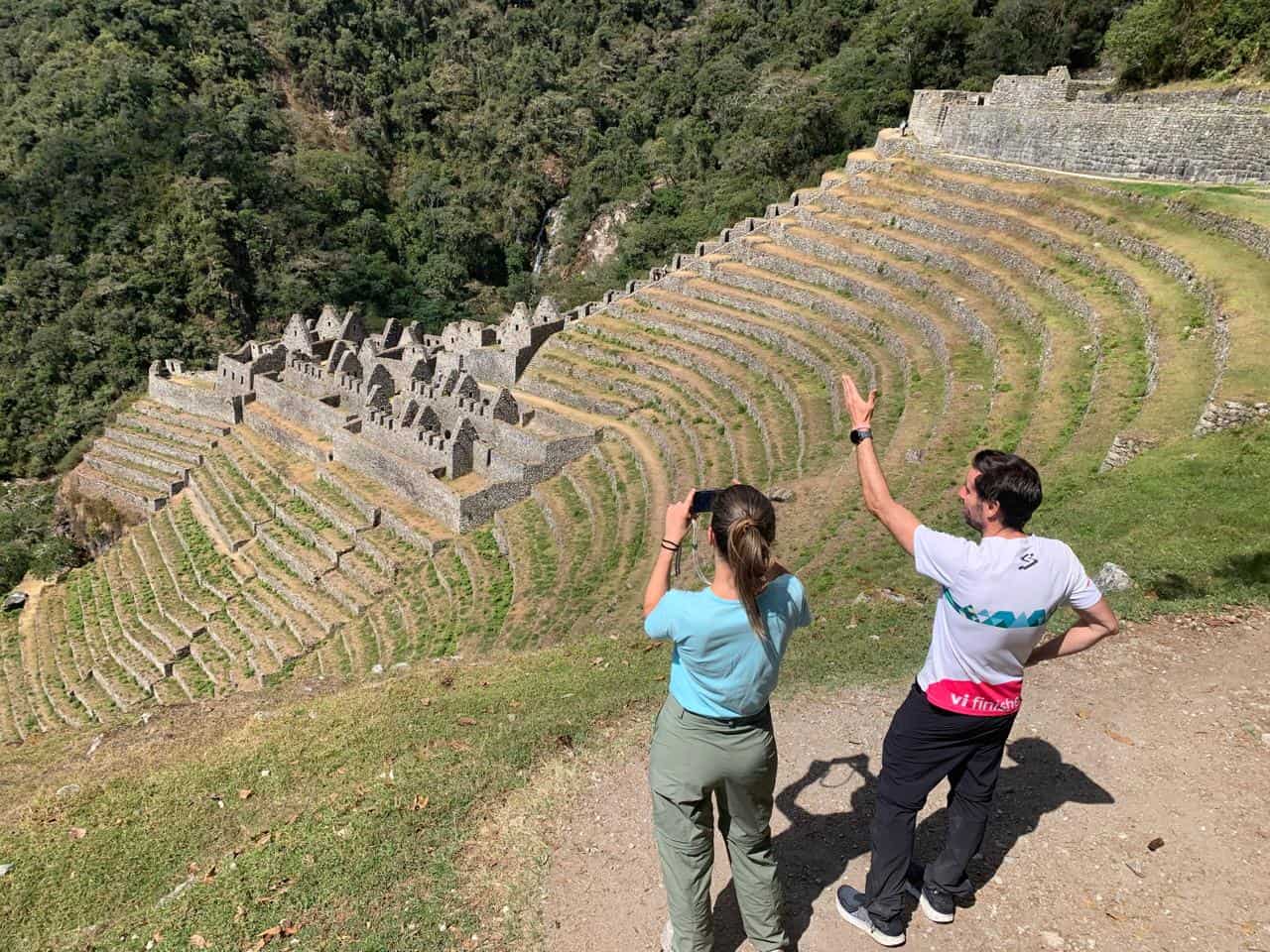
- A living Inca town. Ollantaytambo is one of the few places where people still live in original Inca streets and use Inca water channels. You are not «waiting» here; it is one of the highlights of the trip.
- Warmer and greener. The Sacred Valley is milder than Cusco, which makes easy walks more comfortable while your body adapts.
- Cusco comes later, when you are ready. Visit Cusco at the end of your trip, after a few days in the valley. By then 3,400 m feels much easier.
What to do in Ollantaytambo while you acclimatize
The idea is to stay gently active: walk, explore, climb a little, then rest. Here is a simple 2-day plan that works for most travelers coming from sea level.
Day 1 – Arrive and take it easy
- Fly into Cusco and transfer directly to Ollantaytambo (or stop at Chinchero, Moray and the Maras salt mines on the way, as on our Sacred Valley Tour & Short Inca Trail).
- Check in, drink coca tea and rest for an hour.
- Walk slowly through the old Inca town: the stone streets, the water channels and the main square.
- Early dinner, light food, and a full night’s sleep.
Day 2 – Light activity, a little higher
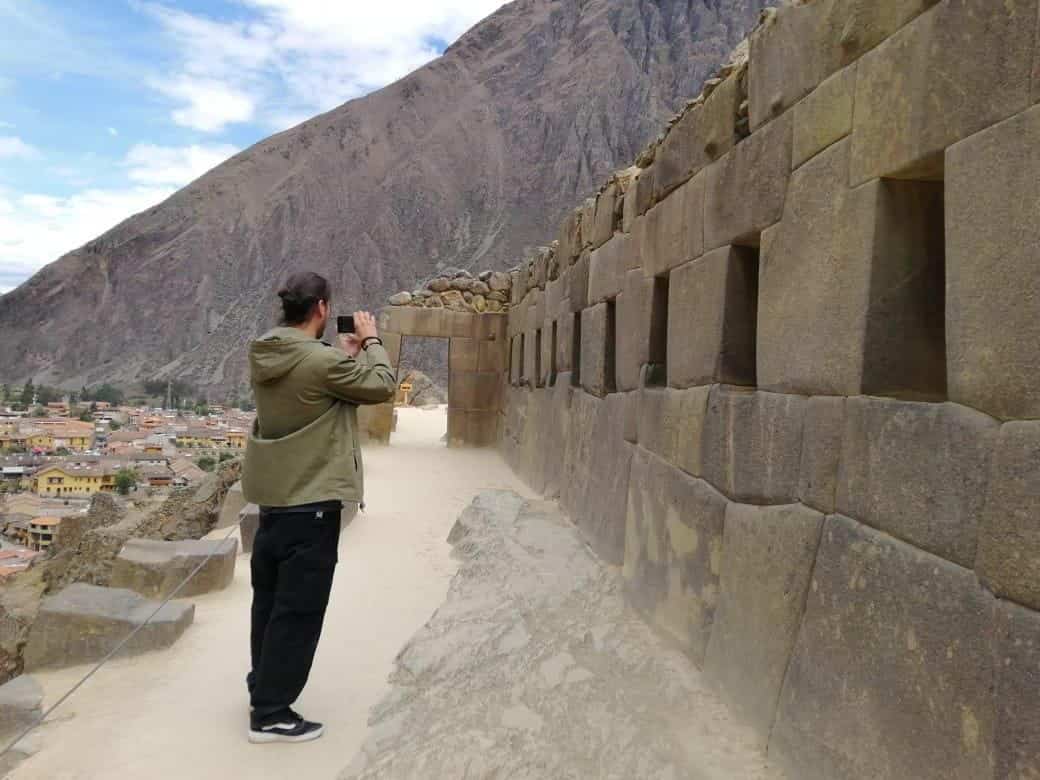
- Visit the Ollantaytambo Archaeological Park: the terraces, the Temple of the Sun and the Water Temple. The climb up the terraces is short and steady, perfect training.
- Hike to Ñaupa Iglesia, an Inca huaca carved in volcanic rock with a chacana (Andean cross) and the famous «Inca Portal.» It is about 200 m of stone steps, a great test of how your body is doing.
- Or ride a horse up to Inti Punku (Sun Gate) of Cachiccata, which lets you reach higher ground without effort.
- Afternoon rest, then get ready for Machu Picchu or your trek.
If you feel good on day 2, you are ready for the Inca Trail. If you feel tired or have a headache, take it slow and add an extra easy day.
Acclimatization tips that actually help
- Go slow the first 24 hours. Walk at half your normal speed and skip intense exercise on arrival day.
- Drink water all day. Dry mountain air dehydrates you fast. Aim for 2–3 liters a day.
- Try coca tea (mate de coca). Locals have used it for centuries for altitude. You will find it in every hotel lobby.
- Eat light, eat carbs. Soups, rice, potatoes and quinoa are easier to digest at altitude than heavy meats or fried food.
- Skip alcohol for the first 48 hours. The CDC recommends it, and it also helps you sleep better.
- Sleep low, explore high. Short walks above Ollantaytambo and back down to sleep are the best natural training.
- Talk to your doctor before you travel. Ask whether altitude medication (such as acetazolamide) makes sense for you, especially if you have heart, lung or blood pressure conditions. The CDC’s Travel to High Altitudes page is a good place to start.
- Plan your route in the right order. Ollantaytambo → Machu Picchu → Cusco → high treks like Rainbow Mountain. Our Sacred Valley, Machu Picchu & Rainbow Mountain tour follows exactly this order.
Normal symptoms vs warning signs
Mild symptoms on the first day are common and usually fade within 24–48 hours: a light headache, feeling short of breath on stairs, tiredness, poor appetite or a restless first night.
Get medical help and go lower if you notice any of these (see the CDC’s guide to altitude illness for full details):
- A severe headache that does not improve with rest and water
- Vomiting, confusion or trouble walking in a straight line
- Shortness of breath while resting, or a persistent wet cough
Our guides carry oxygen and first aid on every tour, and they check on each traveler throughout the day. Never feel embarrassed to tell your guide how you feel.
FAQ
Is Ollantaytambo lower than Cusco? Yes. Ollantaytambo is about 2,792 m (9,160 ft) and Cusco about 3,400 m (11,150 ft), roughly 600 m lower.
How many days do I need to acclimatize before the Inca Trail? Most travelers do well with 2 days in the Sacred Valley or Ollantaytambo before starting. For the 4-day Classic Inca Trail, which reaches 4,215 m, 2–3 days is safer.
Can I go straight from Lima to Ollantaytambo? Yes. Fly Lima–Cusco (about 1 hour 20 minutes) and transfer directly to Ollantaytambo without staying in Cusco first.
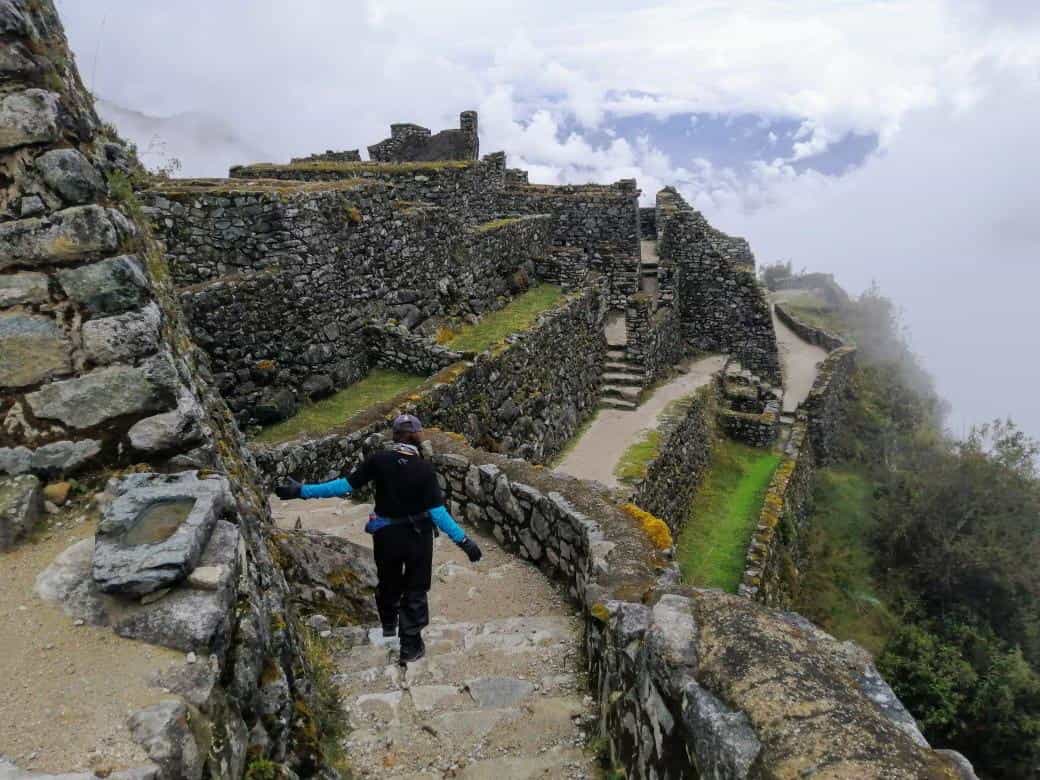
Will I get altitude sickness at Machu Picchu? It is unlikely. Machu Picchu (about 2,430 m) is lower than both Cusco and Ollantaytambo. The easiest way in is the Short Inca Trail, which stays between 2,100 and 2,700 m.
Is Ollantaytambo good for families and older travelers? Yes. The lower altitude, mild weather and short walks make it one of the most comfortable bases in the region.
Tours designed for travelers coming from sea level
Every one of these routes starts low in the Sacred Valley and lets your body adjust before the higher days:
- The Ollantaytambo Experience (5 hours) – Archaeological Park, Water Temple and the Ñaupa Iglesia hike. Our gentlest warm-up before any trek.
- Sacred Valley Tour & Short Inca Trail (3 days) – A full day in the valley, a night in Ollantaytambo, then the Inca Trail to Machu Picchu.
- Sacred Valley, Machu Picchu & Rainbow Mountain (4 days) – Built in the right altitude order: low first, Rainbow Mountain last.
- Classic Inca Trail (4 days) – Add 2–3 days in Ollantaytambo before you start.
Not sure which one fits you? Write to us at [email protected] or on WhatsApp +51 954 400 642 and our local team will help you plan your days around the altitude.