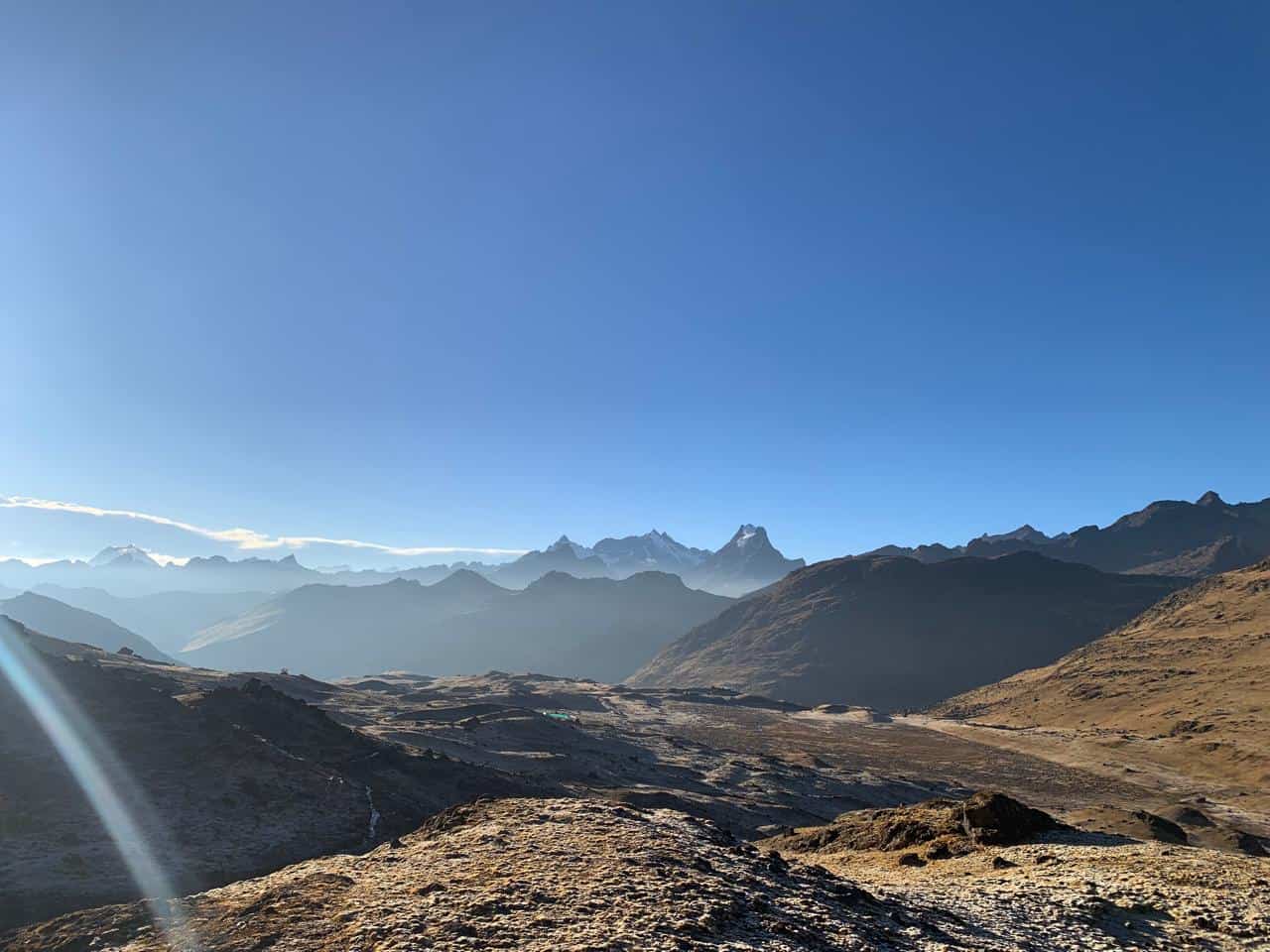
Inca Quarry Trail (5 Days) vs. Salkantay Trek & Short Inca Trail (6 Days) to Machu Picchu
Inca Quarry Trail vs Salkantay Trek — that’s the real choice for most travelers who plan their trip to Machu Picchu around the Classic Inca Trail, only to find out the permits sold out months before they even started looking. Peru’s Ministry of Culture releases just 500 permits per day for the Classic Inca Trail (trekkers and staff combined), and during the June–September high season, those permits are gone within weeks of release.
The good news is that the Classic Inca Trail is not the only way to walk into Machu Picchu on foot. Inca Trail Classic runs two multi-day combination treks that end the exact same way — through Wiñay Wayna and the Sun Gate (Inti Punku) on the Short Inca Trail — but get you there through completely different landscapes, at a completely different pace. This guide breaks down both routes in detail: what each day actually looks like, how hard they are, what they cost, and which one fits your fitness level, your dates, and the kind of trip you’re after.
Both routes end at the same place: the UNESCO World Heritage Site of Machu Picchu, inscribed in 1983.
Quick Comparison
| Detail | Inca Quarry Trail & Short Inca Trail | Salkantay Trek & Short Inca Trail |
|---|---|---|
| Duration | 5 Days / 4 Nights | 6 Days / 5 Nights |
| Difficulty | Moderate | Challenging |
| Max. Altitude | 4,330 m / 14,206 ft (Cañón de Buena Negra) | 4,600 m / 15,092 ft (Salkantay Pass) |
| Trek-Specific Days | 3 days (Inca ruins, quarries, high plains) | 4 days (snow-capped peaks, cloud forest) |
| Final Days | 2 days: Short Inca Trail via Km 104 → Machu Picchu | 2 days: Short Inca Trail via Km 104 → Machu Picchu |
| Camping Nights | 3 nights camping, 1 night hotel in Aguas Calientes | 3–4 nights camping, 1 night hotel in Aguas Calientes |
| Crowd Level | Very low — one of the quietest routes in the region | Low–moderate — increasingly popular but still far quieter than the Classic Inca Trail |
| Permit Required | No (Short Inca Trail segment has its own separate daily limit) | No (Short Inca Trail segment has its own separate daily limit) |
| Price per person | $900 USD | Price per Person $920 |
Inca Quarry Trail & Short Inca Trail to Machu Picchu (5 Days)
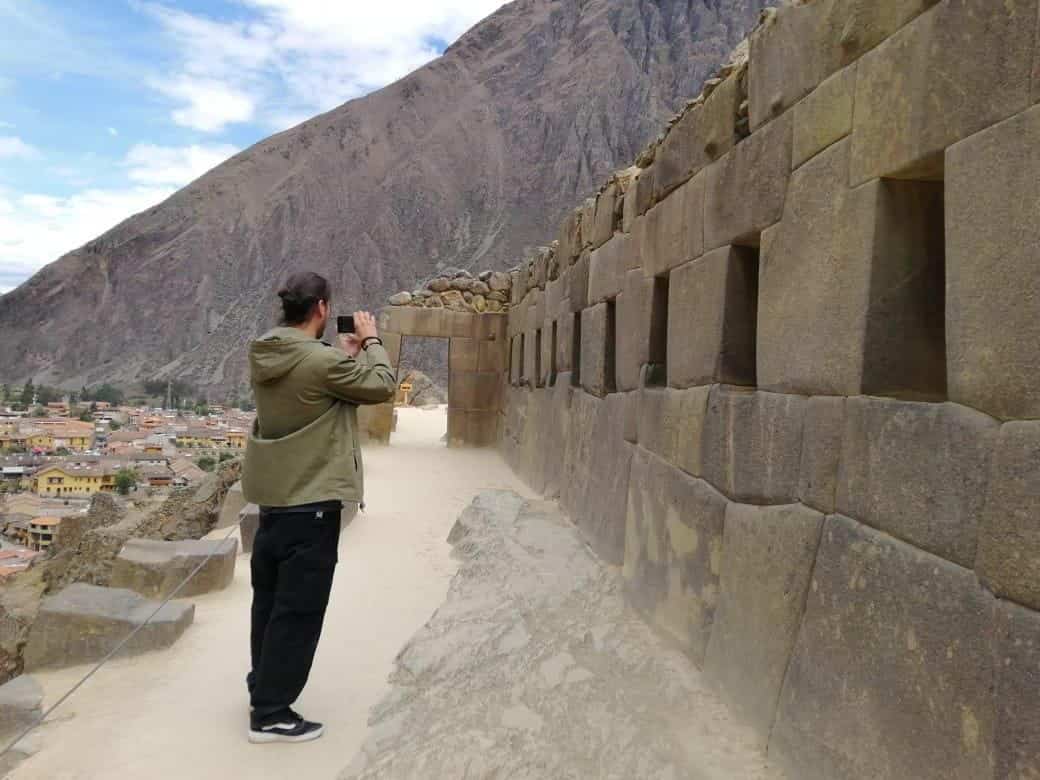
Most visitors to Cusco have never heard of the Inca Quarry Trail, and that’s exactly its appeal. The route follows the ancient path used to move enormous carved stone blocks from the Cachicata quarries — the same stone that built Ollantaytambo’s fortress — across high plains, past forgotten ruins, and through valleys where you’re far more likely to run into a herd of alpacas than another group of trekkers. On day three you walk directly through the quarry itself, past half-finished blocks the Incas never got around to moving, and the tombs of the stonemasons who worked them.
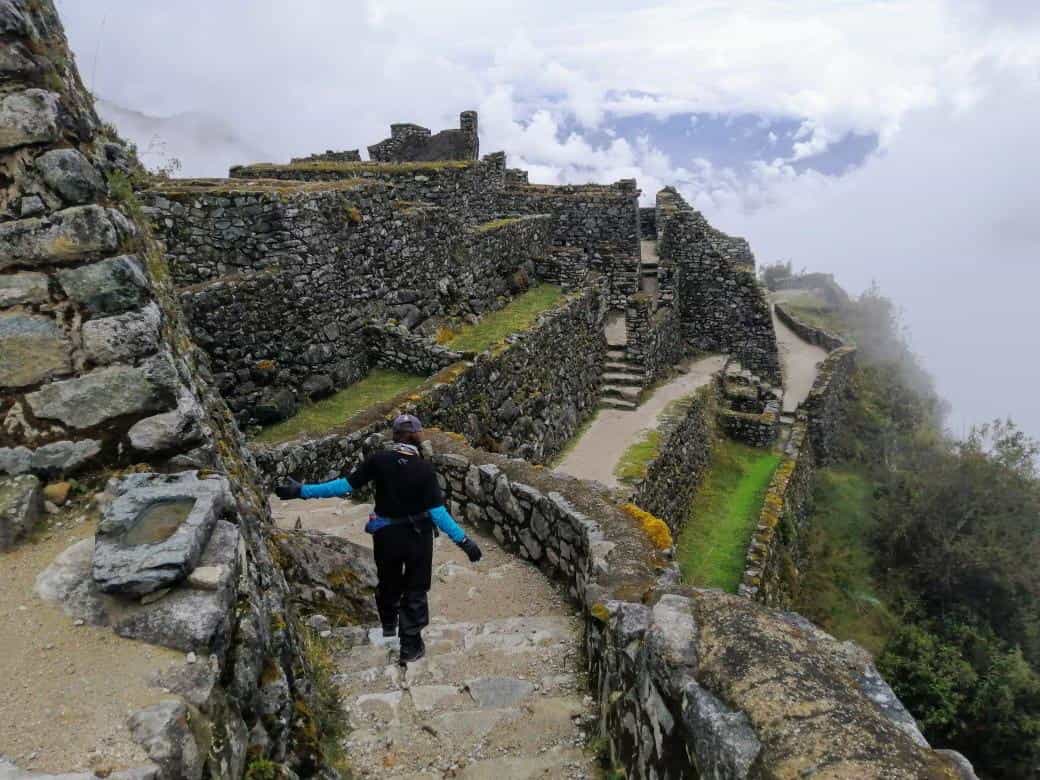
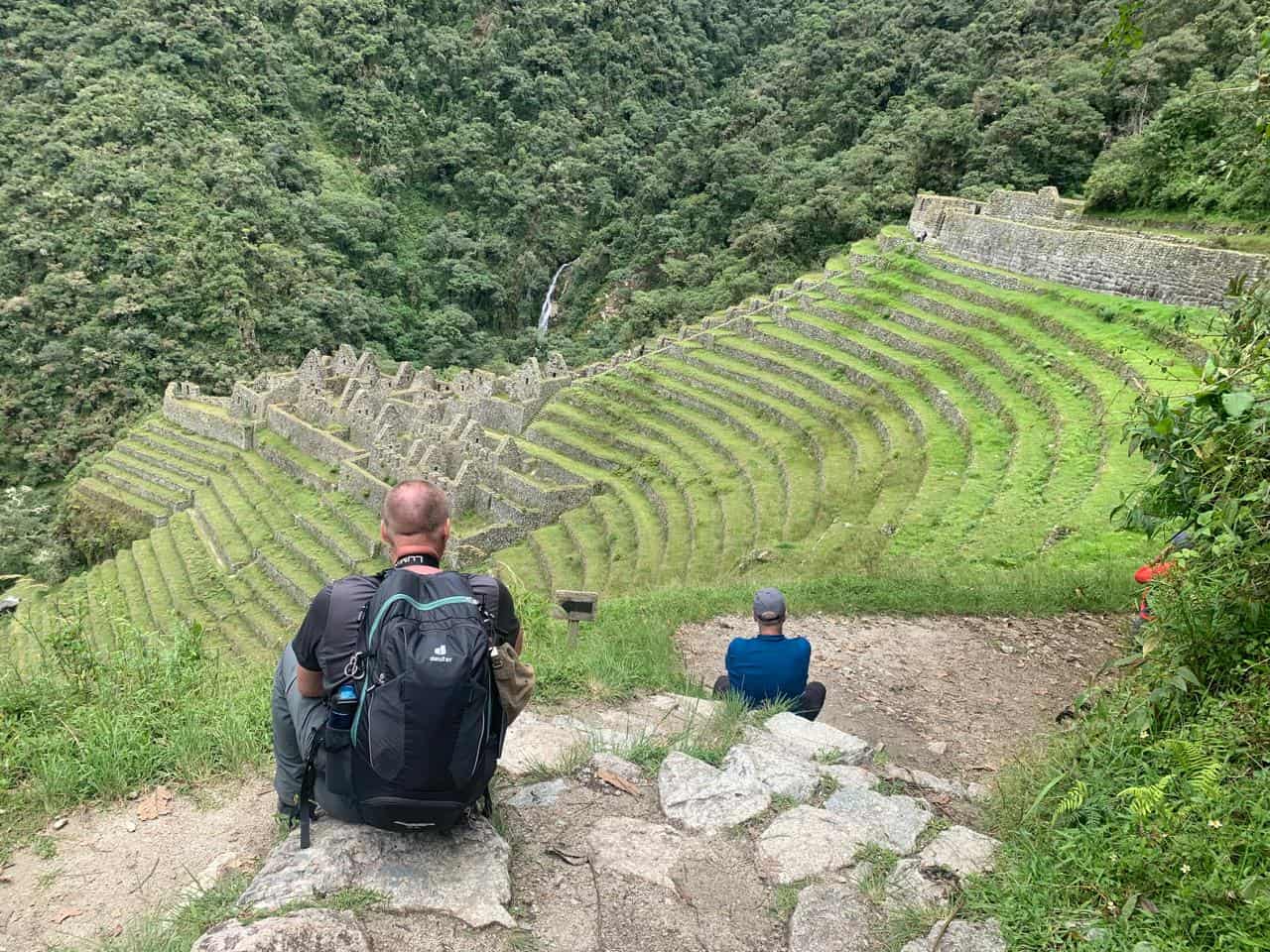
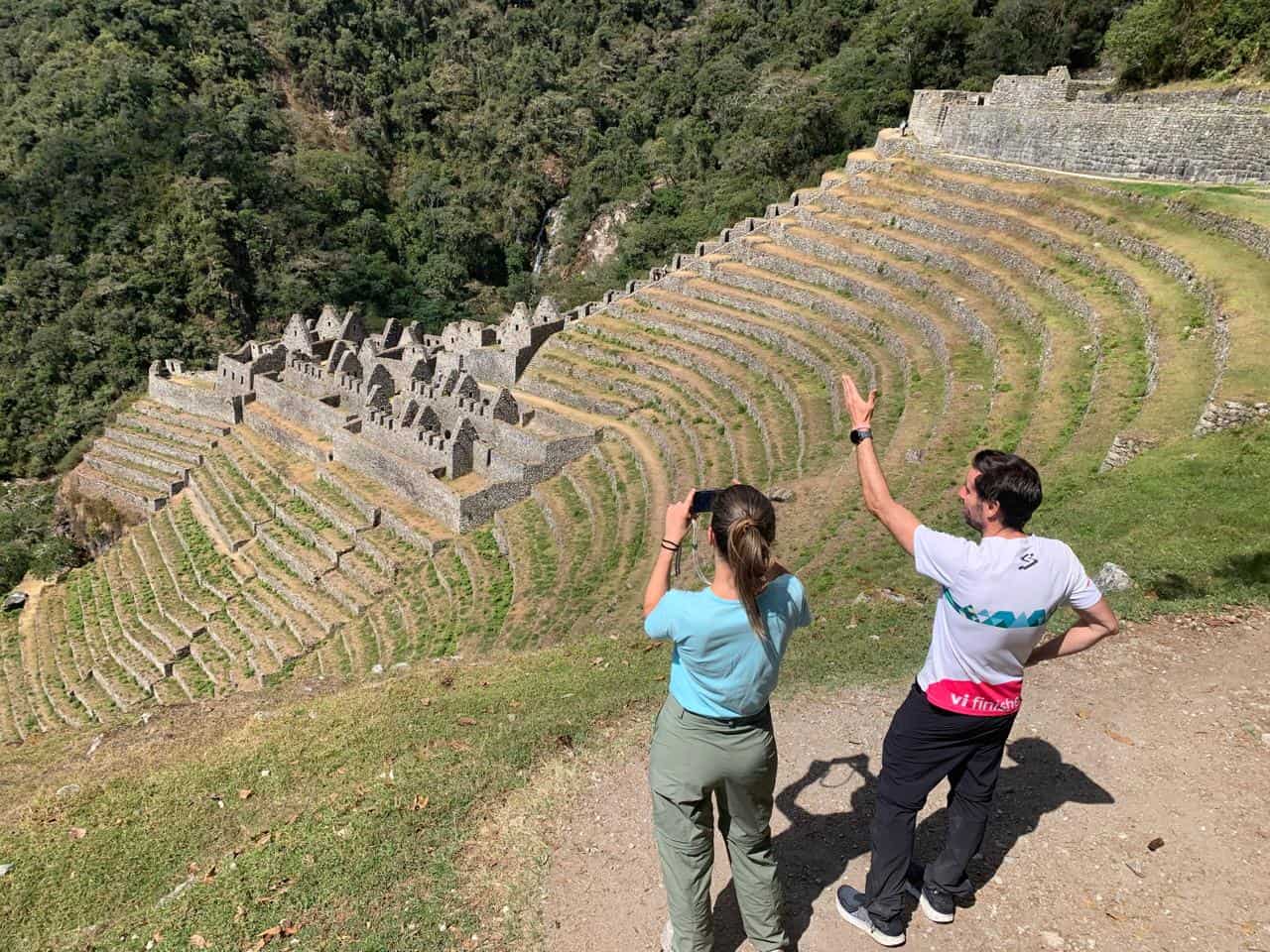
The trek then connects into the Short Inca Trail for its final two days, joining the same stretch of original Inca stonework used by Classic Inca Trail trekkers — Chachabamba, Wiñay Wayna, and the walk through the Sun Gate at sunrise.
| Day | Route | Distance | Altitude Range |
|---|---|---|---|
| Day 1 | Cusco → Ollantaytambo → Soqma → Perolniyoc Waterfall → Qorimarca camp | 9 km | 2,999 m – 3,590 m |
| Day 2 | Rayan → Cañón de Buena Negra (high point) → Wakaywillka (Verónica Temple) → Choquetacarpa Pampa camp | 12 km | up to 4,330 m |
| Day 3 | Descent through the Cachicata Inca quarries & stonemasons’ tombs → Ollantaytambo (optional Pachamanca) | 7 km | 2,900 m – 3,600 m |
| Day 4 | Train Ollantaytambo → Km 104 → Chachabamba → Wiñay Wayna → Sun Gate → Aguas Calientes | 12 km | 2,100 m – 2,700 m |
| Day 5 | Guided Machu Picchu tour (2.5 hrs) → return to Cusco | — | 2,430 m |
Why trekkers choose this route: it’s genuinely quiet, it puts you inside real Inca engineering (the quarry itself, not just the ruins it built), and at 4,330 m it’s a real trek without quite reaching the altitude extremes of Salkantay. The optional Pachamanca — a traditional Andean earth-oven meal — on day three is a highlight most other treks don’t offer.
Price: $900 USD per person. Full details on our Inca Quarry Trail & Short Inca Trail (5 Days) tour page.
Salkantay Trek & Short Inca Trail to Machu Picchu (6 Days)
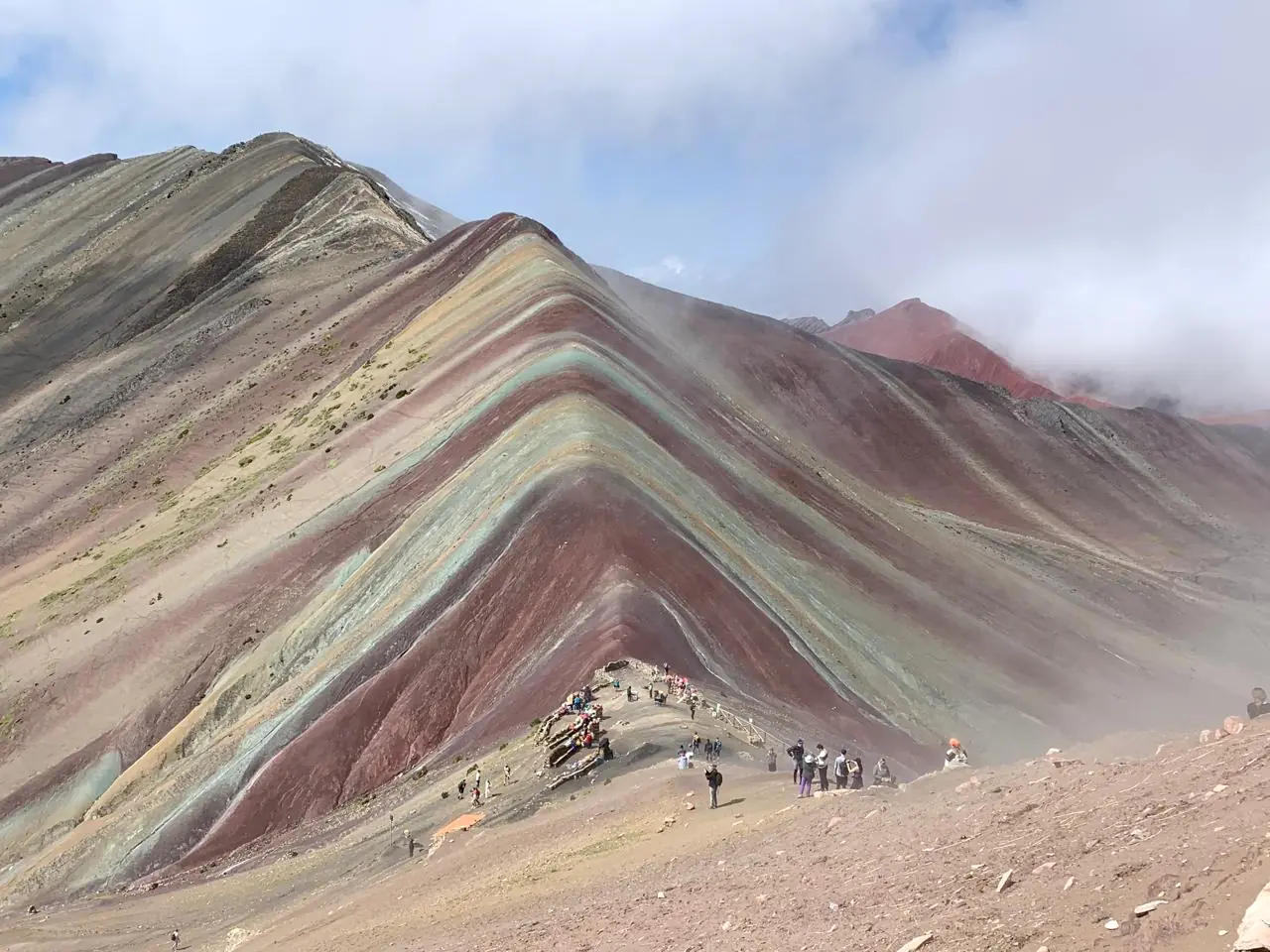
If the Inca Quarry Trail is about history, the Salkantay route is about scale. Ranked by National Geographic among the world’s top 25 treks, this route takes you directly beneath Apu Salkantay — at 6,271 m, the highest peak in the Vilcabamba mountain range and one of the most revered mountain spirits (Apus) in Andean cosmology. Day one takes you up to the turquoise Humantay Lagoon, day two crosses the Salkantay Pass itself at 4,600 m, and from there the trail drops nearly 2,500 vertical meters over the following days — through cloud forest, coffee country, and the edge of the Amazon jungle near Santa Teresa — before joining the same Short Inca Trail finish used by the Inca Quarry Trail combo.
| Day | Route | Lowest Elevation | Highest Elevation |
|---|---|---|---|
| Day 1 | Cusco → Mollepata (breakfast) → Soraypampa → Humantay Lagoon → Salkantaypampa camp | 2,800 m | 4,200 m |
| Day 2 | Salkantaypampa → Salkantay Pass → Wairaqmachay (lunch) → Chaullay / Collpapampa camp | 3,700 m | 4,600 m |
| Day 3 | Chaullay → Cocalmayo (Santa Teresa) → Lucmabamba → hot springs | 2,500 m | 3,700 m |
| Day 4 | Lucmabamba → Llactapata (first Machu Picchu views) → Hidroeléctrica → train/walk to Aguas Calientes | 2,150 m | 2,700 m |
| Day 5 | Aguas Calientes → Km 104 → Chachabamba → Wiñay Wayna → Sun Gate → Machu Picchu → back to Aguas Calientes | 2,050 m | 2,400 m |
| Day 6 | Aguas Calientes → guided Machu Picchu tour (2 hrs) → train/bus to Ollantaytambo → Cusco | 2,100 m | — |
Why trekkers choose this route: the mountain scenery is unmatched — glaciers, the sacred Apu Salkantay, and one of Peru’s most photographed lagoons, all before you’ve even reached Machu Picchu. Day two is the hardest day of either trek (the Salkantay Pass at 4,600 m), but it’s also the most rewarding, and the natural hot springs at the end of day three are a welcome reward after the descent. Day four ends with the first glimpse of Machu Picchu from Llactapata, across the valley — a moment most trekkers didn’t know to expect.
Physical Difficulty: What to Actually Expect
Neither route requires technical climbing skill, but both demand solid cardiovascular fitness and some altitude acclimatization before you start.
| Factor | Inca Quarry Trail | Salkantay Trek |
|---|---|---|
| Toughest single day | Day 2 — 12 km with a climb to 4,330 m | Day 2 — crossing the Salkantay Pass at 4,600 m |
| Daily walking time | 4–6 hours | 6–9 hours (day 2) |
| Recommended prep | Regular cardio for 4–6 weeks before departure | Regular cardio + hill training for 6–8 weeks before departure |
| Best suited for | Fit beginners and intermediate trekkers | Intermediate to experienced trekkers |
Whichever route you pick, we recommend spending at least 2 full days in Cusco (3,399 m) beforehand to acclimatize before starting either trek.
Which One Should You Choose?
- Choose the Inca Quarry Trail combo if you want more Inca archaeology, quieter trails, a slightly shorter trip, and a moderate physical challenge.
- Choose the Salkantay combo if you want dramatic high-altitude mountain scenery, don’t mind a tougher pass day and a longer trip, and want one of the most photographed treks in Peru.
- Want the original route instead? See our Classic Inca Trail to Machu Picchu (4 Days) or the 5-Day Inca Trail with full camping service.
- Want a shorter taste of the trail? Try the Short Inca Trail to Machu Picchu via Km 104.
- Prefer the Sacred Valley on horseback? Check the Sun Gate Tour by Horse.
- Looking for something else entirely? The Lares Trek and Short Inca Trail (4 Days) — $750 USD per person — combines hot springs and a high pass with the same Short Inca Trail finish.
When to Go
Both treks run best during Peru’s dry season, April through October, when trails are clear and mountain views are at their best. May, June, and September tend to offer the best balance of good weather and smaller crowds. The wet season (November–March) brings a higher chance of rain and slippery trail sections, especially on the Salkantay Pass and the Short Inca Trail’s stone steps — though both routes still operate year-round, unlike the Classic Inca Trail, which closes entirely every February for trail maintenance.
Frequently Asked Questions
Do I need a permit for either trek?
No government permit is required for the Inca Quarry Trail or the Salkantay Trek themselves. However, the Short Inca Trail segment (from Km 104) that both routes use to finish does have its own separate, smaller daily entrance limit, so we still recommend booking a few weeks to a couple of months ahead in high season.
How far in advance should I book?
Because neither route needs the Classic Inca Trail permit, both can typically be booked with much less lead time — but train tickets to and from Aguas Calientes sell out during June–August, so booking at least 4–6 weeks ahead is still a good idea.
Can beginners do these treks?
Reasonably fit beginners with a few weeks of cardio training can complete the Inca Quarry Trail. The Salkantay Trek’s second day is more demanding and is better suited to trekkers with some prior hiking experience.
What’s included?
Both combo treks include camping equipment, a professional guide, meals during the trek, entrance fees, train tickets for the Short Inca Trail segment, and the guided Machu Picchu tour on the final day. Contact us for the full inclusions list for each tour.
Good to Know
- Neither combo requires the government-issued Inca Trail permit, unlike the Classic Inca Trail — both can generally be booked closer to your travel dates, though the Short Inca Trail segment (Km 104) still has its own daily limit.
- The Classic Inca Trail permit system, for comparison, is managed by the Dirección Desconcentrada de Cultura Cusco and CARTUC.
- Machu Picchu is a UNESCO World Heritage Site, inscribed in 1983.
Contacto para reservas: [email protected] / WhatsApp +51 954 400 642.