The Ollantaytambo Experience: Beyond the Postcard
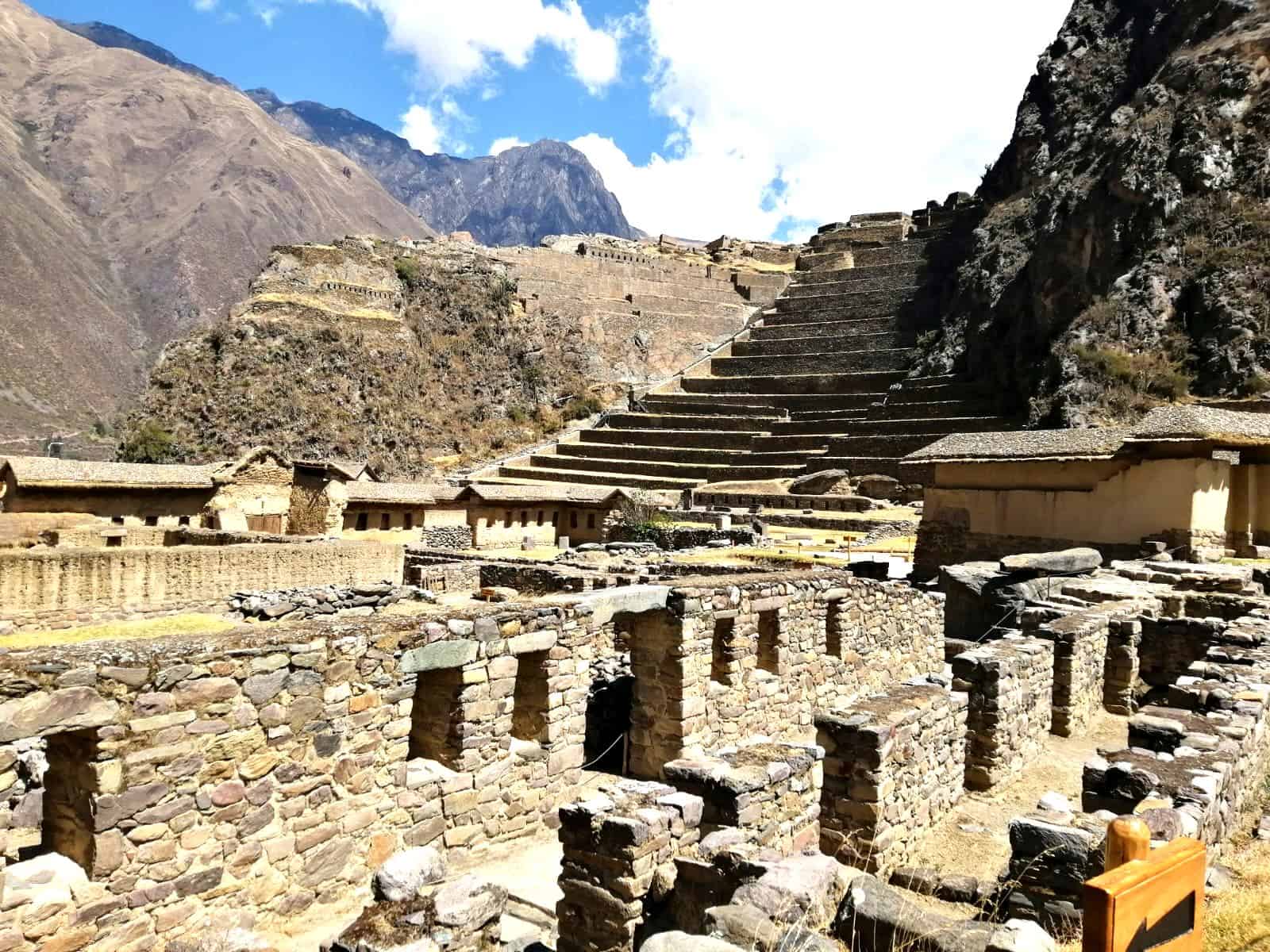
You step off the train or out of the van, and there it is — the terraces climbing the hillside, exactly like every photo you’ve seen. It’s real, and it’s worth every second you’ll spend looking up at it. But stay in Ollantaytambo for a few hours with someone who actually knows the town, and the place opens up into something no postcard ever showed you: a quiet chamber carved into rock, a grid of streets Incas have walked for centuries, stories that don’t make it into the guidebooks. That shift — from photo stop to something you actually feel — is what the Ollantaytambo experience is really about.
This is a 5-hour Ollantaytambo experience, not a checklist. It’s built for the moment right after you arrive in the Sacred Valley — while your body is still adjusting to the altitude and your trip hasn’t fully started yet — and it turns that in-between time into one of the most memorable mornings of your whole itinerary. Travelers who’ve done this Ollantaytambo experience often say it’s the one they didn’t expect to be a highlight.
Why This, and Why Now?
Most travelers land in Ollantaytambo with a free half-day and no real plan for it, usually because they’re here to acclimatize before heading deeper into the mountains. Left on your own, you’ll find the fortress easily enough — everyone does. What you won’t stumble onto by yourself is
Ñaupa Iglesia, a lesser-known Inca site carved into the rock outside town that barely makes it into any guidebook.
That’s the gap this experience fills: a local guide who takes you past what’s obvious and into what most visitors never see.
What the Experience Feels Like
- Standing Inside the Fortress
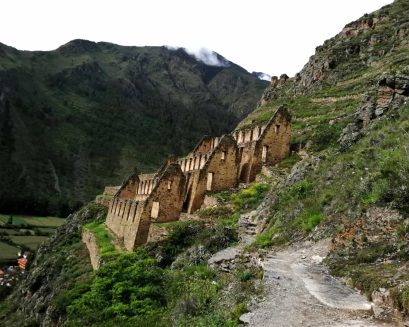
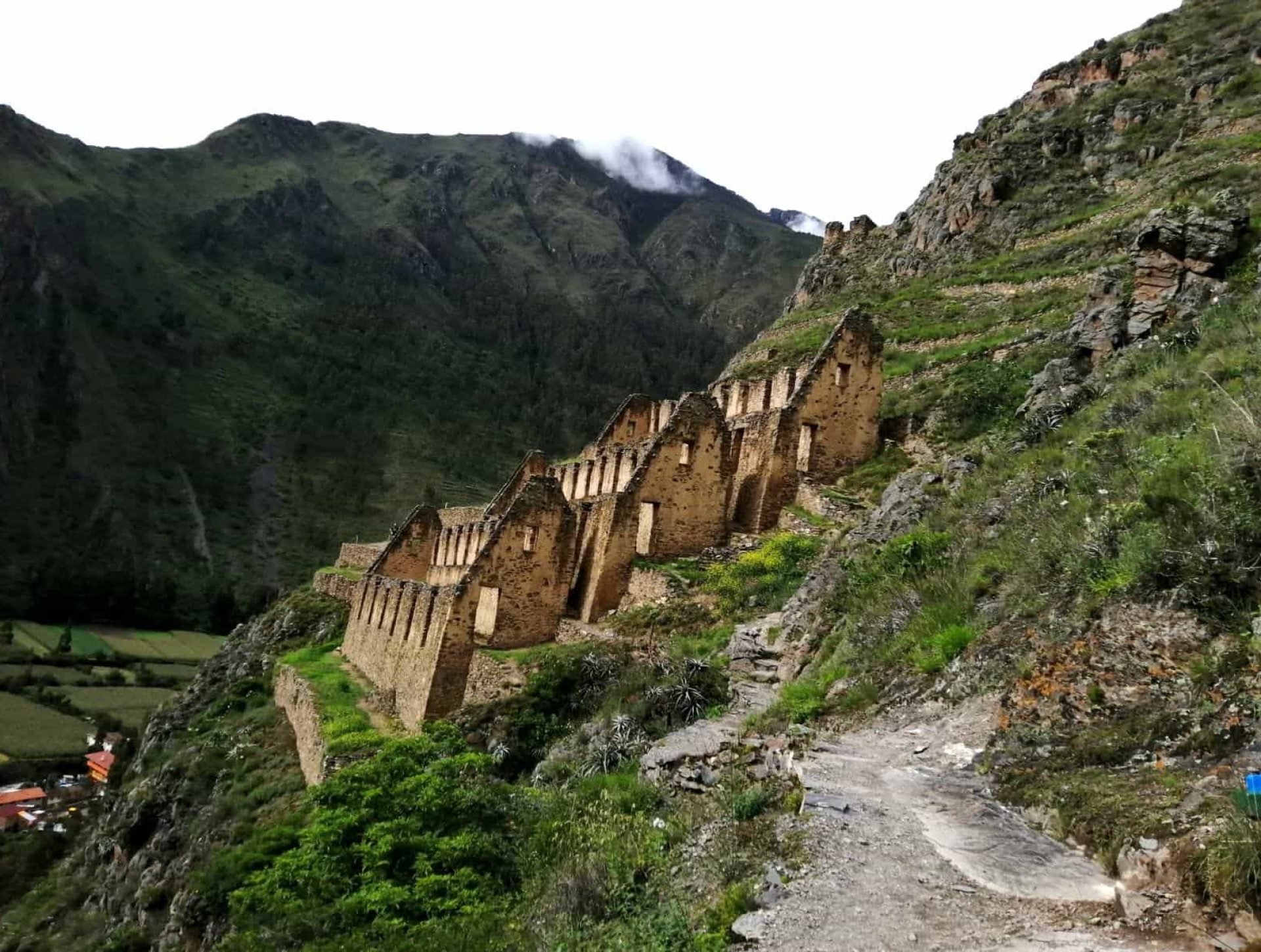
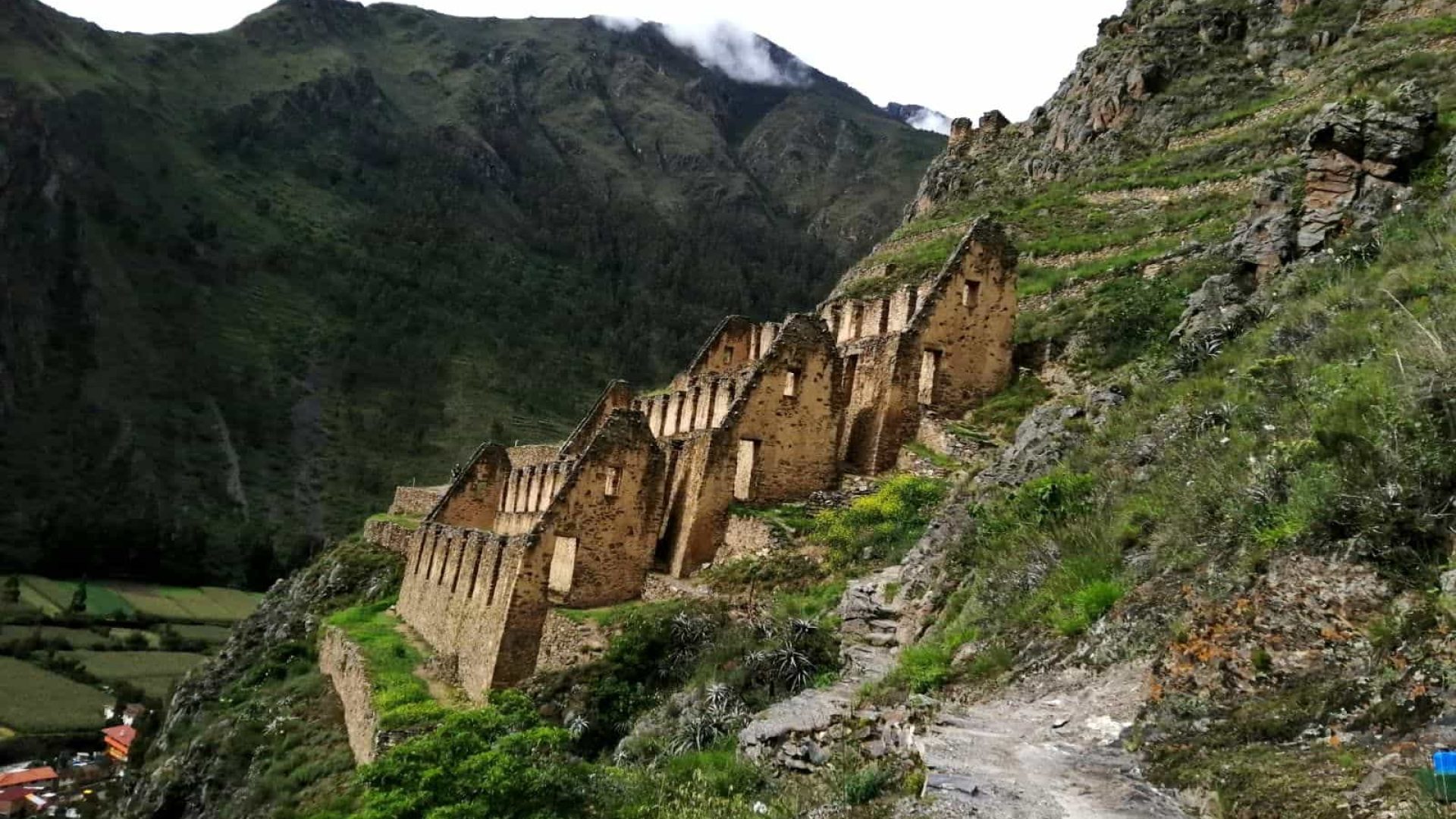
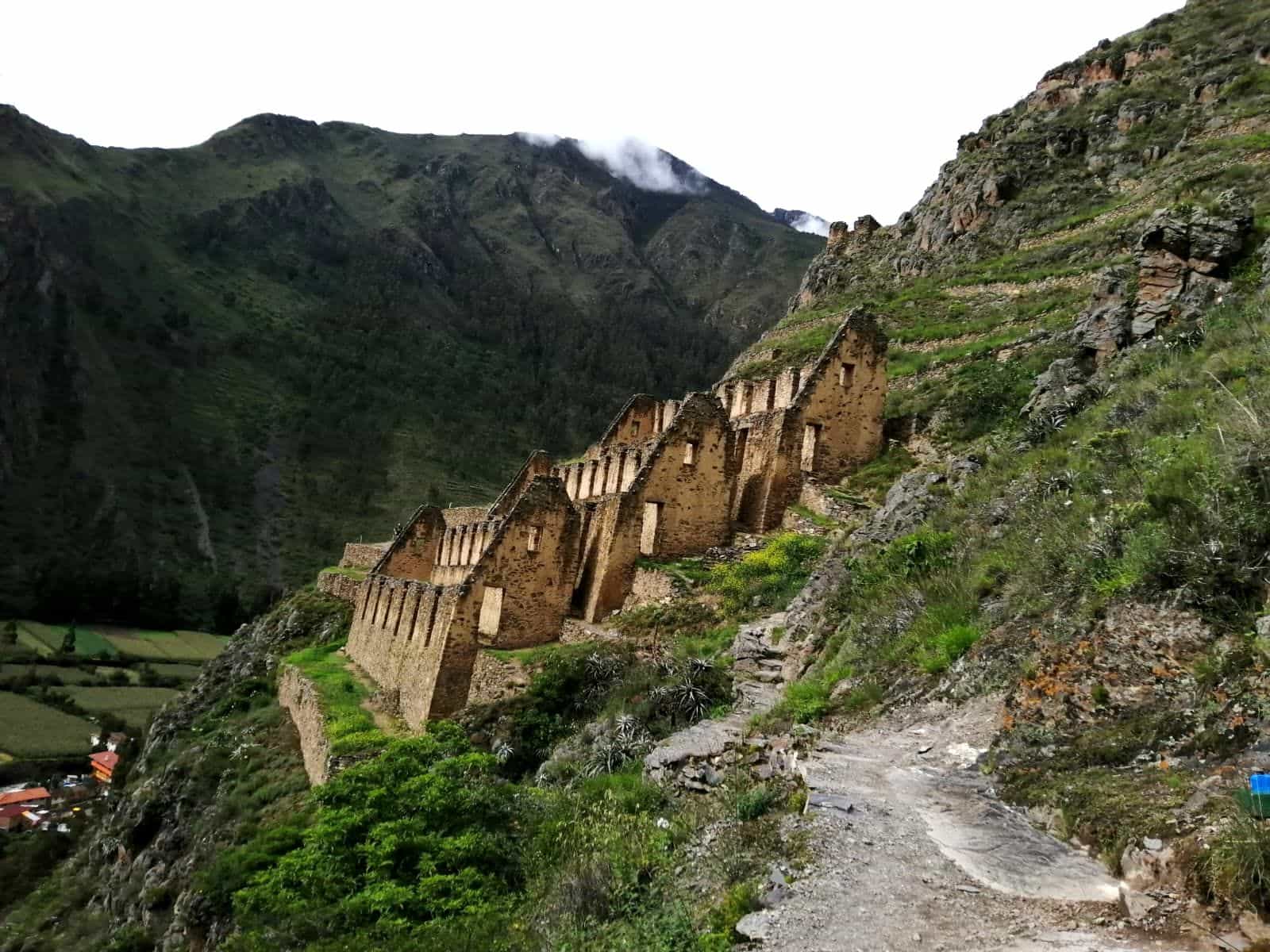
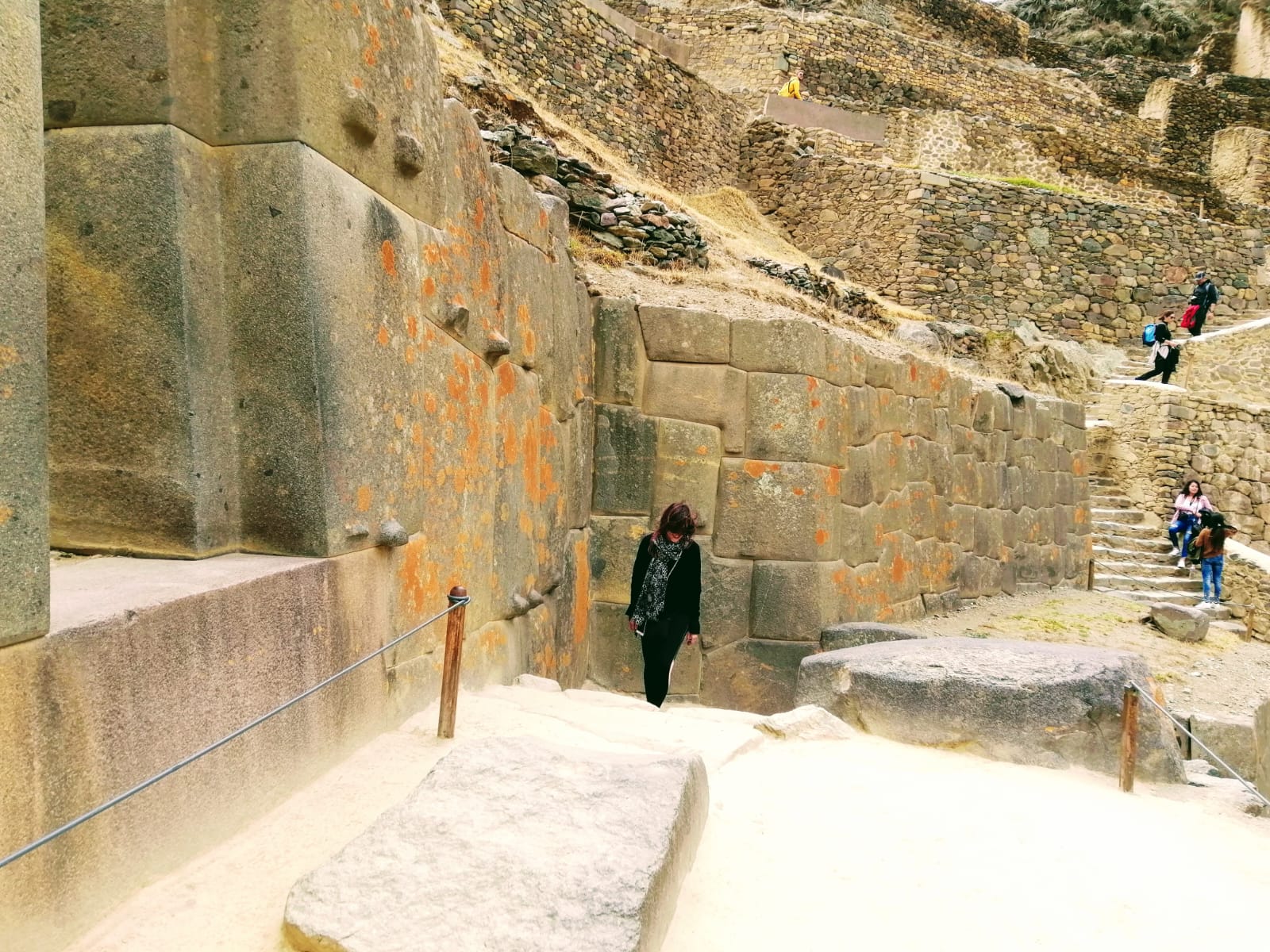
Your guide doesn’t just point at the terraces — they walk you into them. Stone blocks weighing several tons were fitted together without mortar, precise enough to have survived centuries of earthquakes — a puzzle of monumental stone that still leaves engineers and archaeologists amazed. You’ll see the unfinished Temple of the Sun frozen mid-construction, the Temple of Water, and the ceremonial channels the Inca priests once used for their purification rituals. Across the valley, the old storage buildings watch from the opposite hillside, silent witnesses to one of the few times the Incas held off a Spanish assault.
- The Quiet You Didn’t Expect
From here, a short 15-minute ride takes you to Ñaupa Iglesia Choquella — a huaca formed from natural volcanic rock, its trapezoidal chamber covering 36 square meters at the upper part of the site. Reaching it means climbing roughly 200 meters up a stone stairway — a short, manageable warm-up that doubles as a good first taste of altitude if you’re planning the 4-day Inca Trail or another multi-day trek later in your trip. At the shrine’s center, a carved ceremonial stone bears stepped, double-jamb motifs and a Chacana — the stepped cross that represents the Inca vision of three worlds joined into one: Hanan Pacha (the celestial), Kay Pacha (the earthly), and Uku Pacha (the underworld).
To the side of the shrine, a row of rock-cut windows — 7 meters long, spanning what were once 8 trapezoidal double-jamb niches (one has since been lost) — still shows traces of the fine red clay plaster that once finished them. At the cave’s entrance stands what locals call the Inca Portal: a trapezoidal niche carved directly from the mother rock, precise enough that researchers are still studying exactly how it was made.
There’s a good chance you’ll have it almost entirely to yourself. After the fortress, the silence here — and the sense that you’re standing inside a working piece of Inca cosmology — is its own kind of experience.
- Walking Streets the Incas Laid Out
Ollantaytambo isn’t a ruin you visit — it’s a town people still live in, built on the same stone-walled streets and water channels the Incas designed. Walking through with a guide, small details come alive that you’d otherwise just walk past.
The Practical Side
| Quick Facts |
|
| Duration |
5 hours |
| Pace / Difficulty |
Easy — walking only, minimal elevation gain |
| Sites Visited |
Ollantaytambo Archaeological Park (incl. Temple of the Sun and Temple of Water), Ñaupa Iglesia, historic town center |
| Best For |
Arrival day in the Sacred Valley, or any free morning before Machu Picchu |
| Access |
About a 15-minute transport ride from Ollantaytambo, followed by a ~200m stone stairway to Ñaupa Iglesia — a good warm-up for a multi-day trek |
| Group Size |
Small groups |
| Starting Point |
Ollantaytambo town |
Extend the Experience
Have more time in the valley? Pair this with
horseback riding through the Sacred Valley, or go further with the
Sun Gate Tour by Horse, which rides past the Cachiccata quarries and Inca tombs on the other side of the valley.
Continuing on to Machu Picchu from here? Our
2-Day Inca Trail from Ollantaytambo departs from the very same town.
For general trip planning, see
PROMPERÚ’s official guide to the Sacred Valley.
Live It Yourself
Small groups, a guide who’s spent a lifetime in this valley, and just enough time to see the Ollantaytambo most visitors never find. Ready for your own Ollantaytambo experience? Get in touch to check availability for your arrival date.
Ollantaytambo – Inca Ruins
The Ollantaytambo Archaeological Park is a true masterpiece of Inca engineering. The precision with which the builders fitted the stones of the Temple of the Sun — without mortar, and still standing after centuries of earthquakes — continues to amaze archaeologists and engineers today. It’s a monumental stone puzzle, a living display of the technical mastery ancient Peruvians achieved in the Sacred Valley of the Incas.
Your visit covers the most important points of the complex: the main ruins, the Temple of the Sun, the Temple of Water, and the ceremonial channels the Inca priests once used for their purification rituals.
Ollantaytambo – Ñaupa Iglesia
After learning the history of the archaeological park, we’ll take a short 15-minute tourist vehicle ride to this ancient temple in the Sacred Valley. Reaching it means climbing about 200 meters up a stone stairway — a manageable challenge that also works as a great first step toward acclimatizing for the 4-day Inca Trail to Machu Picchu or any other multi-day trek you may have planned. Once you arrive, you’ll understand why this quieter, lesser-known site remains one of the most magical and mysterious corners of the entire valley.