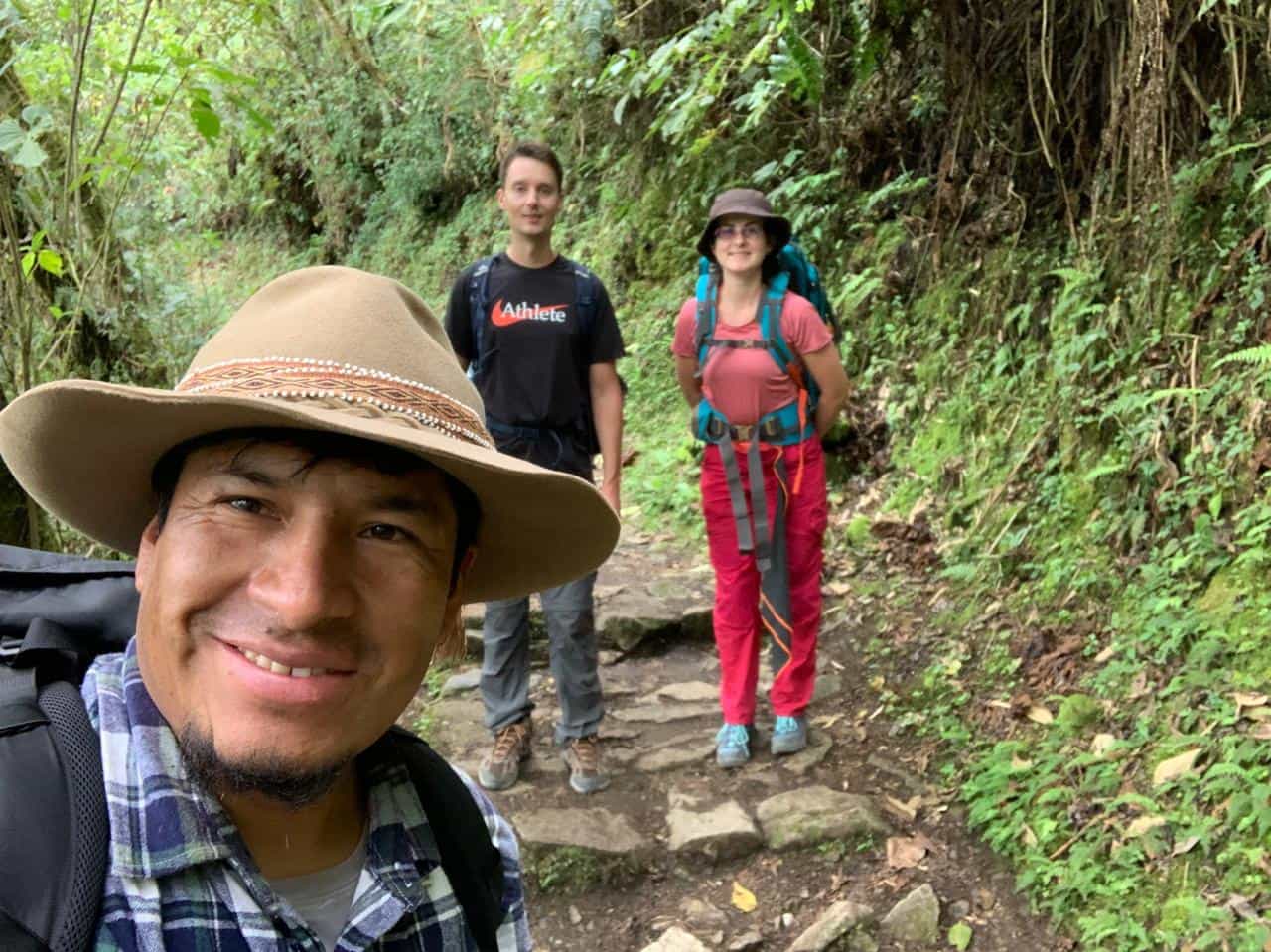
Altitude Sickness on the Inca Trail Tips to Stay Healthy During the Trek
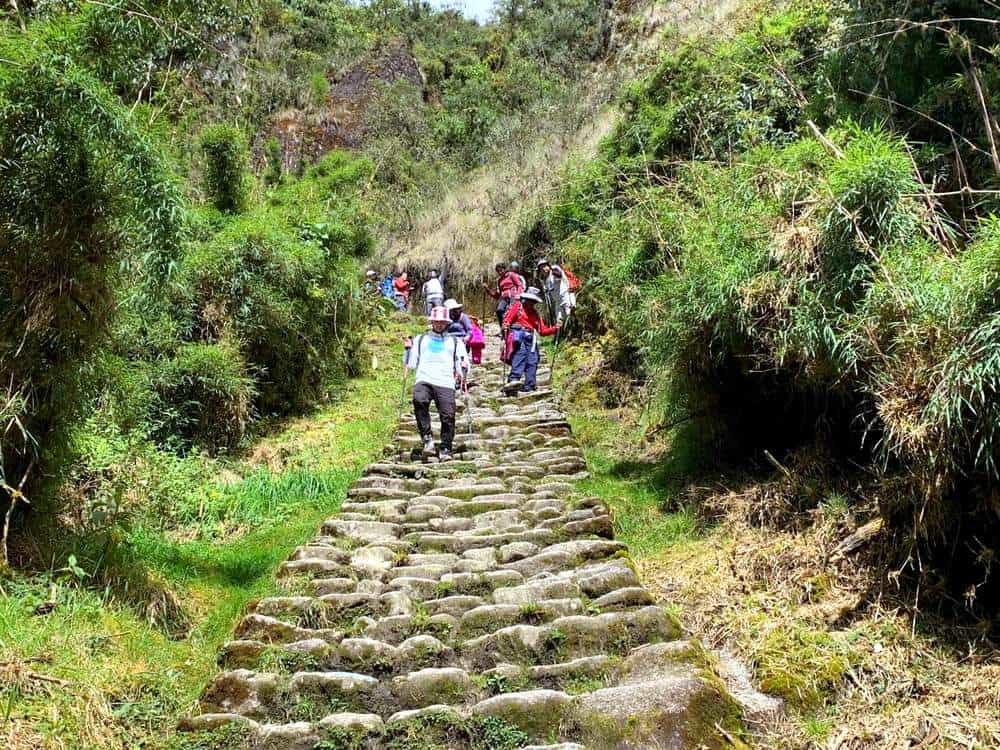
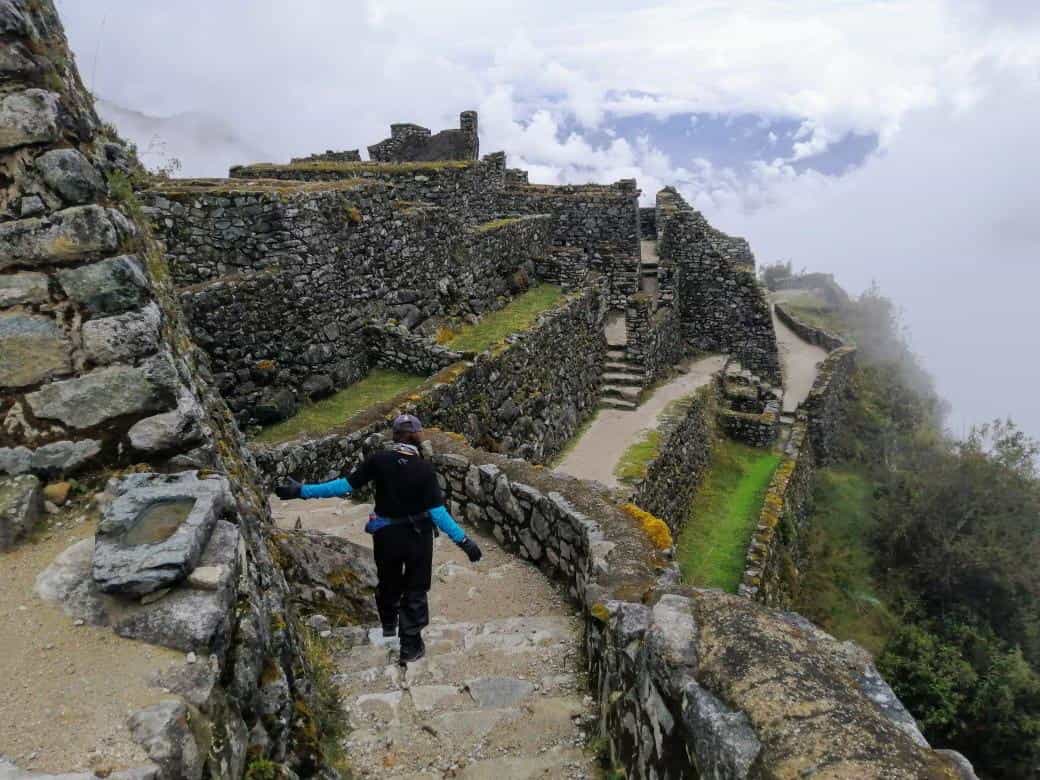
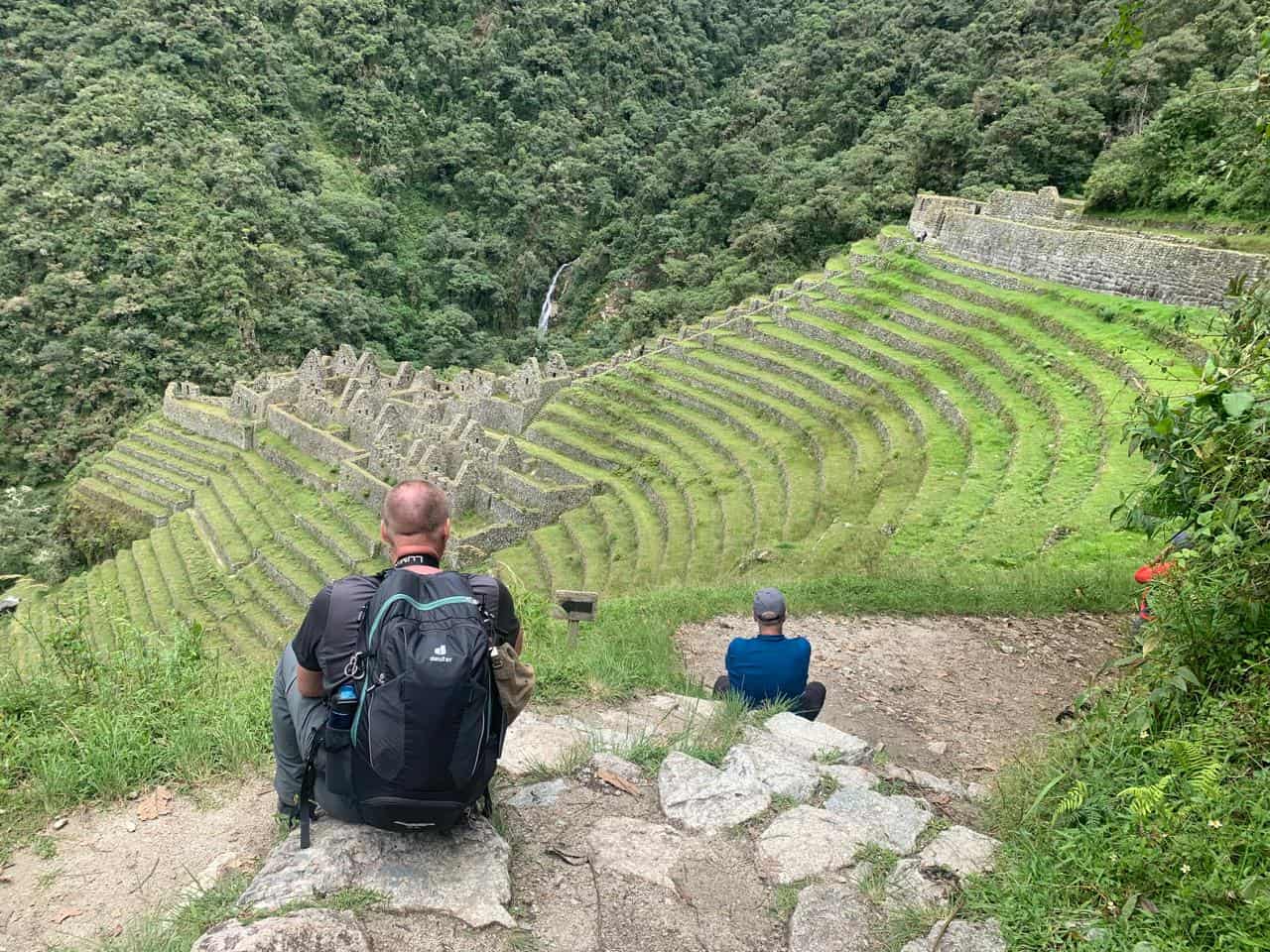
The Inca Trail to Machu Picchu is one of the most iconic hikes in the world. Along the route, hikers walk through ancient stone paths, high mountain passes, cloud forests, and important Inca archaeological sites. Because the trail reaches high elevations, altitude sickness is one of the main concerns for travelers. With proper preparation and acclimatization, most hikers complete the trek safely and comfortably.
Why Altitude Sickness Matters on the Inca Trail.
Altitude sickness occurs when the body needs time to adapt to lower oxygen levels. On the Classic Inca Trail, hikers reach Dead Woman’s Pass (Warmiwañusca) at approximately 4,215 meters (13,828 feet), the highest point of the trek. This makes acclimatization before starting the hike extremely important.
Symptoms can appear during the first days in Cusco or while hiking and may include headache, fatigue, dizziness, nausea, or shortness of breath.
Why Altitude Sickness Matters on the Inca Trail
Altitude sickness occurs when the body needs time to adapt to lower oxygen levels. On the Classic Inca Trail, hikers reach Dead Woman’s Pass (Warmiwañusca) at approximately 4,215 meters (13,828 feet), the highest point of the trek. This makes acclimatization before starting the hike extremely important.
Symptoms can appear during the first days in Cusco or while hiking and may include headache, fatigue, dizziness, nausea, or shortness of breath.
Common Symptoms to Watch For
- Headache or pressure in the head
- Difficulty breathing while walking uphill
- Nausea or loss of appetite
- Fatigue or low energy
- Trouble sleeping at night
Most symptoms are mild and improve with rest and hydration
Essential Tips to Prevent Altitude Sickness on the Inca Trail
Acclimatize Before the Trek.
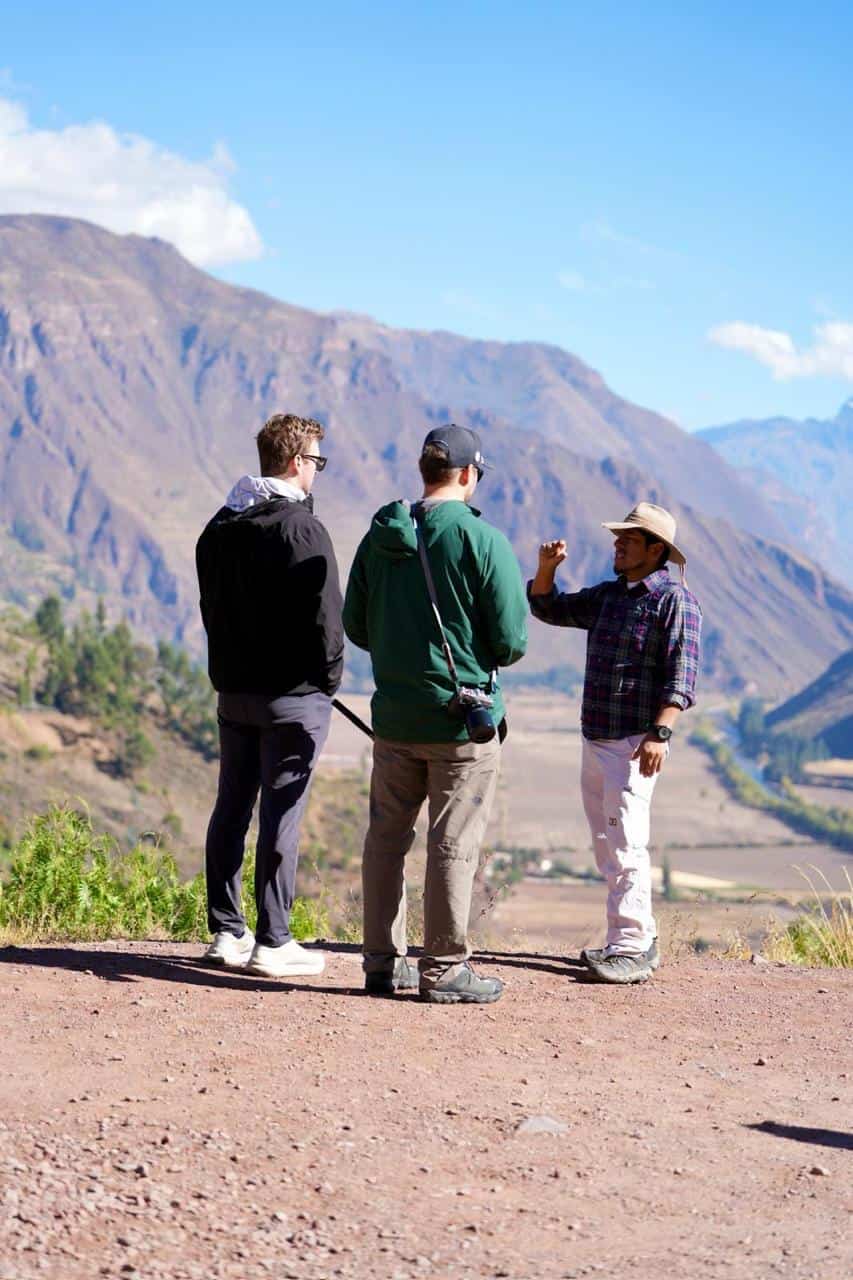
Spend at least 1–2 days in Cusco or the Sacred Valley before starting the Inca Trail. Many hikers prefer the Sacred Valley because it is at a lower altitude and helps the body adapt gradually
- Drink plenty of water and always carry water with you. Staying hydrated is essential for your health and well-being
Walk at a Steady, Slow Pace
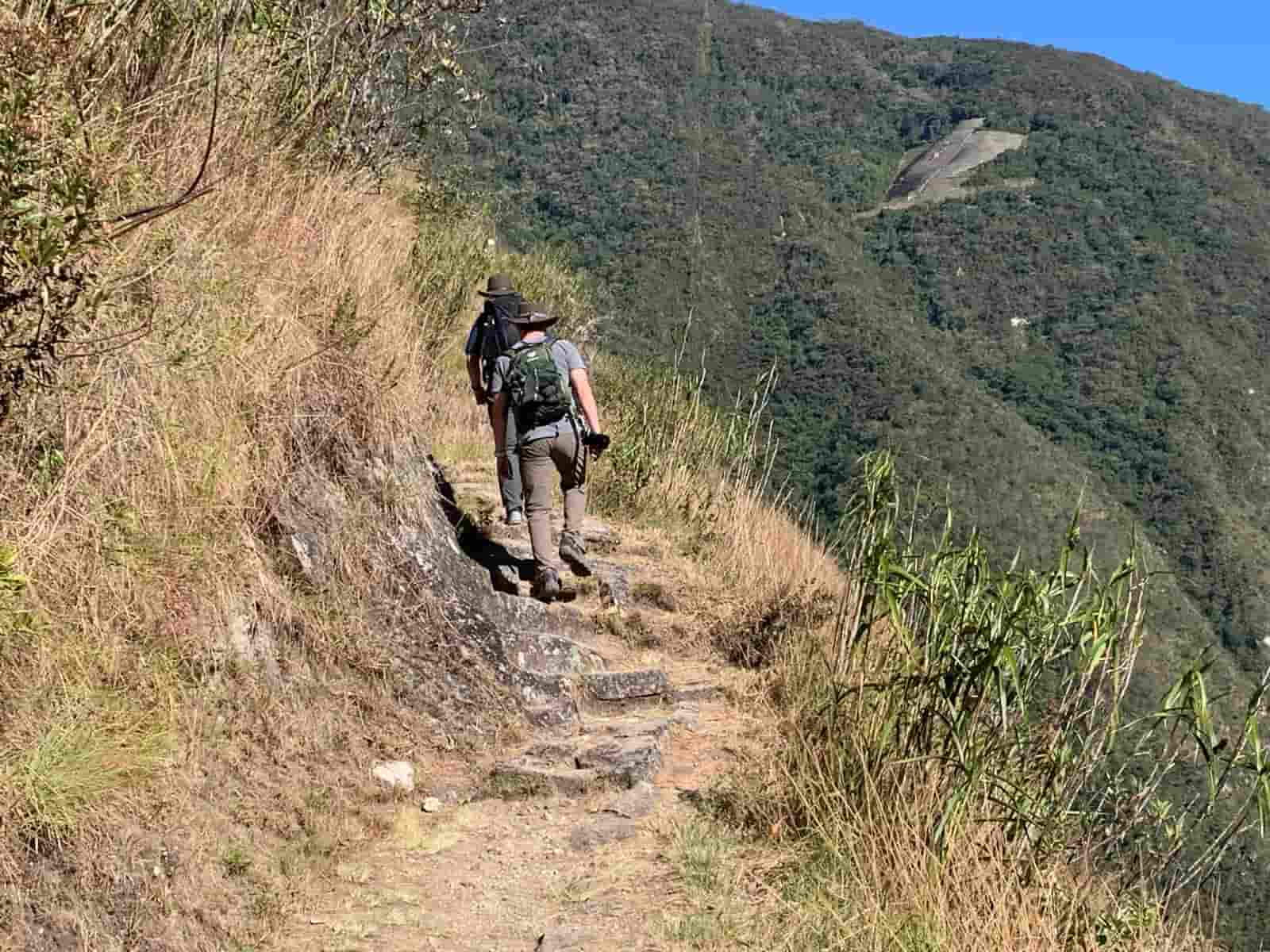
The Inca Trail is not a race. Walking slowly and taking regular breaks helps your body adjust and conserves energy, especially on steep uphill sections.
Stay Hydrated
Drink water frequently throughout the day. Proper hydration is one of the most effective ways to reduce altitude symptoms.
Eat Light and Balanced Meals
Meals provided on the Inca Trail are designed to be nutritious and easy to digest. Carbohydrates are especially helpful for energy at high altitude.
Try Coca Tea
Coca leaves are very helpful for relieving altitude discomfort in the city of Cusco. When you arrive at your hotel, it is common to find a thermos with hot water and coca leaves available for guests. This traditional welcome helps travelers adjust to the altitude, especially after an early arrival.
During the first days, it is best to drink coca tea in the morning and up to around 3:00 pm. After that time, coca tea is not recommended because coca leaves contain natural stimulants similar to caffeine, which may cause difficulty sleeping. Drinking it in moderation and at the right time will help you feel better and rest properly.
Rest and Sleep Well
Getting enough rest is essential. Nights can be cold, so proper clothing and a good sleeping bag will help you sleep better and recover for the next day.
Best Preparation for Inca Trail Hikers
Arriving in Peru a few days early allows your body to adjust naturally. Light walks, short hikes, and relaxed activities before the trek can significantly improve your overall experience on the trail
When to Tell Your Guide
If you feel unwell during the hike, always inform your guide. Professional Inca Trail guides are trained to recognize altitude-related symptoms and will help manage them appropriately.
Final Thoughts
Altitude sickness is a normal concern on the Inca Trail, but it should not stop you from enjoying this once-in-a-lifetime experience. With good preparation, proper acclimatization, and a steady pace, most hikers adapt well and reach Machu Picchu feeling proud and healthy.
Respect the mountains, listen to your body, and enjoy every step of the legendary Inca Trail
- If you have any questions or would like more information, please feel free to let us know. We will be happy to help and answer your questions with no obligation at all