2-Day Inca Trail to Machu Picchu 2027: The Complete Planning Guide Before You Book
Planning the Short Inca Trail to Machu Picchu for 2027? Here’s the essential guide: permit timelines, itinerary, altitude tips, real costs, and the mistakes that cost travelers their preferred dates. Every year, thousands of travelers open their calendars, pick their Machu Picchu dates with confidence, and then discover a hard truth: the trail doesn’t wait for your itinerary — your itinerary has to wait for the trail. Inca Trail permits are limited by the Peruvian government to a fixed number of hikers per day, and for 2027, the countdown to secure your spot has already started.
If a trek to Machu Picchu through the legendary Sun Gate is on your radar for 2027, the 2-Day Inca Trail (the Short Inca Trail) is one of the most efficient ways to experience it — a real trek on original Inca stonework, condensed into a schedule that fits almost any trip. But getting there requires understanding a few things most travelers learn too late. Here’s what actually matters before you book.
The One Thing That Determines Your Entire 2027 Trip: Permits
The Ministry of Culture releases Inca Trail permits for the following year roughly 12 months in advance — historically in the first week of October, though the 2025 release was delayed to November due to system issues. That means 2027 permits are expected to open around October 2026.
Here’s the part that surprises most first-time planners: any availability calendar showing «100% open» for 2027 right now is not showing real availability. It simply means the government hasn’t issued permits yet. Once they do, the most in-demand dates — especially May through September — can sell out within days, sometimes hours.
Only around 200 of the 500 total daily trail permits go to actual trekkers each day, with the rest reserved for guides and support staff. On the Short Inca Trail, that daily allocation is smaller still. If your 2027 dates fall in peak season, registering interest with a licensed operator before the official release lets them submit your reservation the moment permits go live — the single most important step in this entire planning process.
What the 2-Day Inca Trail Actually Involves
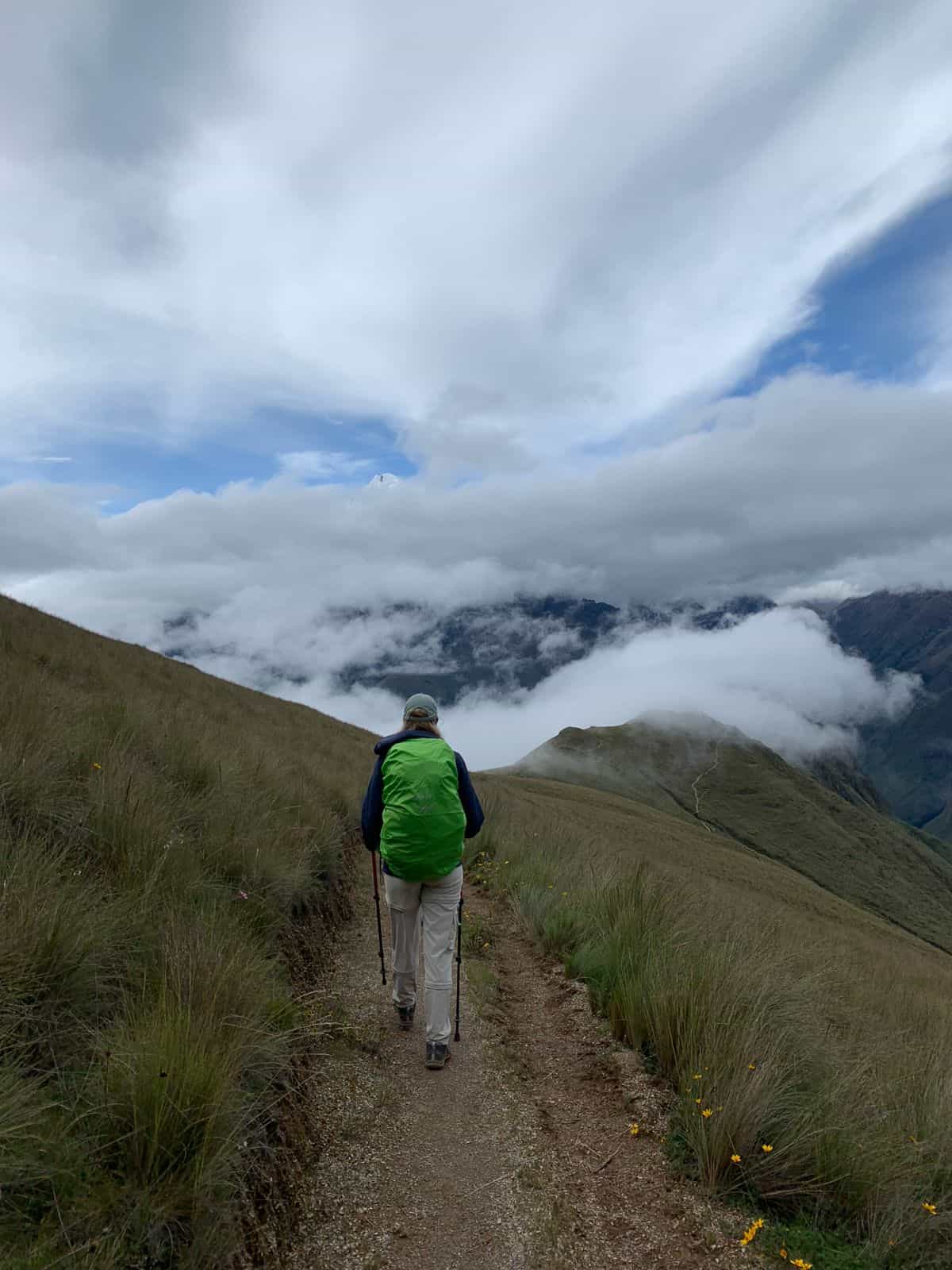
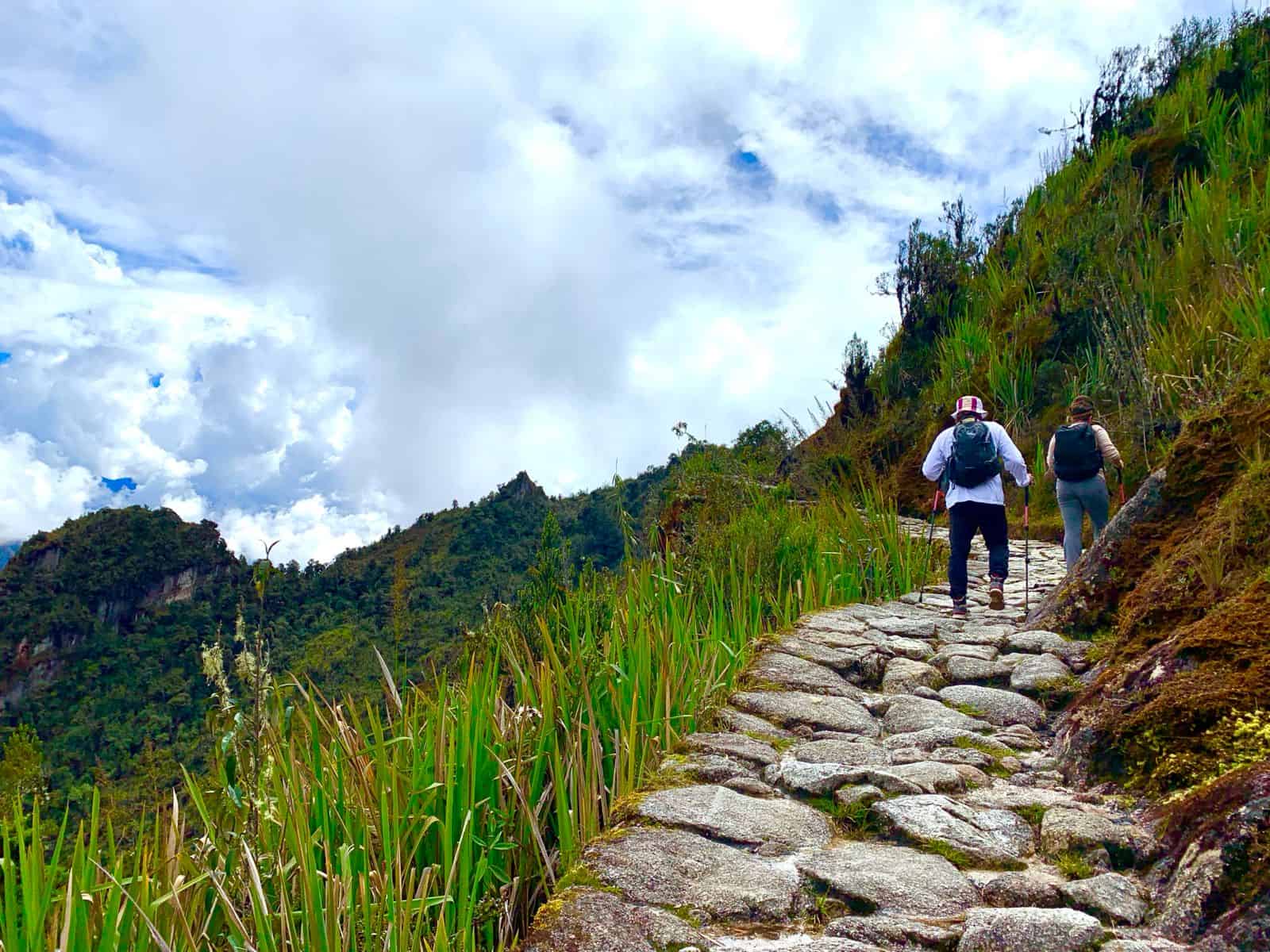
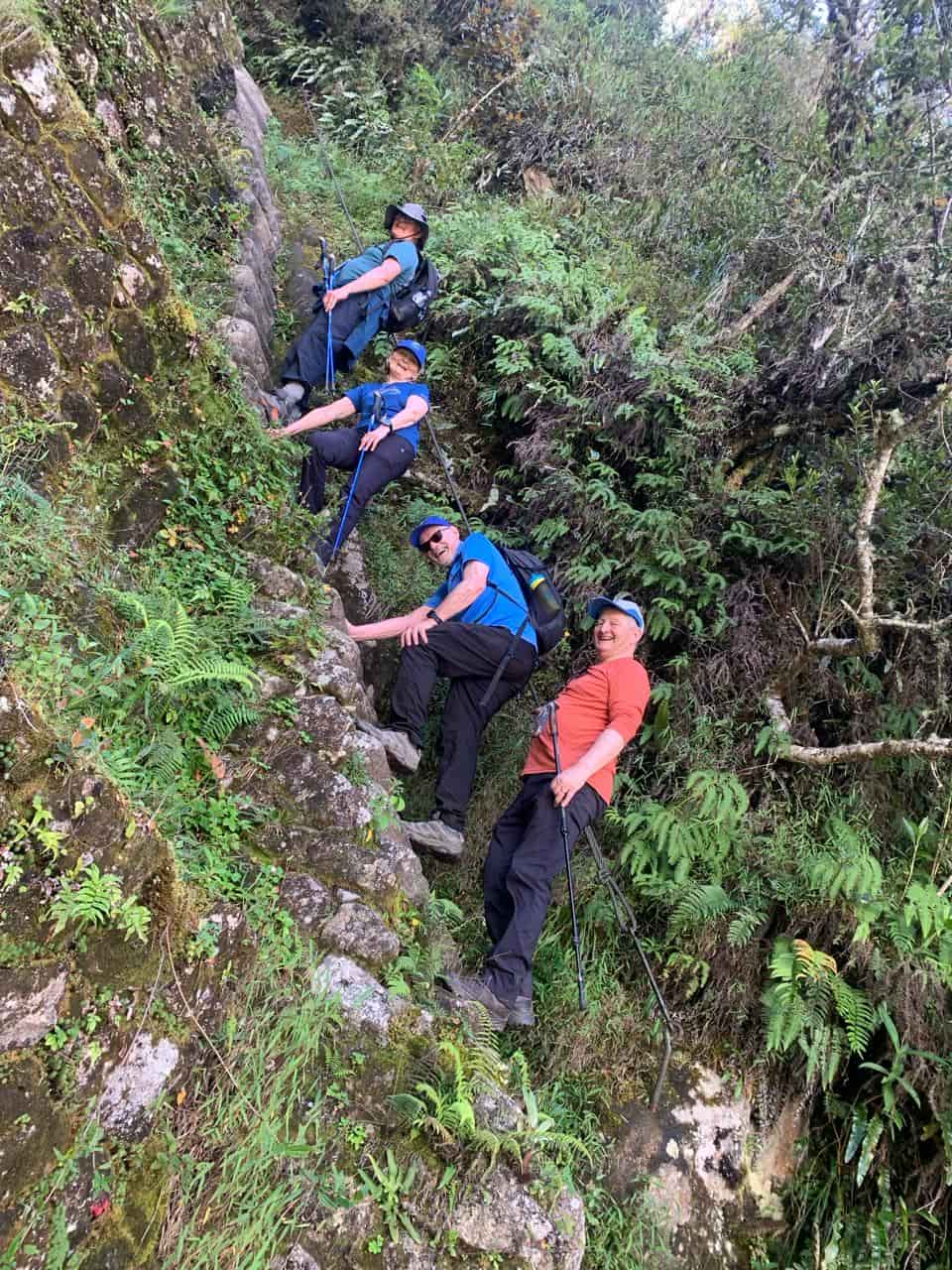
Unlike the Classic 4-day trek, which starts at kilometer 82, the Short Inca Trail begins at Kilometer 104. From there, the route follows original Inca stone paths along the Urubamba River, climbing through cloud forest to the archaeological complex of Wiñay Wayna, then joining the final stretch of the Classic Trail up to Inti Punku, the Sun Gate, before descending into Machu Picchu itself.
It’s not a shortcut in spirit — only in schedule. You walk the same historic stonework, pass through the same cloud forest ecosystems, and earn the same first glimpse of the citadel on foot that 4-day trekkers do. For travelers with limited vacation time or those who want a genuinely challenging trek without a multi-day commitment, it’s often the smarter choice.
Day-by-Day Itinerary
Day 1: Ollantaytambo to Wiñay Wayna
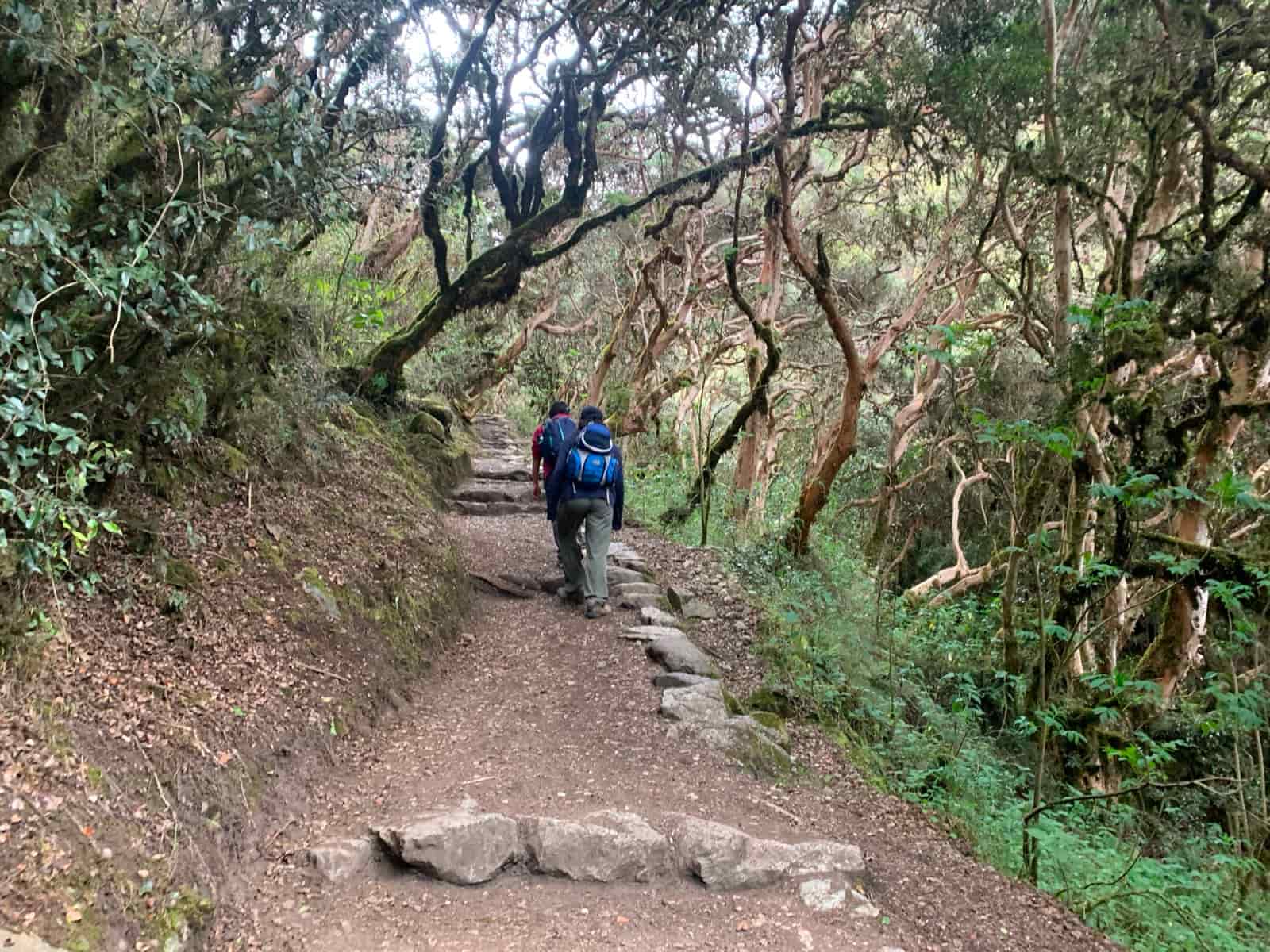
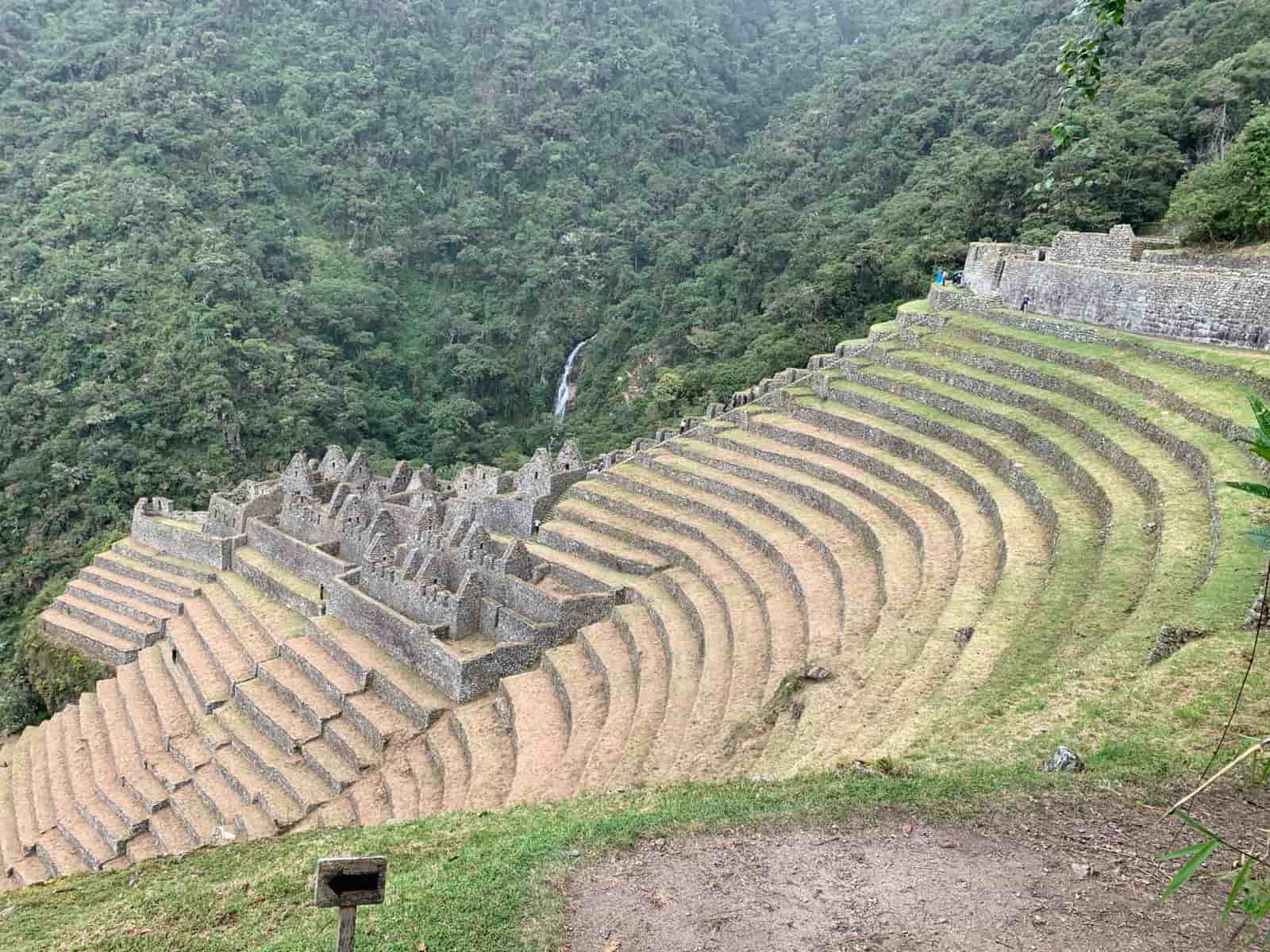
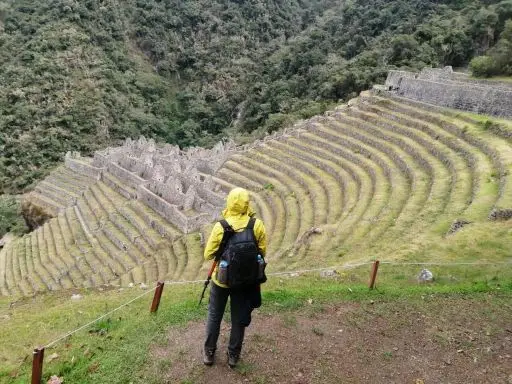
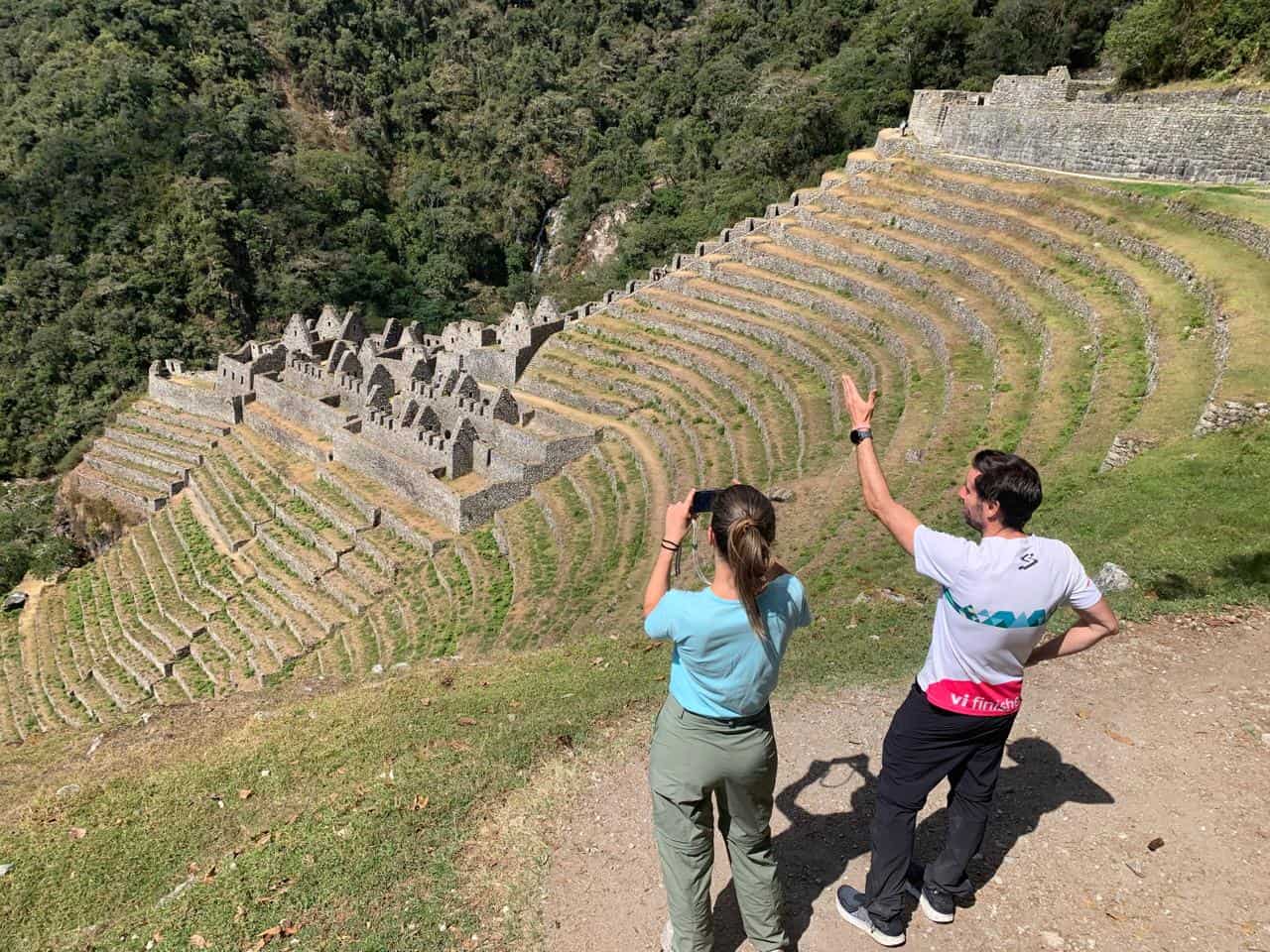
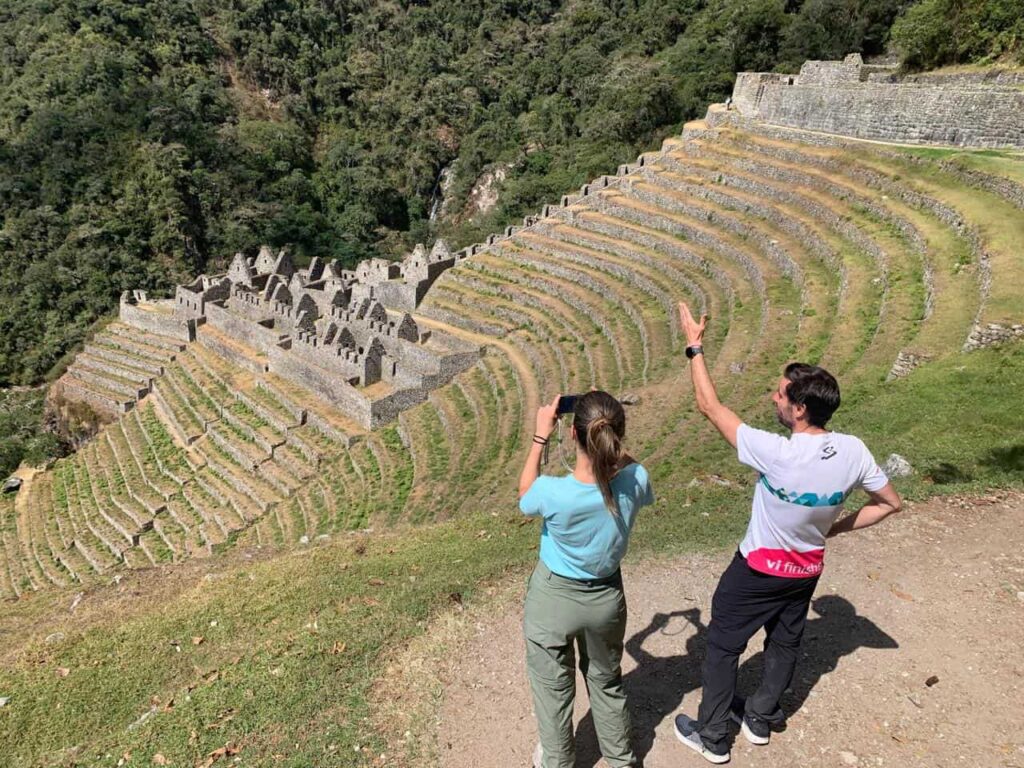
The trek begins with a train ride from Ollantaytambo to Km 104, where a licensed guide manages the permit and passport checkpoint. The trail climbs through subtropical cloud forest past the ceremonial site of Chachabamba, then ascends to Wiñay Wayna — dramatic agricultural terraces cut into a steep mountainside, one of the most photographed sites on the entire route. You’ll spend the night near the site before an early start the next morning.
Day 2: Wiñay Wayna to Machu Picchu
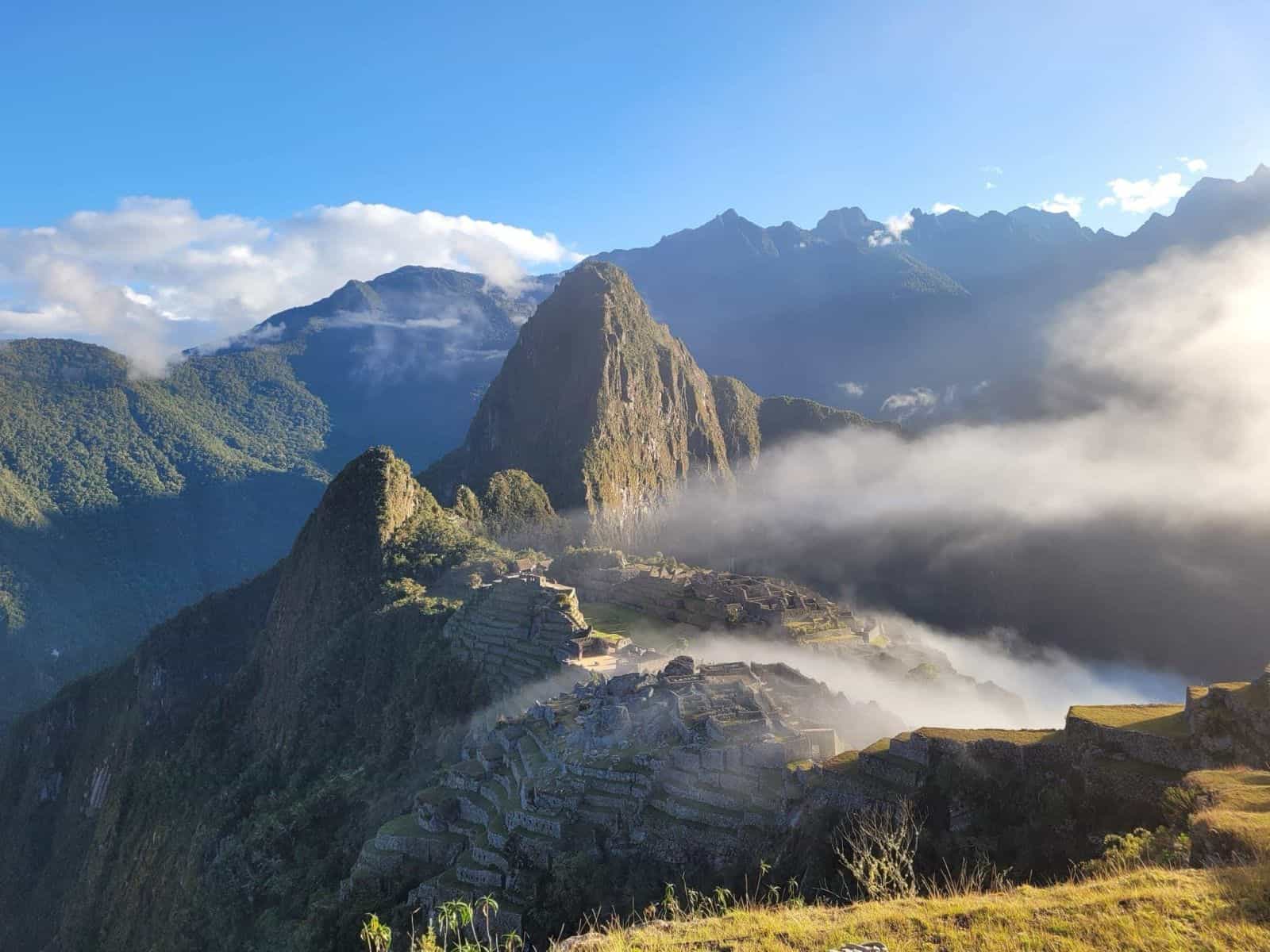
A pre-dawn departure covers the final, relatively gentle stretch of trail to Inti Punku, the Sun Gate — the moment the entire trek has been building toward. Machu Picchu unfolds below, framed by the surrounding peaks, exactly as it appeared to Inca travelers centuries ago. From there, descend into the citadel for a guided tour of the Temple of the Sun, the Intihuatana stone, and the Royal Sector, before heading down to Aguas Calientes for lunch and the return train.
Altitude: The Detail Too Many Travelers Underestimate
Altitude is the number one reason well-prepared trekkers still struggle on this route — and it’s entirely manageable if you plan for it.
- Spend at least 2 days acclimatizing in Cusco (3,400 m / 11,150 ft) or the gentler Sacred Valley (2,800 m) before your trek date.
- Hydrate constantly in the days leading up to the hike, and go easy on alcohol.
- Coca tea and coca leaves are a traditional Andean remedy for mild altitude discomfort, widely available in Cusco.
- Build in buffer days. Arriving in Cusco the same day your trek starts is one of the most common planning mistakes — altitude sickness can derail a trip with zero flexibility built in.
- Talk to your doctor about altitude medication ahead of time if you’ve had issues with elevation before.
- Know the warning signs — persistent headache, nausea, or dizziness at rest — and communicate them to your guide immediately rather than pushing through.
What You’ll See Along the Route
- Chachabamba — a compact ceremonial and agricultural site near the trailhead.
- Wiñay Wayna — steep, dramatic terraced ruins, considered by many the visual highlight of the entire trail.
- Cloud forest biodiversity — orchids, hummingbirds, and, with luck, the vivid Andean cock-of-the-rock.
- Inti Punku, the Sun Gate — the first framed view of Machu Picchu, unchanged since Inca times.
- Machu Picchu itself — the Temple of the Sun, the Intihuatana ritual stone, the Royal Sector, and sweeping views over the Urubamba canyon.
What Will the 2-Day Inca Trail Cost in 2027?
Based on current pricing trends, expect the Short Inca Trail to run roughly $300–500 USD per person with a licensed operator, depending on group size and service level; exact 2027 rates will be confirmed once operators finalize pricing after the permit release. A standard package typically includes:
- Inca Trail permit and entrance fees
- Round-trip train tickets between Ollantaytambo/Cusco and Km 104 / Aguas Calientes
- Licensed bilingual guide
- Camping equipment and meals along the route
- One night accommodation
- Machu Picchu entrance ticket
Many booking systems now sell the Machu Picchu entrance ticket separately from the trail permit, so double-check this is included before comparing quotes — it’s an easy detail to miss, and it changes your total by $50-70 USD.
Three Planning Mistakes That Cost Travelers Their 2027 Dates
1. Waiting for «real» availability before booking. By the time a calendar clearly shows limited spots, the best dates are often already gone. Reserve with a licensed operator before the official release.
2. Not building acclimatization time into the itinerary. Flying into Cusco and starting a trek within 24 hours is a common and avoidable mistake that increases the risk of altitude sickness ruining the trip.
3. Assuming Machu Picchu entry is automatically included. With entrance tickets now often sold separately from trail permits, travelers sometimes arrive expecting citadel access that was never booked. Confirm every component of your package in writing.
How to Lock In Your 2027 Trek
- Register your interest with a licensed operator now, even before permits officially open, so your reservation is first in line.
- Give 2–3 alternative dates to protect your plans if your first choice sells out quickly.
- Build a minimum of 2 acclimatization days into your Cusco or Sacred Valley itinerary.
- Confirm exactly what’s included — permit, entrance ticket, meals, transport — before comparing prices between operators.
- Arrange travel insurance covering high-altitude trekking, which is required for the Inca Trail.
Why This Trek Deserves the Planning Effort
The 2-Day Inca Trail delivers one of South America’s most iconic moments — walking through the Sun Gate as Machu Picchu reveals itself below — without demanding a week of your trip or months of training. But the permit system rewards early planners and quietly punishes everyone else. For 2027, the travelers who get their ideal dates won’t be the ones who plan the fastest once permits open — they’ll be the ones who started before the countdown did.
2027 is closer than it looks on the calendar. Reserve your spot with a licensed operator today, and make sure your dream trek isn’t the one detail you left for later.
👇👇👇👇👇