Inca Trail Packing List: What to Bring (And What to Leave Behind)
Pack wrong for the Inca Trail and you’ll feel it in the first hour — either freezing before sunrise, sweating under too many layers by midday, or carrying weight you didn’t need up a mountain of stone stairs. It happens to more travelers than you’d think: they show up with the wrong boots, no layers for the cold nights, or a suitcase full of things they never touch — and spend four days uncomfortable instead of amazed.
The good news? Packing right for the Inca Trail isn’t about buying everything on a generic hiking checklist. It’s about understanding the trail itself — the freezing pre-dawn starts, the blazing midday sun, the cold camps at night — and packing exactly for that reality, nothing more and nothing less. Here’s exactly what to bring, based on the real conditions of the trail.
Why the Inca Trail Is Different to Pack For
The trail moves through several climate zones in a single day: cold, foggy mornings around 3,000–4,200m, hot exposed sun at midday, and cold nights at camp. Most packing mistakes come from planning for one of these and ignoring the other two.
Clothing
- Base layer (moisture-wicking, not cotton) — cotton stays wet and gets cold fast
- Fleece or light down jacket for camp evenings and early mornings
- Waterproof, breathable rain jacket — even in dry season, afternoon showers happen
- Hiking pants (quick-dry, not jeans)
- Sun hat + warm beanie — you’ll want both in the same day
- Gloves for early starts, especially on the 4-day route
- Moisture-wicking socks — bring 1 extra pair per day, wet feet cause blisters
How Much Can Porters Carry For You?
If you’re on a multi-day trek with porter support, don’t overpack thinking you’re free of weight limits. Regulated porter loads are typically capped around 6–7 kg (13–15 lb) of personal items per traveler — beyond that, you’re carrying it yourself in your daypack. Pack smart, not heavy: this is why the layering system above matters more than bringing «extra just in case.»
Footwear
- Broken-in hiking boots with ankle support — this is non-negotiable. New boots on day one is the #1 rookie mistake we see.
- Camp sandals or lightweight shoes to let your feet breathe at the end of each day
Gear
- Daypack (25–35L) with rain cover
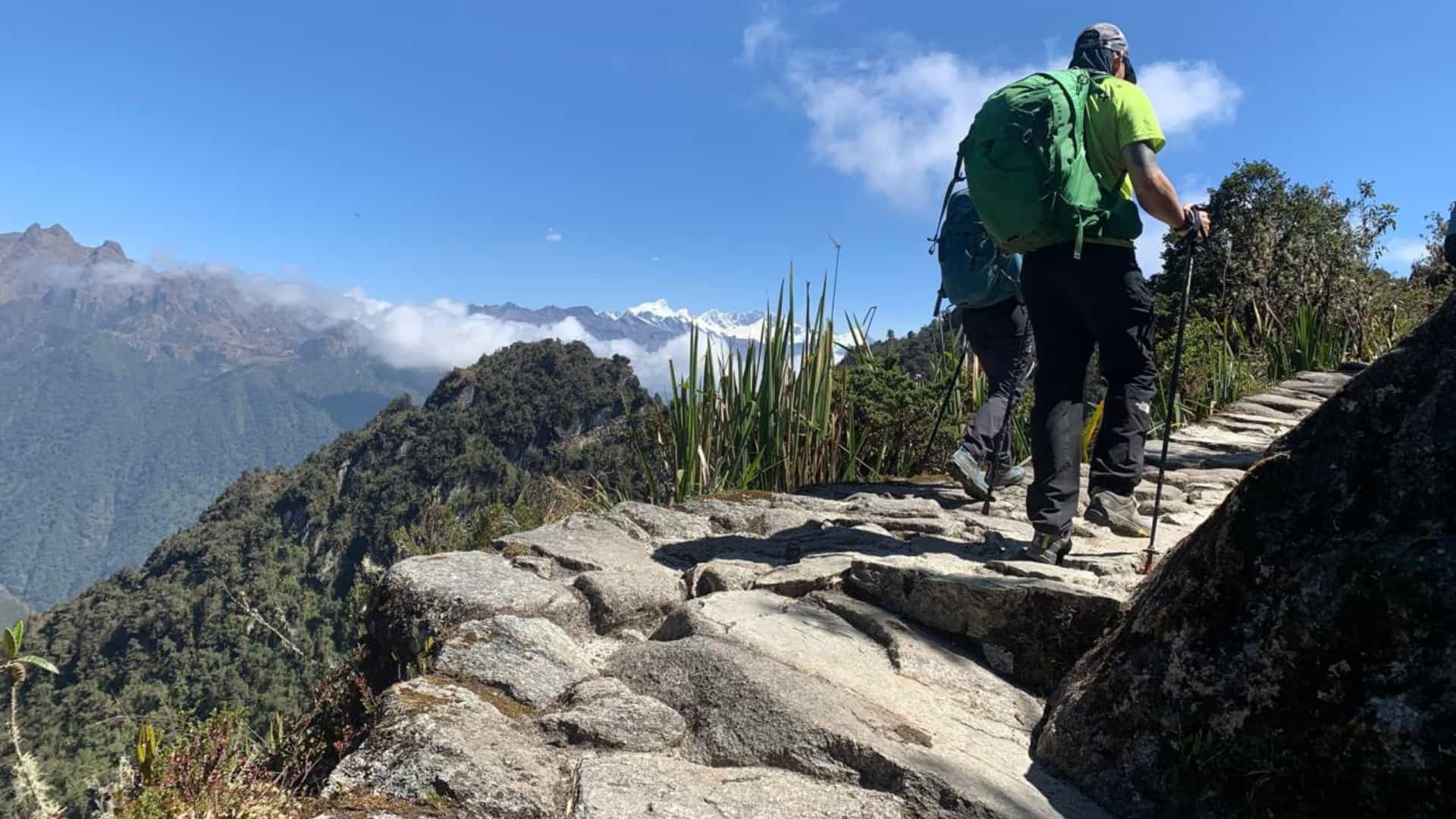
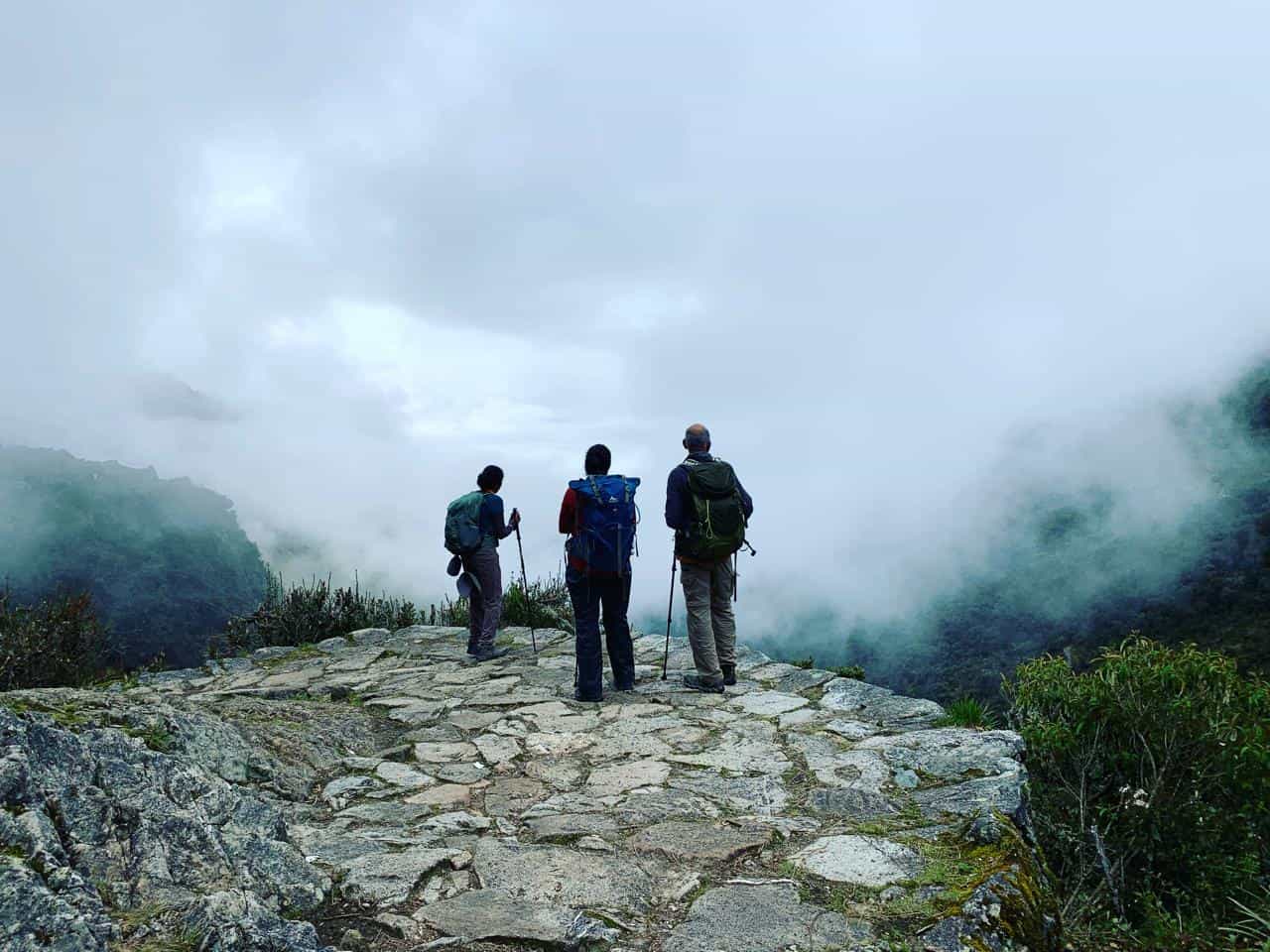
- Trekking poles — highly recommended for the steep stone stairs, especially downhill on tired knees
- Headlamp + extra batteries — for the pre-dawn walk to the Sun Gate
- Reusable water bottle or hydration bladder (2L minimum)
- Water purification tablets or a filter if you’re not on a fully-catered tour
Health & Comfort
- High-SPF sunscreen (SPF 50+) — altitude sun burns fast, even when it’s cool or cloudy
- Lip balm with SPF — often forgotten, and altitude wind chaps lips badly
- Sunglasses with UV protection
- Personal medication in original packaging (easier at checkpoints)
- Basic first-aid kit: blister plasters (moleskin or Compeed work best), ibuprofen or paracetamol, anti-diarrheal tablets, antiseptic wipes
- Altitude sickness medication if prescribed — talk to a doctor before you arrive, and read our guide on how to acclimatize in Cusco before starting the trek
- Insect repellent, especially for the cloud forest sections near Machu Picchu
- Hand sanitizer and wet wipes — showers are limited or nonexistent on camping routes
- Small roll of toilet paper — not always available at trail checkpoints
Photography & Electronics
- Camera or phone with extra battery/power bank — cold temperatures drain batteries fast, and there’s no charging on the trail itself
- Dry bag or ziplock bags to protect electronics from rain and river crossings
- Memory cards — you’ll take more photos than you expect, especially at Machu Picchu itself
What to Do With Your Extra Luggage
You won’t take your full suitcase on the trail. Most hotels in Cusco offer free luggage storage while you trek — just pack a small duffel or daypack with only what you need for the days on the trail, and leave everything else (city clothes, chargers, extra shoes) safely behind.
Laundry on the Trail
On multi-day treks, don’t expect laundry service — you’ll wear the same 2–3 hiking outfits in rotation, which is why moisture-wicking, quick-dry fabrics matter so much (they dry faster if you rinse them at camp, and won’t hold odor as badly as cotton). If you’re doing a shorter route with a hotel night in between, like the Short Inca Trail, some accommodations offer same-day laundry — worth asking when you check in.
Money & Tipping
- Bring cash in Peruvian soles — card payment isn’t available on the trail, and small bills are more useful than large ones
- Tipping porters and guides is customary (though never obligatory) — a general guideline is around 40–70 soles per traveler per day for the trekking crew, split between guide, porters, and cook, but check your specific tour’s recommendations
- ATMs are widely available in Cusco but not once you’re on the trail — withdraw what you need before you leave the city
Documents
- Original passport — a photocopy is NOT accepted at Inca Trail checkpoints, this trips up more travelers than anything else on this list
- Printed or digital permit confirmation — permits for the Inca Trail are limited and regulated by the Peruvian government (see PromPerú for official tourism information), so this document is essential at every checkpoint
- Some cash (soles) for tips and small purchases along the way
Packing Differently by Season
- Dry season (May–September): Cold nights (can drop near freezing), strong daytime sun, dust on the trail. Prioritize warm layers for camp and sun protection during the day.
- Wet season (November–March): Warmer overall, but frequent afternoon rain. A genuinely waterproof (not just water-resistant) jacket and a rain cover for your pack matter more than extra warm layers. Note: the Classic Inca Trail closes every February for maintenance — routes like the Short Inca Trail or Inca Quarry Trail remain open and are a good alternative that time of year.
What You Don’t Need to Buy
Save your money — these are commonly over-packed:
- A full new outdoor wardrobe — one good rain jacket and a couple of layering pieces go further than five different jackets
- Heavy-duty water filtration systems for short, catered treks (check with your tour first — many include purified water)
- A brand-new large backpacking backpack — a daypack is all you carry yourself; porters or tour vehicles handle the rest on most routes
What NOT to Bring
- Jeans or cotton clothing (slow to dry, cold when wet)
- A suitcase or non-hiking bag — porters and buses need soft duffel bags
- Excess electronics — you’ll want your hands and attention on the trail, not your phone
- Heavy, non-broken-in boots
Packing List by Trail Length
Not sure how much gear you actually need? It depends on which route you’re doing:
- Doing the Short Inca Trail (2 days)? You can travel lighter — one night at a hotel in Ollantaytambo means less camping gear to carry.
- Planning the full Inca Quarry Trail or a longer multi-day route? Pack in layers you can add and remove, since you’ll be out longer and exposed to more weather changes.
Quick Checklist Summary
| Category | Item |
|---|---|
| Clothing | Base layer, fleece/down jacket, rain jacket, hiking pants, sun hat, beanie, gloves, wool socks |
| Footwear | Broken-in hiking boots, camp sandals |
| Gear | Daypack, trekking poles, headlamp, water bottle/bladder, purification tablets |
| Health | Sunscreen, lip balm SPF, sunglasses, first-aid kit, altitude medication, insect repellent, hand sanitizer |
| Electronics | Camera/phone, power bank, dry bags, memory cards |
| Documents | Original passport, permit confirmation, cash in soles |
Print or screenshot this table before you leave home — it’s the fastest way to double-check your bag the night before your trek.
Frequently Asked Questions
- Can I rent gear in Cusco instead of buying it? Yes — Cusco has many rental shops for trekking poles, sleeping bags, and even jackets. It’s a good option if you don’t want to buy gear you’ll only use once.
- Do I need a sleeping bag, or is one provided? This depends entirely on your tour operator — some include sleeping bags in the package, others expect you to bring or rent your own. Always confirm this in your tour details before assuming.
- How cold does it actually get at night? On the Classic Inca Trail campsites, nighttime temperatures can drop close to freezing (0°C / 32°F) during dry season, even though days feel warm. Layering is essential.
- Is it okay to bring a phone for photos, or should I bring a separate camera? A modern phone camera is fine for most travelers — the bigger issue is battery life in the cold, so a power bank matters more than the camera itself.
Final Tip
Whatever you pack, test-wear your full outfit — boots included — on a practice hike before you fly to Peru. The Inca Trail is not the place to discover your boots don’t fit right.
Have questions about what’s included in your tour (sleeping bags, tents, meals)? Check your tour details or reach out — we’re happy to help you pack smart, not heavy.