How to Acclimatize in Cusco Before Hiking the Inca Trail
More Inca Trail hikes get cut short by altitude sickness than by bad knees, bad weather, or bad boots combined. Trekkers train for months, break in the perfect boots, pack every layer on the list — and still end up turning back on day one, not because they weren’t fit enough, but because they never gave their body the chance to adjust. And the frustrating part? It’s almost entirely preventable. Learning how to acclimatize in Cusco properly — not just «resting for a day,» but actually following a plan — is the difference between a trek you remember for the views and one you remember for the headache.
Here’s exactly how to acclimatize in Cusco before your trek, step by step, and why skipping this stage is the single most common mistake first-time trekkers make on the Inca Trail.
Why Altitude Hits Harder Than You Expect
Cusco sits at roughly 3,400 meters (11,150 ft) above sea level. Most travelers arrive by plane directly from sea level — Lima, their home country, or a connecting flight — which means your body goes from breathing «normal» air to breathing roughly 30% less oxygen in a matter of hours, with zero time to adjust.
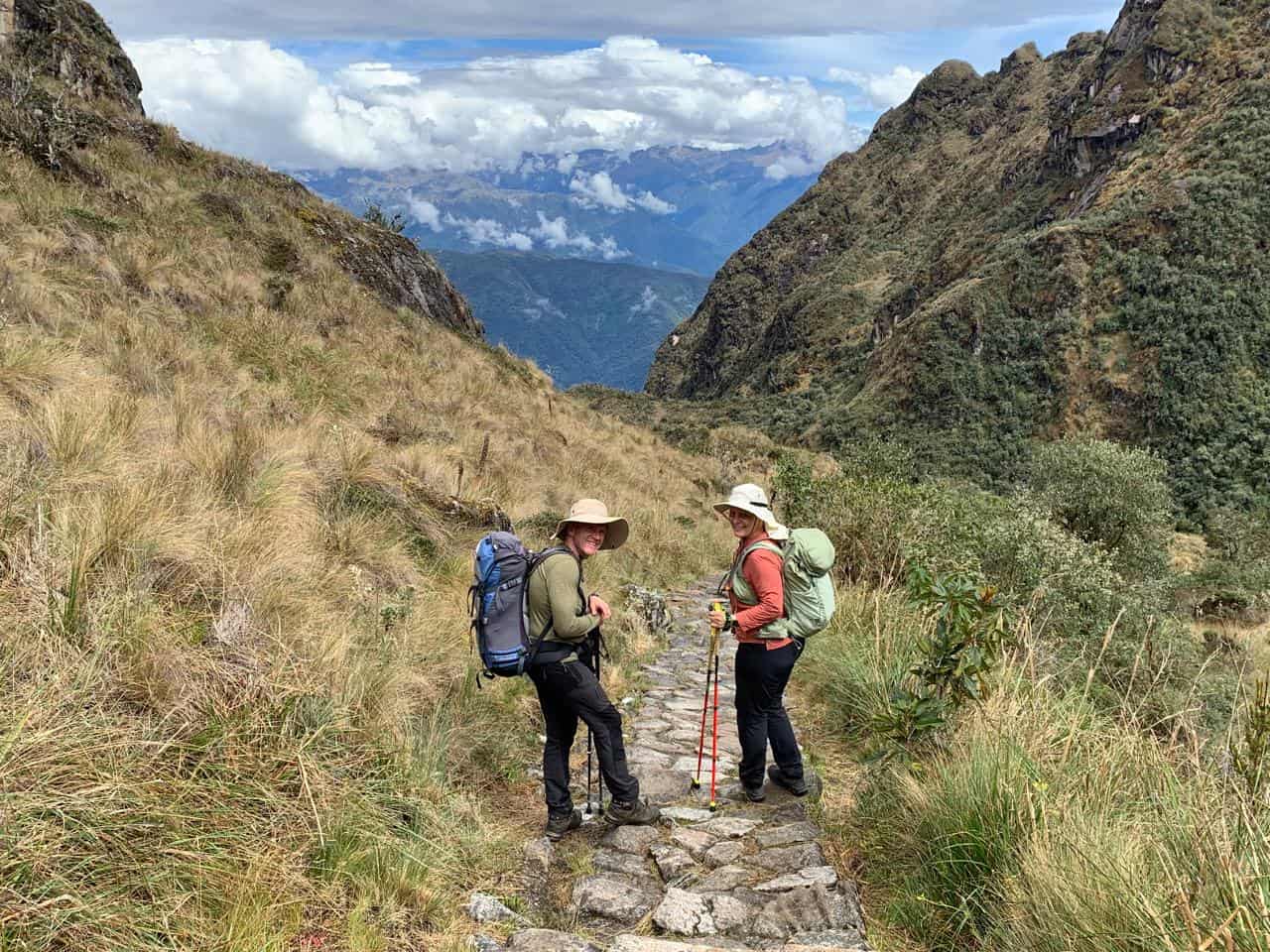
The Inca Trail itself climbs even higher, peaking at Dead Woman’s Pass at 4,215m (13,828 ft) on the classic 4-day route. If your body hasn’t adjusted before you start hiking, that’s where altitude sickness tends to hit hardest — steep climbs, thin air, and a body that’s still catching up.
Altitude sickness isn’t about fitness level. Marathon runners get hit just as often as first-time hikers — it’s a physiological response, not a stamina problem.
Altitude at a Glance
| Location | Altitude |
|---|---|
| Lima (sea level) | 150m (490 ft) |
| Cusco | 3,400m (11,150 ft) |
| Sacred Valley (Ollantaytambo) | 2,800m (9,160 ft) |
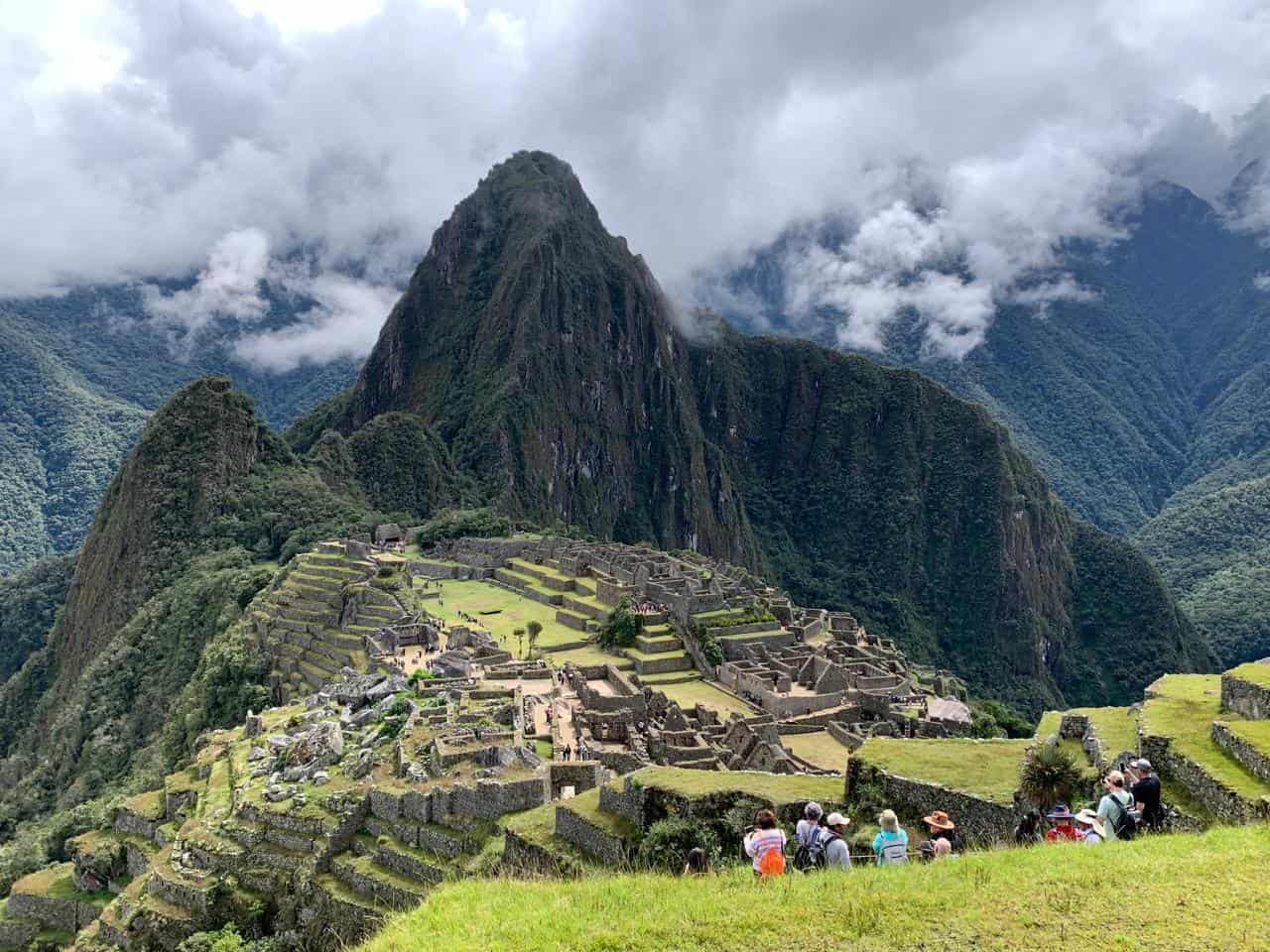
| Machu Picchu | 2,430m (7,970 ft) |
| Dead Woman’s Pass (highest point, Classic Trail) | 4,215m (13,828 ft) |
Notice that Machu Picchu itself is actually lower than Cusco — the hardest altitude adjustment happens before the trek even starts, not during the final descent to the ruins.
The 48-Hour Rule
The single most effective thing you can do: spend at least 2 full days in Cusco before you start any trek. Not 2 nights with one afternoon — 2 full days of your body adjusting at altitude before physical exertion.
This is non-negotiable if you’re doing a multi-day route. It matters less for shorter, lower-effort itineraries, but even for the Short Inca Trail (2 days), arriving a day early to rest in Cusco before your trek noticeably improves how you’ll feel on the trail.
What to Actually Do During Those 2 Days
Do: – Walk, don’t lounge. Light activity (short walks around the Plaza de Armas, gentle exploring) helps your body adjust faster than lying in bed all day. – Hydrate aggressively — more water than feels necessary. Altitude dehydrates you faster than you’ll notice. – Eat light, and eat carbs. Heavy, fatty meals are harder to digest at altitude. – Try coca tea (mate de coca) — a local remedy that genuinely helps with mild symptoms for many travelers. – Sleep as much as your body wants. Fatigue at altitude is real, not laziness.
Don’t: – Drink alcohol in the first 24–48 hours. It dehydrates you and masks early symptoms. – Push into strenuous activity (a full-day hike, running) before your body has adjusted. – Ignore early symptoms — headache, nausea, dizziness, shortness of breath — hoping they’ll pass on their own.
Consider a Lower-Altitude Buffer
If you have the extra days, staying a night or two in the Sacred Valley (Ollantaytambo, Urubamba) before heading to Cusco is a smart move — it sits around 2,800m, meaningfully lower than Cusco, giving your body a gentler ramp-up. Our Sacred Valley + Short Inca Trail itinerary is built exactly around this logic: a full day in the Sacred Valley before the trek begins.
Medication
Some travelers take acetazolamide (Diamox), a prescription medication that helps the body acclimatize faster. It’s not necessary for everyone, but if you have a history of altitude sickness or you’re short on acclimatization days, talk to a travel doctor before your trip — ideally a few weeks in advance, since it works best when started before symptoms appear, not after.
Warning Signs You Shouldn’t Ignore
Mild symptoms (headache, slight nausea, fatigue) are common and usually pass with rest and hydration. But seek help immediately if you experience:
- Severe headache that doesn’t improve with rest
- Confusion or loss of coordination
- Shortness of breath even at rest
- Persistent vomiting
These can be signs of more serious altitude illness (HAPE or HACE), which require descending to lower altitude and medical attention — not pushing through. The CDC’s travel health guidance is a solid resource if you want to understand the medical side in more depth before you travel.
Don’t Skip Travel Insurance
This is easy to overlook when you’re focused on gear and itineraries, but it matters: make sure your travel insurance specifically covers high-altitude trekking and emergency evacuation. Not all standard policies do. If something goes wrong at 4,000m, the difference between a policy that covers helicopter evacuation and one that doesn’t can be enormous — both in cost and in how quickly you get help.
Traveling with Kids or Older Adults
Altitude affects everyone differently, regardless of age — but if you’re traveling with children or older family members, build in extra buffer time. Consider 3 days in Cusco instead of 2, keep the first days genuinely light (no big walking tours), and talk to a doctor beforehand about any pre-existing heart or lung conditions, which can make altitude adjustment harder.
Frequently Asked Questions
- Do I need a prescription for Diamox in Peru? Yes, in most countries Diamox (acetazolamide) requires a prescription. It’s best to arrange this with your doctor before you travel rather than trying to source it in Cusco.
- Is 2 days in Cusco really enough? For most healthy travelers, yes — 2 full days is the generally recommended minimum. If you have more time, 3 days or a Sacred Valley buffer beforehand makes the adjustment even smoother.
- Can I skip acclimatization if I’m very fit? No. Fitness level doesn’t prevent altitude sickness — it’s about how your body processes lower oxygen, not your cardiovascular conditioning.
- Will I definitely get altitude sickness? Not necessarily. Many travelers feel little more than mild breathlessness or a slight headache for a day. But preparing properly dramatically reduces both the odds and the severity if it does happen.
The Bottom Line
Altitude sickness is one of the few parts of Inca Trail preparation that has almost nothing to do with how fit you are — and almost everything to do with how much time you give your body before you start hiking. Two full days in Cusco (or a smart Sacred Valley buffer beforehand) is the highest-leverage thing you can do to make sure your trek to Machu Picchu is remembered for the views, not the headache.
Planning your itinerary? Check out our tours — several are built with a Sacred Valley day included specifically for smoother acclimatization. And don’t forget to check our Inca Trail packing list to make sure you’re geared up for the altitude and weather along the way.