
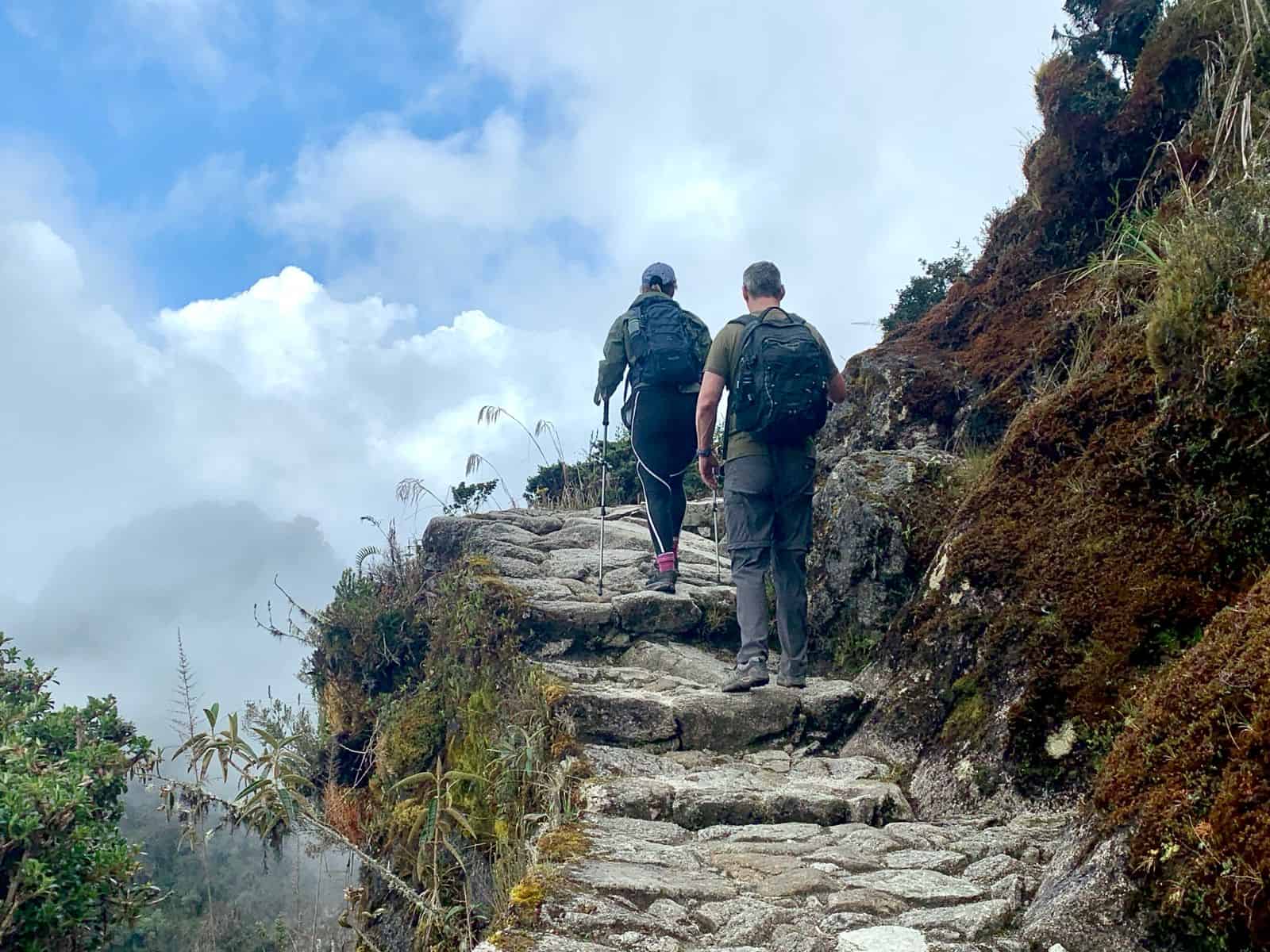
Short Inca Trail vs Classic 4-Day Inca Trail: Which Is Better?
The Classic 4-Day Inca Trail covers about 26 miles (42 km) with high passes up to 13,828 ft (4,215 m) and three nights of camping, making it ideal for adventurous hikers. The Short 2-Day Inca Trail covers roughly 7.5 miles (12 km), reaches around 8,792 ft (2,680 m), and includes a comfortable hotel night—perfect for travelers short on time or wary of altitude.
Dreaming of walking the ancient stone pathways to Machu Picchu? You’re not alone. The Inca Trail is one of the most iconic treks on the planet, and choosing between the Short Inca Trail (2 days) and the Classic Inca Trail (4 days) is the first big decision every traveler faces. Both lead to the same breathtaking destination, but the journeys couldn’t be more different.
This guide breaks down everything you need to know distances, altitudes, hours of hiking, what you’ll see along the way, where you’ll sleep, and how porters and pack animals support each trek. Whether you’re a seasoned hiker or a first-time visitor to South America, you’ll find clear, honest advice to help you pick the right adventure.
Let’s lace up our boots and explore both routes to the legendary Inca Citadel.
What is the Classic 4-Day Inca Trail?
The Classic 4-Day Inca Trail is the original, world-famous route to Machu Picchu. It stretches roughly 26 miles (42 km) through cloud forests, alpine tundra, and dozens of Inca ruins that you can’t reach any other way. Spots are limited to 500 permits per day (including guides and porters), so this trek books out months in advance.
Here’s how the four days typically unfold:
Day 1: Easing into the trail
- Start point: Km 82 (Piscacucho), around 8,923 ft (2,720 m)
- Distance: About 7.5 miles (12 km)
- Hiking time: 5–6 hours
- Highlights: First views of the Llactapata ruins and the Urubamba River valley
The first day is a gentle warm-up. You’ll cross the Vilcanota River and follow a relatively flat path, passing small Andean villages and your first archaeological site, Llactapata.
Day 2: The toughest climb
- Distance: About 7 miles (11 km)
- Hiking time: 6–7 hours
- Highest point: Dead Woman’s Pass (Warmiwañusca), 13,828 ft (4,215 m)
- Highlights: The summit views and the descent into Pacaymayo valley
This is the day that tests your legs and lungs. Dead Woman’s Pass is the highest point of the entire trek, and the altitude is no joke. Take it slow, breathe deeply, and savor the triumph at the top.
Day 3: The most beautiful stretch
- Distance: About 10 miles (16 km)
- Hiking time: 7–8 hours
- Highlights: Runkurakay, Sayacmarca, Phuyupatamarca, and Wiñay Wayna ruins
Many hikers call day three the most stunning. You’ll pass through multiple Inca sites, walk along original stone paths, and wander into misty cloud forest teeming with orchids and hummingbirds.
Day 4: Sunrise at the Sun Gate
- Distance: About 3 miles (5 km)
- Hiking time: 2 hours
- Highlights: Inti Punku (the Sun Gate) and your first view of Machu Picchu
You’ll rise before dawn to reach Inti Punku, the Sun Gate, and watch the sun spill over Machu Picchu below. It’s the kind of moment that stays with you forever.
What is the Short 2-Day Inca Trail?
The Short Inca Trail packs the most scenic final stretch of the classic route into a manageable two-day adventure. It’s perfect for travelers who want to walk the authentic Inca pathways and enter Machu Picchu through the Sun Gate without three nights of camping at high altitude.
Day 1: Hiking to Wiñay Wayna
- Start point: Km 104, around 6,890 ft (2,100 m)
- Distance: About 7.5 miles (12 km)
- Hiking time: 6–7 hours
- Highest point: Around 8,792 ft (2,680 m) near Wiñay Wayna
- Highlights: Chachabamba ruins, Wiñay Wayna terraces, and the Sun Gate
You’ll start at Km 104, cross the Urubamba River, and climb steadily through lush cloud forest. The reward? The spectacular Wiñay Wayna ruins and your first glimpse of Machu Picchu from Inti Punku. That evening, you descend to Aguas Calientes and check into a cozy hotel.
Day 2: Exploring Machu Picchu
- Highlights: A full guided tour of Machu Picchu
After a restful night in a real bed, you’ll take an early bus up to Machu Picchu for a guided tour of the citadel, with time to explore on your own afterward.
Inca Trail comparison: distances, altitudes, and hours
Here’s a quick side-by-side look at both treks:
|
Feature |
Short 2-Day Inca Trail |
Classic 4-Day Inca Trail |
|---|---|---|
|
Total distance |
7.5 miles (12 km) |
26 miles (42 km) |
|
Highest altitude |
8,792 ft (2,680 m) |
13,828 ft (4,215 m) |
|
Days of hiking |
1 full day |
4 days |
|
Nights camping |
0 (hotel in Aguas Calientes 3*) |
3 nights camping |
|
Difficulty |
Moderate |
Challenging |
|
Best for |
Limited time, altitude-sensitive travelers |
Adventurous, fit hikers |
Where do you sleep on each Inca Trail trek?
Where you rest each night is one of the biggest differences between the two routes.
Classic 4-Day Inca Trail: You’ll camp three nights in tents at designated campsites along the trail. Reputable tour operators provide quality tents, sleeping pads, and hot meals cooked by your team. Nights can be cold especially after Dead Woman’s Pass so a warm sleeping bag rated for low temperatures is essential.
Short 2-Day Inca Trail: You’ll spend just one night, and it’s in a comfortable hotel in Aguas Calientes (Machu Picchu Pueblo). Hot showers, a warm bed, and a proper restaurant dinner make this a far gentler option for those who’d rather not camp.
Do porters and horses carry your gear on the Inca Trail?
Great question—and the answer depends on which trail you choose.
On the Classic 4-Day Inca Trail, no horses or pack animals are allowed. Everything is carried by porters (called chaskis), the incredible local team who haul tents, food, and equipment. By Peruvian law, porters’ loads are weight-limited to protect their well-being, so always book with operators who treat their porters ethically. You can hire an extra porter to carry your personal belongings, which many trekkers find well worth the cost.
On the Short 2-Day Inca Trail, the route from Km 104 doesn’t use camping porters in the same way, since there’s no overnight camping. You’ll carry your own daypack with water, snacks, and essentials, while your main luggage stays safely in Cusco or your hotel.
Note that on the approach roads near the trailheads (outside the protected trail itself), some operators use horses to transport supplies, but pack animals are never permitted on the Inca Trail itself.
Which Inca Trail trek should you choose?
Both treks end at the same magical place, so the «better» option really depends on you.
Choose the Classic 4-Day Inca Trail if:
- You’re reasonably fit and want a true multi-day adventure
- Seeing remote ruins like Sayacmarca and Phuyupatamarca matters to you
- You don’t mind camping and cold nights
- You have time to acclimatize to altitude before the trek
Choose the Short 2-Day Inca Trail if:
- You’re short on time or traveling on a tighter schedule
- You’re sensitive to high altitude and prefer a lower-elevation route
- You’d rather sleep in a hotel than a tent
- You still want to walk an authentic Inca path and enter through the Sun Gate
Essential tips for hiking to Machu Picchu
A few insider pointers can make your trek smoother and far more enjoyable:
- Acclimatize first. Spend at least 2–3 days in Cusco (11,150 ft / 3,400 m) before either trek to adjust to the altitude.
- Book permits early. Inca Trail permits sell out months ahead often 4 to 6 months in advance for peak season (May to September).
- Pack smart. Bring layers, a rain jacket, sturdy broken-in boots, sunscreen, a hat, and insect repellent for the cloud forest.
- Stay hydrated. Drink plenty of water and consider coca tea, a local remedy that helps with altitude.
- Tip your porters and guides. They work incredibly hard to make your journey unforgettable.
- Bring cash. You’ll want small bills for tips, snacks, and souvenirs in Aguas Calientes.
- Avoid the rainy season. The trail closes every February for maintenance, and January is wet and slippery.
Frequently asked questions for Inca Trail
How hard is the Classic 4-Day Inca Trail?
The Classic 4-Day Inca Trail is challenging but achievable for most people with moderate fitness. The hardest part is Day 2, climbing to Dead Woman’s Pass at 13,828 ft (4,215 m). The combination of altitude and steep stone steps demands stamina, so training with cardio and hill walks beforehand helps a lot.
Is the Short Inca Trail worth it?
Yes the Short 2-Day Inca Trail is absolutely worth it for travelers with limited time or altitude concerns. You still hike the original Inca stone paths, visit the stunning Wiñay Wayna ruins, and enter Machu Picchu through the Sun Gate (Inti Punku), just like classic trekkers, but with a comfortable hotel night instead of camping.
How much altitude does each Inca Trail reach?
The Classic 4-Day Inca Trail tops out at Dead Woman’s Pass, 13,828 ft (4,215 m). The Short 2-Day Inca Trail reaches a gentler maximum of about 8,792 ft (2,680 m) near Wiñay Wayna, making it far easier for those sensitive to high altitude.
Do I need to book the Inca Trail in advance?
Absolutely. Only 500 permits per day are issued for the Classic Inca Trail (including porters and guides), and they sell out 4 to 6 months ahead during peak season. The Short Inca Trail also requires permits, so book both as early as possible to secure your dates.
When is the best time to hike the Inca Trail?
The dry season from May to September offers the clearest skies and most reliable trail conditions, making it the most popular time. The trail closes every February for maintenance, and the rainy months from December to March can be muddy and slippery.
Can I hike the Inca Trail without a guide?
No. Both the Classic and Short Inca Trails require you to book through a licensed tour operator with a certified guide. Independent trekking is not permitted, which helps protect the trail and its archaeological sites.
Ready to walk the path of the Incas?
Both the Short and Classic Inca Trails deliver a once-in-a-lifetime journey to Machu Picchu the only question is which adventure fits you best. If you crave a full immersion into Andean landscapes and hidden ruins, the Classic 4-Day Inca Trail is calling. If time or altitude is a concern, the Short 2-Day Inca Trail delivers all the magic in a gentler package.
Whichever you choose, planning ahead is the key to an unforgettable trek. Secure your permits early, train a little, acclimatize in Cusco, and get ready for the experience of a lifetime. Your path to the Inca Citadel awaits let’s make your dream trip to Machu Picchu a reality.
Book Your Inca Trail Adventure – Don’t Miss the Journey of a Lifetime


