
Machu Picchu Circuit 1 Vs. Circuit 2: Which One Is Right for You?
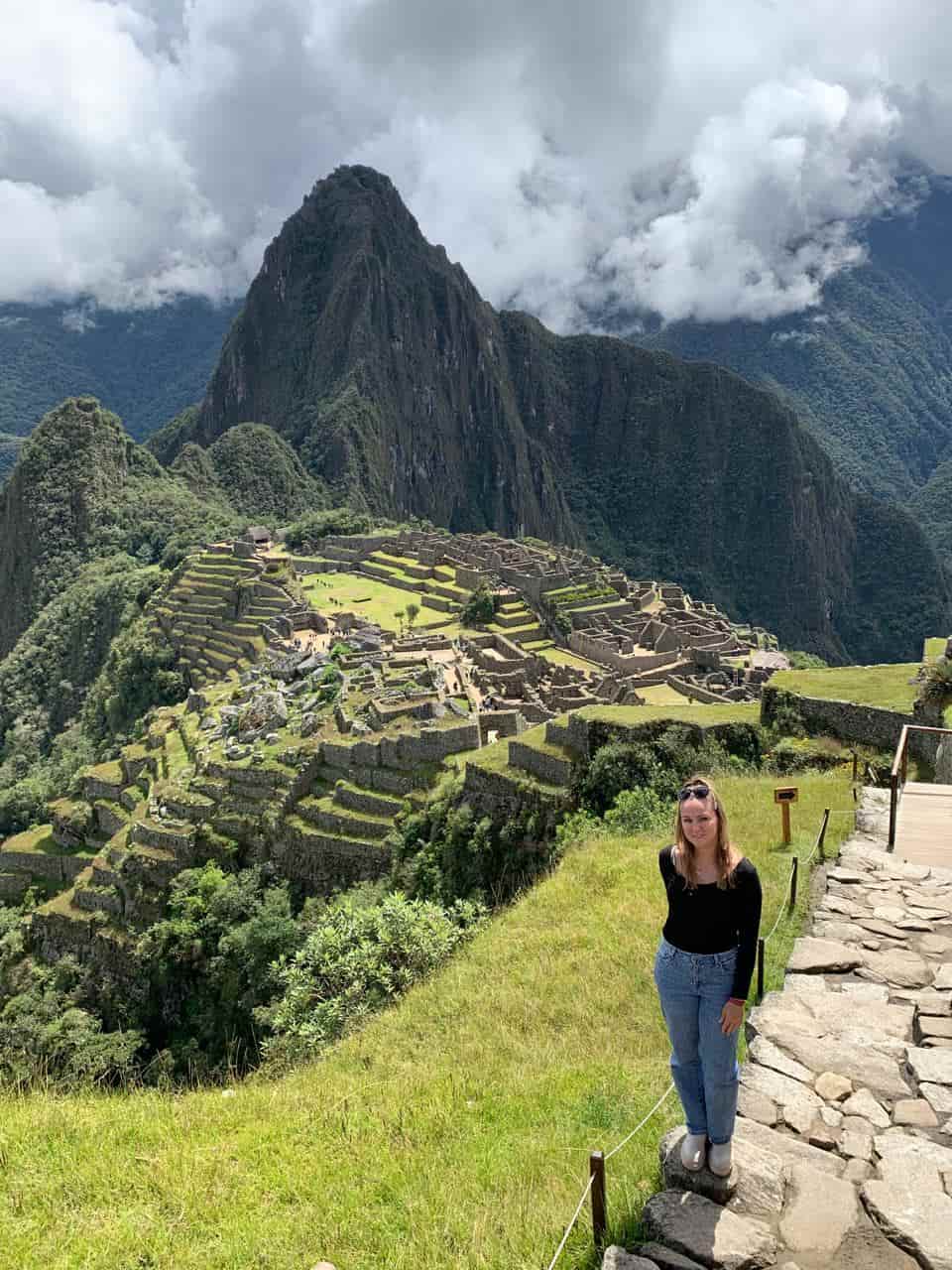
Machu Picchu offers two main visitor circuits. Circuit 1 is a high-elevation route, ideal for travelers seeking the most spectacular panoramic views and the Classic postcard photo of Machu Picchu. Circuit 2 is a more complete route that allows visitors to explore many of the citadel’s most important temples and archaeological areas.
If you are looking for the ultimate arrival experience, the Short Inca Trail to Machu Picchu is the perfect option. This historic hike leads you through the famous Sun Gate (Inti Punku) and directly to Circuit 1, where you can enjoy the most breathtaking views and capture unforgettable photos of the Lost City of the Incas.
Machu Picchu is one of those destinations that genuinely defies expectations no photo quite captures the scale of the citadel rising from the mist, or the sensation of standing at 2,430 meters above sea level surrounded by cloud forest. But here’s something most first-time visitors don’t realize until they’re booking their tickets: you don’t just buy a ticket to Machu Picchu. You choose a circuit.
Since Peru’s Ministry of Culture restructured visitor access to protect the site, Machu Picchu now operates on a timed-entry, circuit-based system. Every visitor must select either Circuit 1 or Circuit 2 (or a combination, depending on ticket type) before arriving. Choosing the wrong one can mean missing your dream shot, struggling with unexpected elevation, or feeling like you’ve left the citadel having only seen half of it.
This guide breaks down exactly what sets Circuit 1 and Circuit 2 apart—where each route takes you, how long each one takes, the best spots for photography, what altitude means for your visit, and whether a guide is worth it. By the end, you’ll know precisely which circuit matches your travel style.
What Is the Circuit System at Machu Picchu?
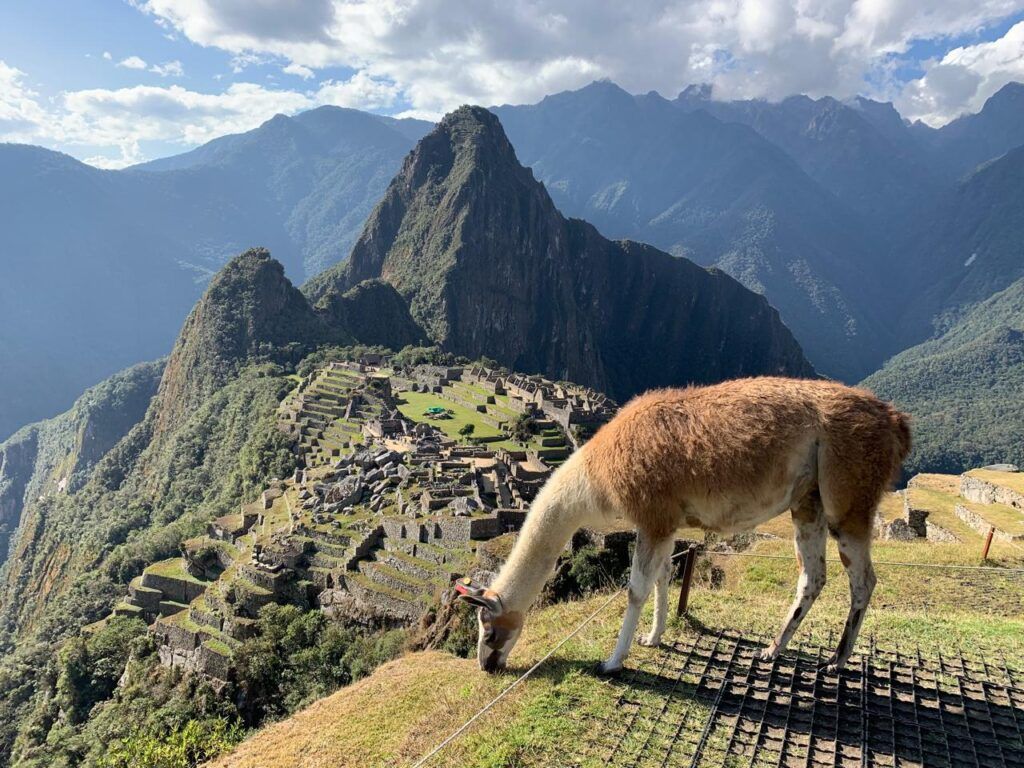
Peru’s government introduced a mandatory circuit system at Machu Picchu to manage the flow of the roughly 3,000 to 4,500 visitors permitted per day. Rather than wandering freely, all visitors follow a designated one-way route based on their ticket type and entry time slot.
There are currently four circuit options available, but Circuit 1 and Circuit 2 are the most commonly selected—and the most debated. Each covers different sections of the citadel, at different elevations, with a distinctly different experience. Some ticket types allow you to combine both circuits, which is worth considering if you have enough time and physical stamina.
What Does Circuit 1 Cover at Machu Picchu?
Circuit 1 is the high route literally. It takes visitors along the upper terraces and elevated platforms of the citadel, offering sweeping panoramic views of the entire Inca complex below. This is the circuit that produces the iconic, postcard-worthy shots you’ve seen a thousand times online: the full citadel framed by Huayna Picchu mountain in the background.
Key stops on Circuit 1:
- The Guardian’s Hut (guardian’s house ): The most photographed viewpoint in all of Machu Picchu. Perched on the upper agricultural terraces, this is your best spot for a wide, unobstructed shot of the entire citadel.
- The Royal Tomb: Located directly beneath the Temple of the Sun, this carved stone chamber is a testament to Inca religious beliefs.
- Upper Agricultural Terraces: Layers of Inca terracing that served both agricultural and ceremonial purposes.
- The Sun Gate (Inti Punku): If you hike the Inca Trail, this is where you first glimpse Machu Picchu. On Circuit 1, you’ll pass through this iconic stone gateway.
- The Inca Bridge: A narrow cliffside path leading to a retractable wooden drawbridge an extraordinary feat of Inca engineering.
Estimated exploration time: 2.5 to 3.5 hours, depending on your pace and how long you linger at viewpoints.
Best for: Photographers, hikers, first-time visitors who want the classic panoramic view, and those with a reasonable level of fitness.
What Does Circuit 2 Cover at Machu Picchu?
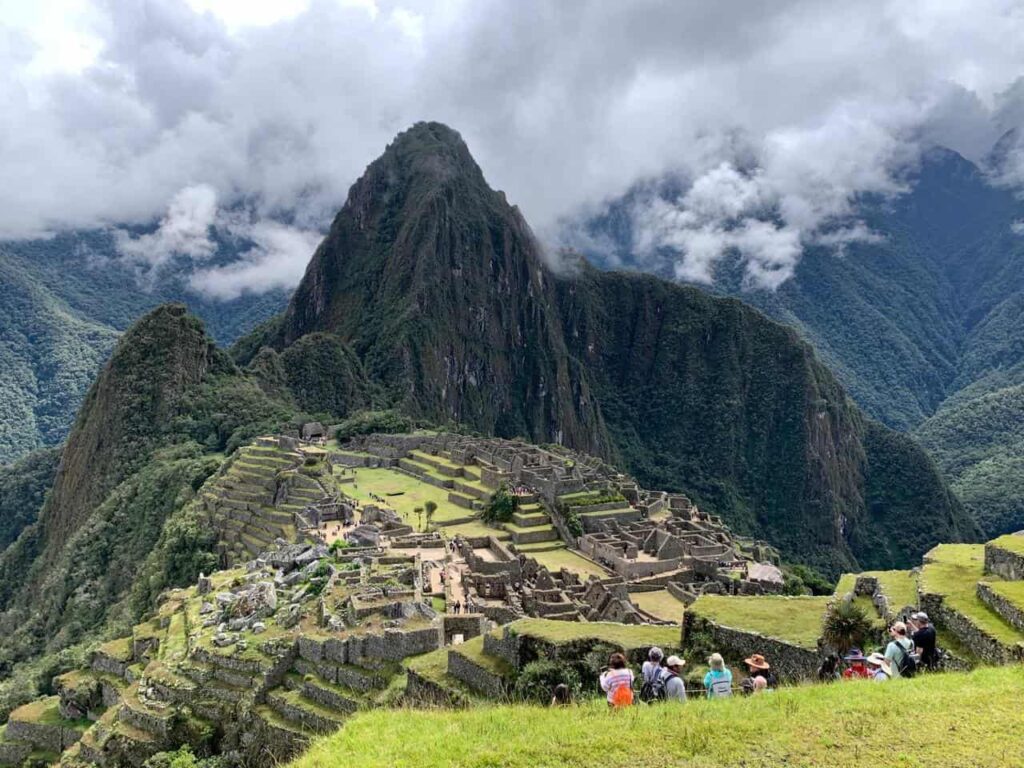
Circuit 2 runs through the heart of the citadel at a lower elevation, taking you directly through Machu Picchu’s most significant architectural zones. If Circuit 1 gives you the view of the citadel, Circuit 2 puts you inside it.
Key stops on Circuit 2:
- The Temple of the Sun: One of the most sacred Inca structures near the sun temple, aligned with the solstices. The stonework here is among the finest at the entire site.
- The Main Plaza: The vast open square at the center of Machu Picchu, where ceremonial gatherings once took place.
- The Temple of the Three Windows: A stunning example of Inca architecture, with three trapezoidal windows that frame views of the surrounding mountains.
- The Intihuatana Stone: A carved granite pillar believed to function as an astronomical calendar—and one of the few Intihuatana stones still intact in the Inca world.
- The Industrial Sector and Residential Zone: A fascinating look at everyday Inca life, from workshops to living quarters.
Estimated exploration time: 2 to 3 hours at a comfortable pace.
Best for: History enthusiasts, travelers with mobility considerations, those visiting with children, and anyone who wants an in-depth architectural experience.
Circuit 1 vs. Circuit 2: Photography Tips for Each Route
Photography is one of the top reasons visitors debate between the two circuits, so let’s be direct about what you’ll get from each.
Photography on Circuit 1
Circuit 1 is where you’ll find the most dramatic, wide-angle shots of Machu Picchu. The Guardian’s Hut offers the highest vantage point accessible on this circuit, and it’s where most of the famous citadel images are taken. Arrive at the first entry slot (6:00 AM) if you want to catch the morning mist rolling over the ruins—this lighting is transformative and nearly impossible to replicate later in the day.
Photography tips for Circuit 1:
- Aim to be at the Guardian’s Hut within 15–20 minutes of entering the site.
- Shoot between 6:00 AM and 8:00 AM for the best light and fewest crowds in frame.
- A wide-angle lens (16–24mm) is ideal for capturing the full citadel panorama.
- The Sun Gate offers a softer, more intimate shot of the citadel from a distance—worth the extra 45-minute round trip hike.
Photography on Circuit 2
Circuit 2 offers close-up, detail-oriented photography. The Temple of the Three Windows, the Intihuatana Stone, and the Temple of the Sun provide extraordinary subjects for architecture and cultural photography. However, the close proximity to structures means wide panoramic shots are limited here.
Photography tips for Circuit 2:
- The best light inside the temples hits around mid-morning (8:30 AM–10:00 AM).
- A 35mm or 50mm lens works well for architectural detail shots.
- The Main Plaza is large enough to frame a broader scene with Huayna Picchu as a backdrop.
Altitude at Machu Picchu: What You Need to Know Before You Go
Machu Picchu sits at approximately 2,430 meters (7,970 feet) above sea level. While this is significantly lower than Cusco (3,400 meters), altitude sickness known locally as soroche can still affect visitors, particularly those arriving directly from sea-level destinations.
Circuit 1 climbs higher than Circuit 2, which matters if you’re sensitive to altitude. The Guardian’s Hut and the upper terraces add additional elevation gain, so the physical demand is noticeably greater.
Altitude tips for Machu Picchu visitors:
- Acclimatize in Cusco first. Spend at least 2 nights in Cusco before heading to Machu Picchu. This is the single most effective strategy for avoiding altitude sickness.
- Hydrate constantly. Dehydration accelerates altitude symptoms. Drink at least 2–3 liters of water per day starting the day before your visit.
- Move slowly. Rushing up steep pathways triggers symptoms faster. Take your time on Circuit 1’s ascent.
- Try coca tea. Widely available throughout the Sacred Valley and Aguas Calientes, coca tea is a traditional Andean remedy for altitude discomfort.
- Consult your doctor. If you have a history of altitude sensitivity, ask about acetazolamide (Diamox) before your trip.
Should You Hire a Guide at Machu Picchu?
As of recent regulations, all visitors to Machu Picchu are required to be accompanied by a licensed guide. This rule was reinforced by the Peruvian Ministry of Culture to protect the site and ensure visitor safety. However, enforcement has varied, and some visitors navigate the circuits independently.
Here’s an honest breakdown:
With a guide:
- You’ll understand the significance of what you’re seeing. Without context, many structures look like piles of beautifully arranged stone.
- Licensed guides at Machu Picchu are knowledgeable, often trained historians or archaeologists.
- A guide manages your pacing, ensuring you make the most of your timed entry slot.
- Cost: A certified guide typically costs between $25–$60 USD for a 2–3 hour tour, depending on group size and language.
Without a guide:
- You’ll have more flexibility to linger at photography spots without feeling rushed.
- Audio guide apps (available through various providers) offer a middle-ground option.
- You may miss crucial context that transforms the experience from scenic to genuinely moving.
Our recommendation: For first-time visitors, a guide is worth every penny especially on Circuit 2, where the architectural detail and cultural layering reward explanation. If you’re returning to Machu Picchu specifically for photography, Circuit 1 without a guide (or with a brief introductory tour) gives you the freedom to wait for the perfect shot.
Ticket Prices and Booking: What to Expect in 20245–2026
Machu Picchu ticket prices have increased in recent years as part of Peru’s effort to manage visitor numbers sustainably.
Current ticket prices (approximate, subject to change):
- Circuit 1 or Circuit 2 only: $42–$52 USD for foreign adults
- Combined Circuit 1 + Circuit 2: Around $70–$90 USD
- Circuit + Huayna Picchu Mountain: $80–$120 USD
- Circuit + Machu Picchu Mountain: $75–$85 USD
Tickets must be purchased in advance through the official Peruvian government ticketing portal at machupicchu.gob.pe.or in our website, INCA TRAIL CLASSIC, Availability fills up weeks sometimes months in advance, particularly during peak season. Do not rely on buying tickets on arrival; this is rarely possible.
When Is the Best Time to Visit Machu Picchu?
Machu Picchu’s climate falls into two distinct seasons, and your visit experience changes dramatically depending on when you go.
Dry Season (May to October) — Best for clear skies and photography
- Peak months are June, July, and August, when sunny days are reliable and the citadel is most visually dramatic.
- September and October offer a sweet spot: fewer crowds than peak season, still predominantly clear skies.
- This is high season book tickets and accommodation in Aguas Calientes at least 2–3 months ahead.
Wet Season (November to April) — Best for solitude and mystical mist
- January and February see the heaviest rainfall, and the Inca Trail closes in February for maintenance.
- November and March can be surprisingly good lower visitor numbers and occasional dramatic cloud formations that photographers love.
- April marks the transition to dry season and is an excellent, underrated time to visit.
Best overall months for most travelers: May, September, and October. You’ll balance good weather, manageable crowds, and ticket availability.
Frequently Asked Questions About Machu Picchu Circuits
What is the main difference between Circuit 1 and Circuit 2 at Machu Picchu?
Circuit 1 is the high-elevation outer route, offering panoramic views of the entire citadel from above—ideal for photography and hikers. Circuit 2 is the lower inner route that takes you through Machu Picchu’s most significant temples and archaeological zones. Circuit 1 prioritizes the view; Circuit 2 prioritizes the experience inside the ruins.
Can I do both Circuit 1 and Circuit 2 on the same day?
Yes, if you purchase a combined circuit ticket. Combined tickets allow you to walk both routes consecutively, typically requiring 4–6 hours in total. This is the most comprehensive way to experience Machu Picchu and is highly recommended if your fitness level allows it.
How much does a Machu Picchu ticket cost in 2026?
Tickets range from approximately $60–$90 USD depending on the circuit selected and whether additional mountains (Huayna Picchu or Machu Picchu Mountain) are included. Prices are set by the Peruvian Ministry of Culture and must be purchased in advance at machupicchu.gob.pe.
What is the best time of day to visit Machu Picchu?
The first entry slot—typically 6:00 AM—offers the best experience. Morning light is ideal for photography, the mist is most dramatic, and crowds are thinnest. By midday, the site becomes significantly busier and midday sun can be harsh.
Is Machu Picchu suitable for visitors who have altitude sickness?
Machu Picchu at 2,430 meters is generally more manageable than Cusco. However, altitude can still cause discomfort. Acclimatizing in Cusco for 2–3 days before visiting, staying hydrated, and moving at a slow pace significantly reduces the risk. Circuit 2 involves less elevation gain than Circuit 1 and is the better option for those who are altitude-sensitive.
Do I need a guide at Machu Picchu?
Peruvian regulations require visitors to be accompanied by a licensed guide. A guide enhances the experience considerably, providing historical and cultural context that transforms what you’re seeing. Guided tours typically cost $25–$60 USD depending on group size and language.
Plan Your Visit to Machu Picchu with Confidence
Circuit 1 and Circuit 2 offer genuinely different experiences and that’s a good thing. The citadel is extraordinary enough that both perspectives feel rewarding. If you have time for only one, choose based on your priorities: Circuit 1 for the iconic panoramic photographs and elevated trails, Circuit 2 for deep cultural immersion among the temples and sacred stones.
Book your tickets early, acclimatize in Cusco, arrive at the first entry slot, and bring a guide who can turn ancient stonework into living history. Machu Picchu rewards those who arrive prepared and it delivers an experience that no photograph, no matter how perfect, can fully capture.
Ready to plan your trip to Machu Picchu? Explore our guided tours and let local experts handle every detail, from circuit selection to the perfect sunrise viewpoint
Book your all-inclusive Peru trip and experience the magic of Machu Picchu


