The Sun God’s Sacred Path: Explore the Sacred Valley and Machu Picchu
The Sun God’s Sacred Path to Machu Picchu traces the route the Incas took to honor Inti, the sun god. This journey passes through the Sacred Valley including Chinchero, Maras, Moray, and Ollantaytambo and culminates in the 2-day Short Inca Trail, a 12-kilometer hike featuring ancient ceremonies, temples, and breathtaking Andean altitudes.
Welcome to a journey that transcends time and touches the divine. If you have ever dreamed of walking in the footsteps of ancient emperors, the Sacred Valley and the trail to Machu Picchu offer an experience unlike any other. The Incas masterfully intertwined their civilization with the dramatic Andean landscape, dedicating their most magnificent temples and trails to Inti, the all-powerful Sun God.
Exploring the Sacred Valley is a profound immersion into a culture that revered nature, celestial bodies, and the sacred energy of the mountains. Every stone, terrace, and pathway in this region served a spiritual or practical purpose, meticulously aligned with the sun’s movements.
By following the Sun God’s Sacred Path, you will uncover the mysteries of the Inca civilization. You will learn about their deep-rooted beliefs, the purpose behind their awe-inspiring archaeological sites, and the spiritual ceremonies that guided their way to the cloud-shrouded citadel of Machu Picchu. Let’s explore this unforgettable route through the heart of the Andes.
Why Did the Incas Worship the Sun God in the Sacred Valley?
The Inca Empire, known as Tawantinsuyu, centered its religious and daily life around the worship of Inti, the Sun God. Inti was believed to be the ancestor of the Inca emperors, providing the light and warmth necessary to sustain life and yield abundant crops. The Sacred Valley (Valle Sagrado) was chosen as the spiritual and agricultural heart of the empire because its fertile lands and pleasant climate were seen as direct blessings from Inti.
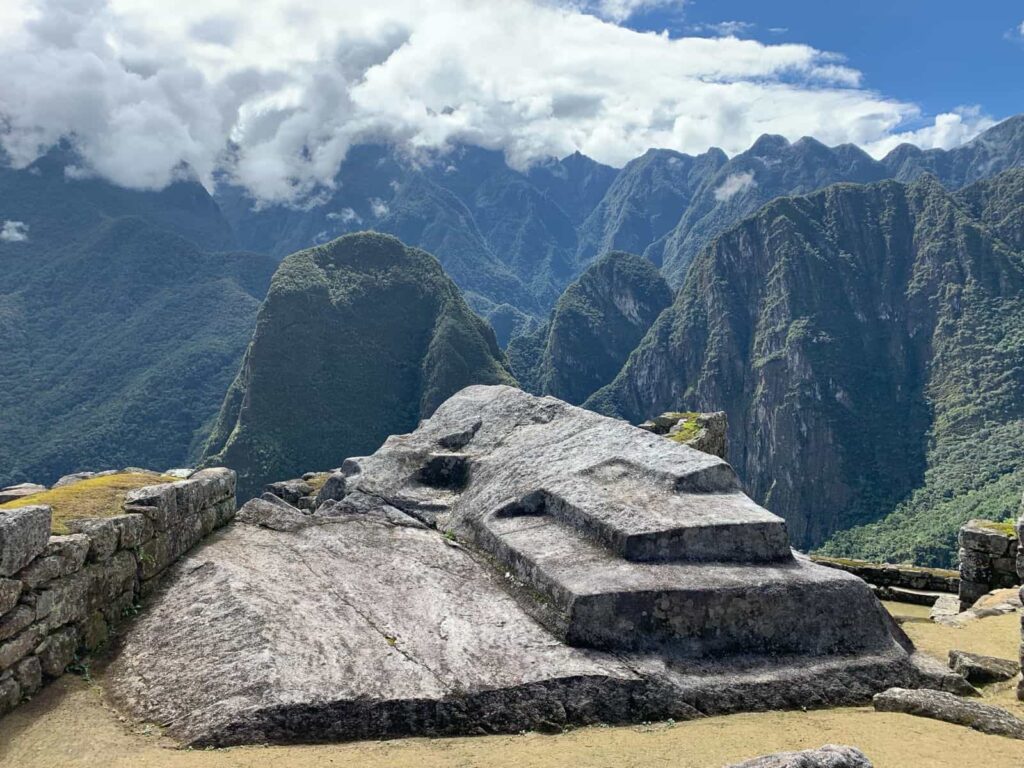
Throughout the Sacred Valley, the Incas built intricate Temples of the Sun. These structures served as astronomical observatories to track the solstices and equinoxes, ensuring the agricultural calendar was perfectly synchronized with the heavens. The alignment of these temples demonstrates the Incas’ advanced understanding of astronomy and their unwavering devotion to the sun. The entire valley was considered a mirror of the Milky Way, making it a truly sacred landscape where earth and sky connected.
What Are the Most Important Sites in the Sacred Valley?
To truly appreciate the path to Machu Picchu, you must first explore the foundational sites of the Sacred Valley. Each location played a vital role in sustaining the empire and honoring the gods.
Chinchero: The Town of the Rainbow
Situated at a soaring altitude of 3,762 meters (12,342 feet), Chinchero is often believed to be the mythical birthplace of the rainbow. The purpose of Chinchero was primarily agricultural and spiritual, serving as a country estate for the Inca Tupac Yupanqui. The Incas constructed extensive terracing here to cultivate crops that thrived at high altitudes, such as potatoes and quinoa. The site features beautiful stonework and traditional weaving practices that continue to this day, preserving the vibrant culture of the Andean people.
The Maras Salt Mines: Nature’s White Gold
The Salt of Maras consists of thousands of shallow salt pools carved into the hillside. The purpose of Maras was to harvest salt—a vital mineral for food preservation and human health—from a subterranean spring that flows from the mountain. The Incas expanded upon pre-Inca structures, creating a complex hydraulic system that allows the salty water to evaporate under the Andean sun. This site highlights the Incas’ remarkable ability to harness natural resources harmoniously and efficiently.
Moray: The Inca Agricultural Laboratory
Moray is an archaeological enigma featuring deep, bowl-like depressions constructed with concentric agricultural terraces. The purpose of Moray was to serve as an advanced agricultural testing ground. The varying depths and orientations of the terraces create distinct microclimates, with a temperature difference of up to 15°C (27°F) between the top and bottom. Here, the Incas experimented with crop adaptation, ensuring they could feed a massive empire spanning diverse ecological zones.
Ollantaytambo: The Fortress of the Sun
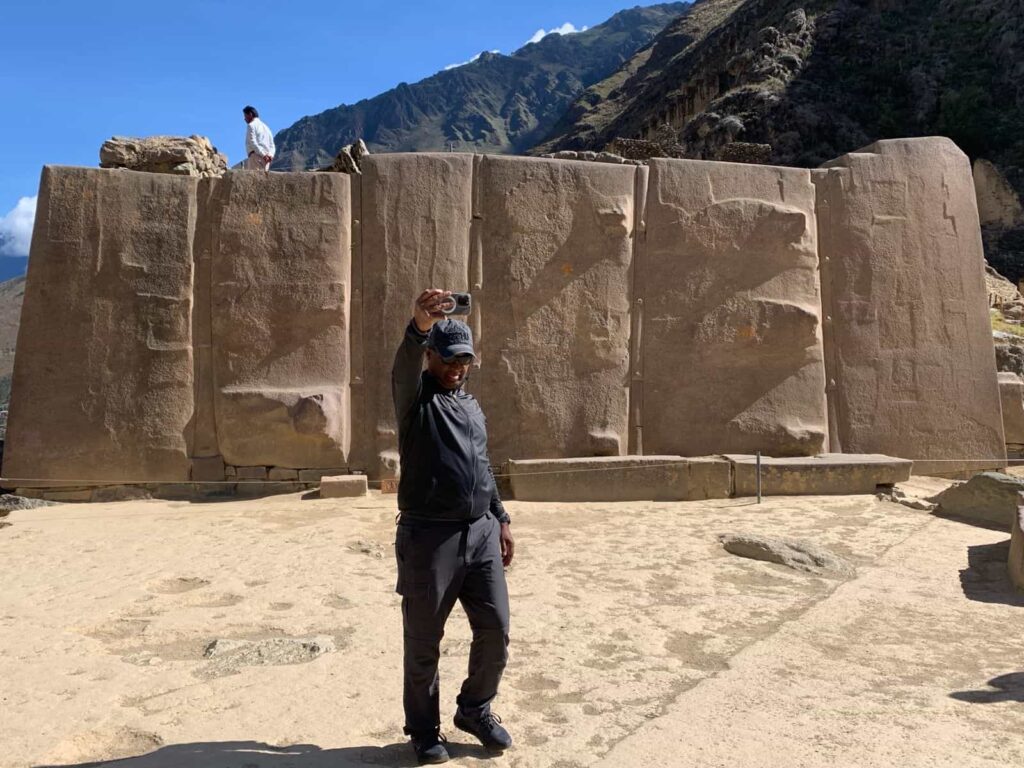
Located at an altitude of 2,792 meters (9,160 feet), Ollantaytambo is a masterpiece of Inca urban planning and monumental architecture. The primary purpose of Ollantaytambo was to serve as a royal estate for Emperor Pachacuti and a formidable ceremonial center. The most striking feature is the Temple of the Sun, perched high above the town. This temple was built using massive pink porphyry monoliths, some weighing over 50 tons, which were dragged from a quarry miles away across the Urubamba River. The Incas held grand ceremonies here, offering chicha (corn beer) and llamas to Inti, asking for protection and bountiful harvests.
How Do You Hike the 2-Day Inca Trail to Machu Picchu?
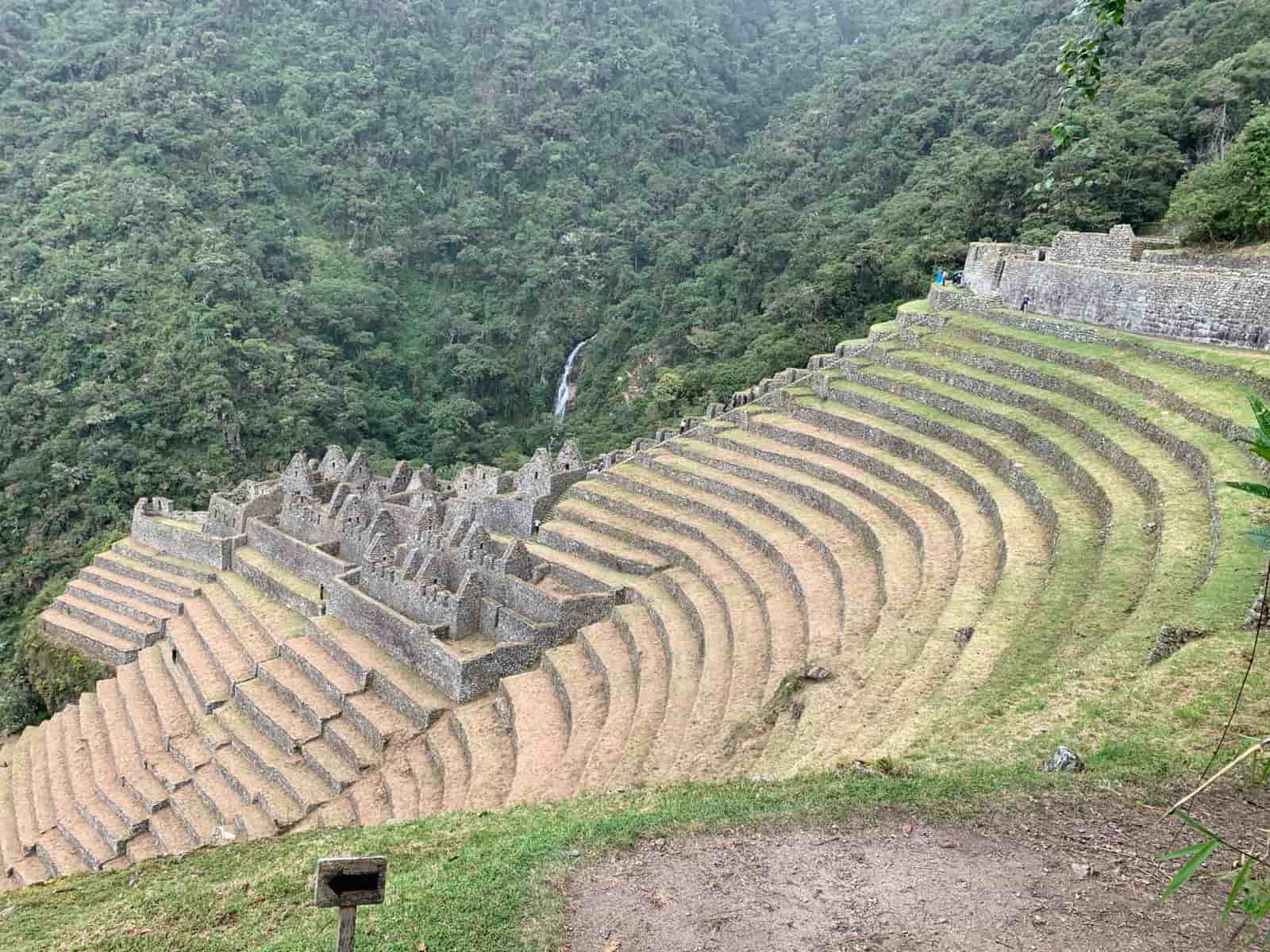
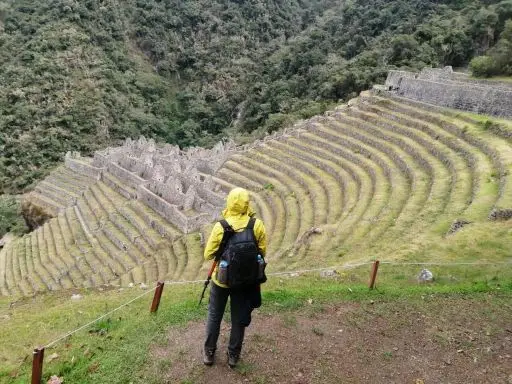
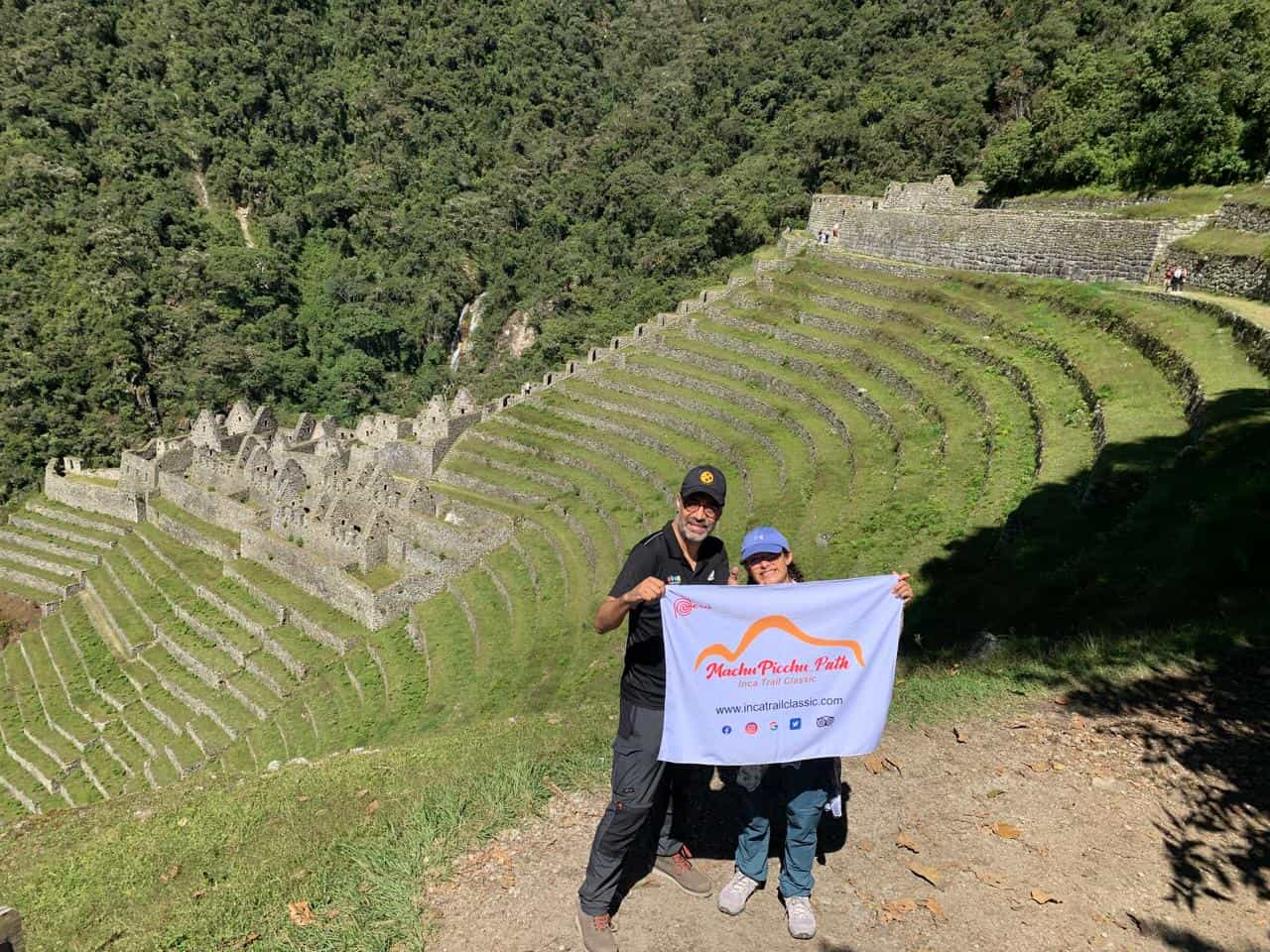
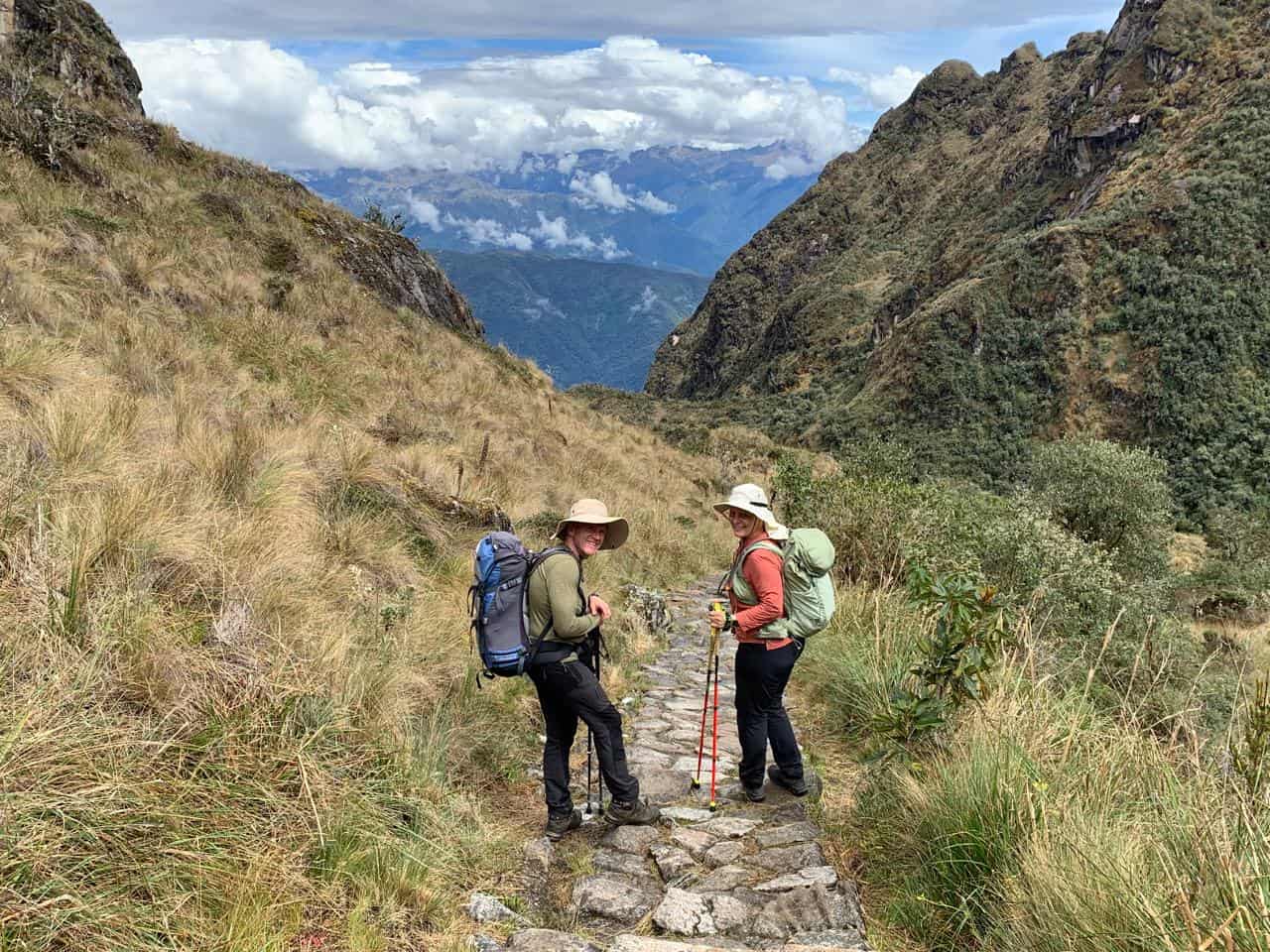
For those seeking an authentic but accessible pilgrimage to the sacred citadel, the 2-day Inca Trail (often called the Short Inca Trail) is the perfect adventure. This hike allows you to experience the climax of the historic royal route without committing to the grueling four-day trek.
Trail Specifications and Altitudes
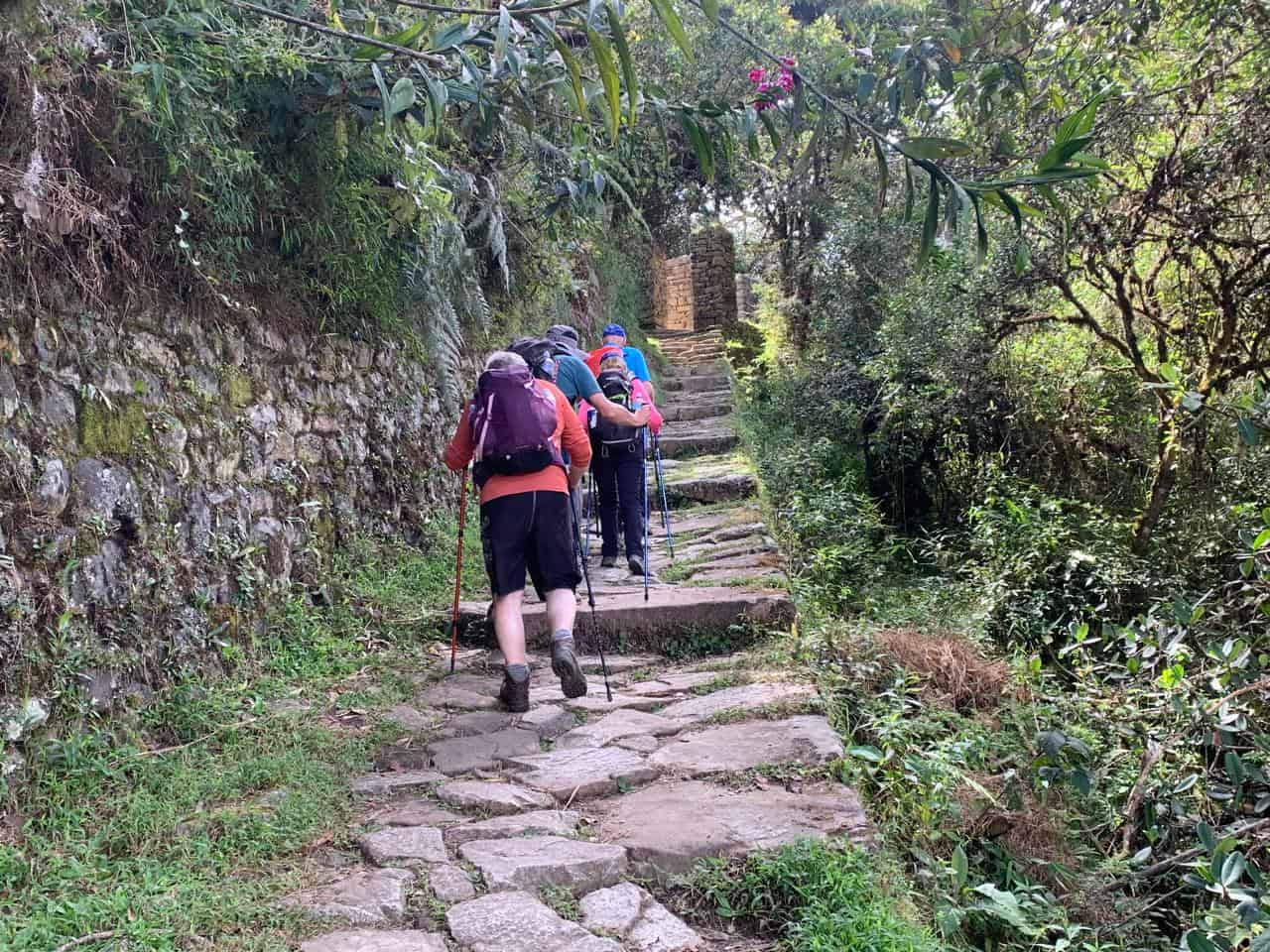
The 2-day Inca Trail covers a total distance of approximately 12 kilometers (7.5 miles). The journey begins at Kilometer 104 of the railway line, situated at an altitude of 2,100 meters (6,890 feet). The highest point of the hike is the Inti Punku, or the Sun Gate, which sits at 2,720 meters (8,924 feet). The actual hiking time takes about 6 to 7 hours, winding through lush cloud forests and past stunning waterfalls before finally descending into Machu Picchu itself at 2,430 meters (7,972 feet).
Inca Ceremonies and Sacrifices on the Trail
The trail to Machu Picchu was not merely a transportation route; it was a path of spiritual purification. The Incas believed that mountains (Apus) were powerful protective spirits. As travelers and priests made their way along the trail, they performed the Kintu ceremony, offering three perfect coca leaves to the Apus and Inti for safe passage.
Sacrifices on the Inca Trail were generally non-human, focusing instead on precious goods. Priests would burn offerings of textiles, gold, silver, and agricultural products. Animal sacrifices, primarily llamas and alpacas, were also conducted to read the future in the organs and to appease the gods of the mountains and the sun. These rituals ensured that by the time the pilgrims reached Machu Picchu, they were spiritually cleansed and worthy of entering the sacred sanctuary.
Why Is It Called the Path of the Sun?
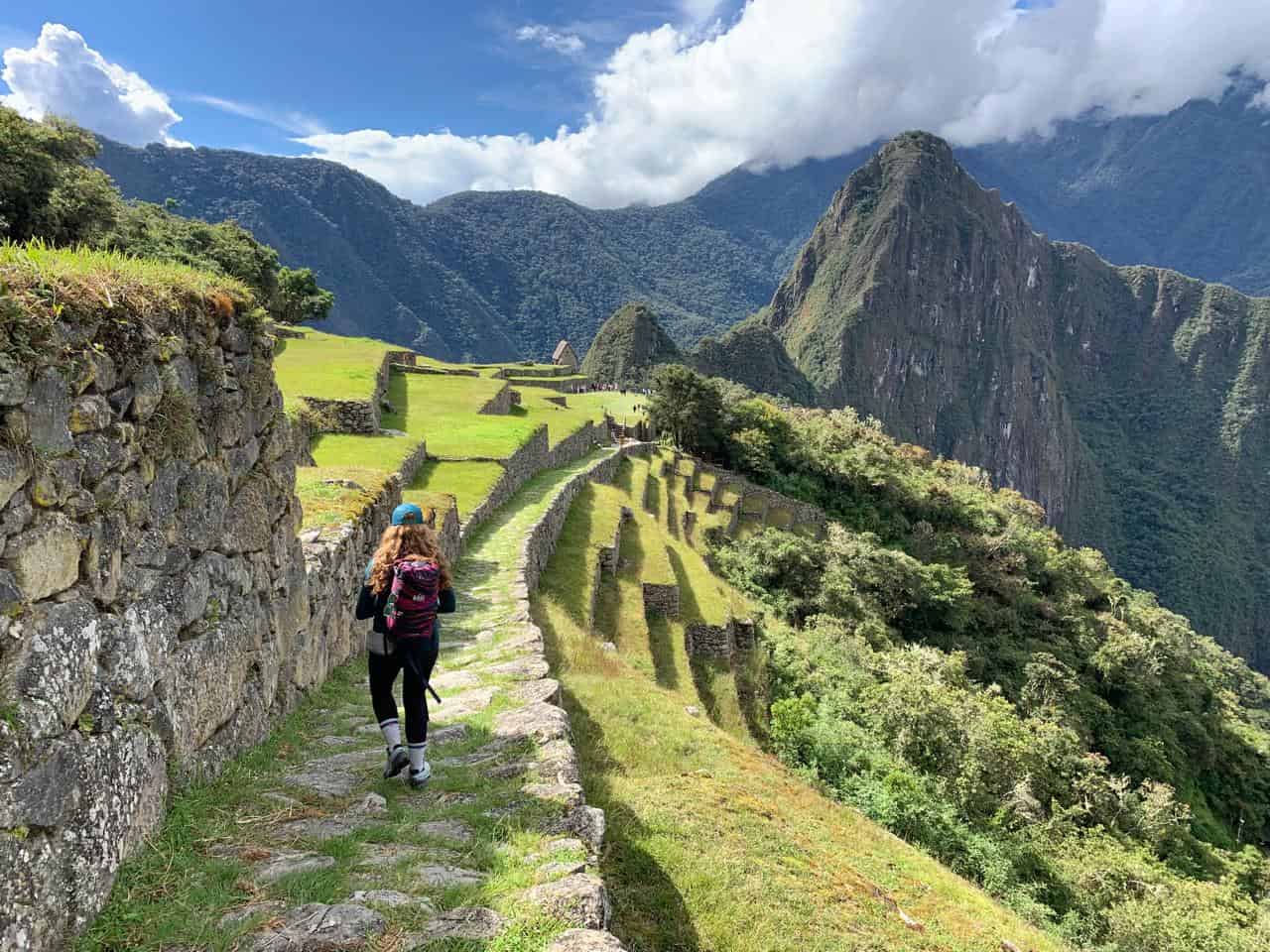
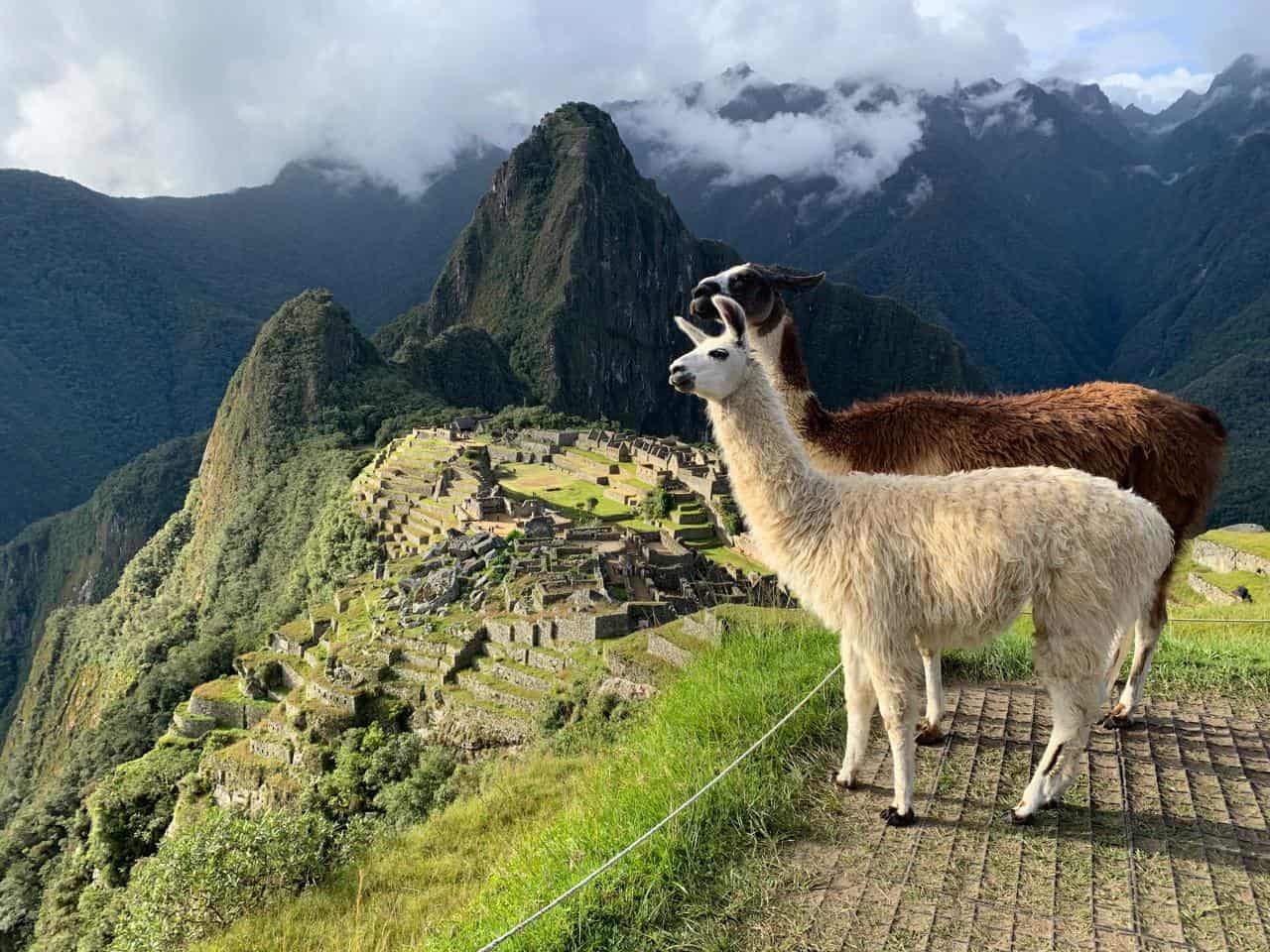
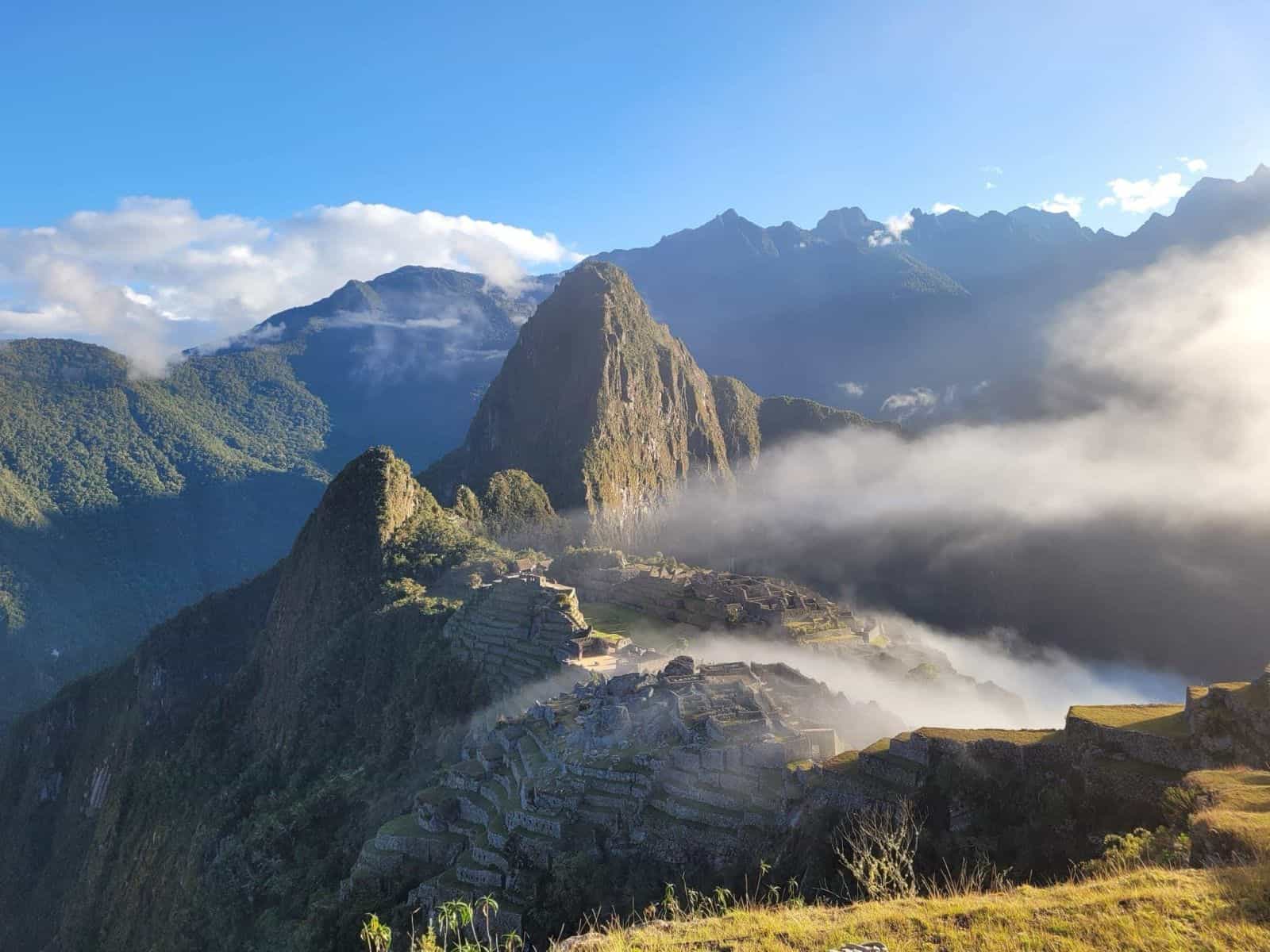
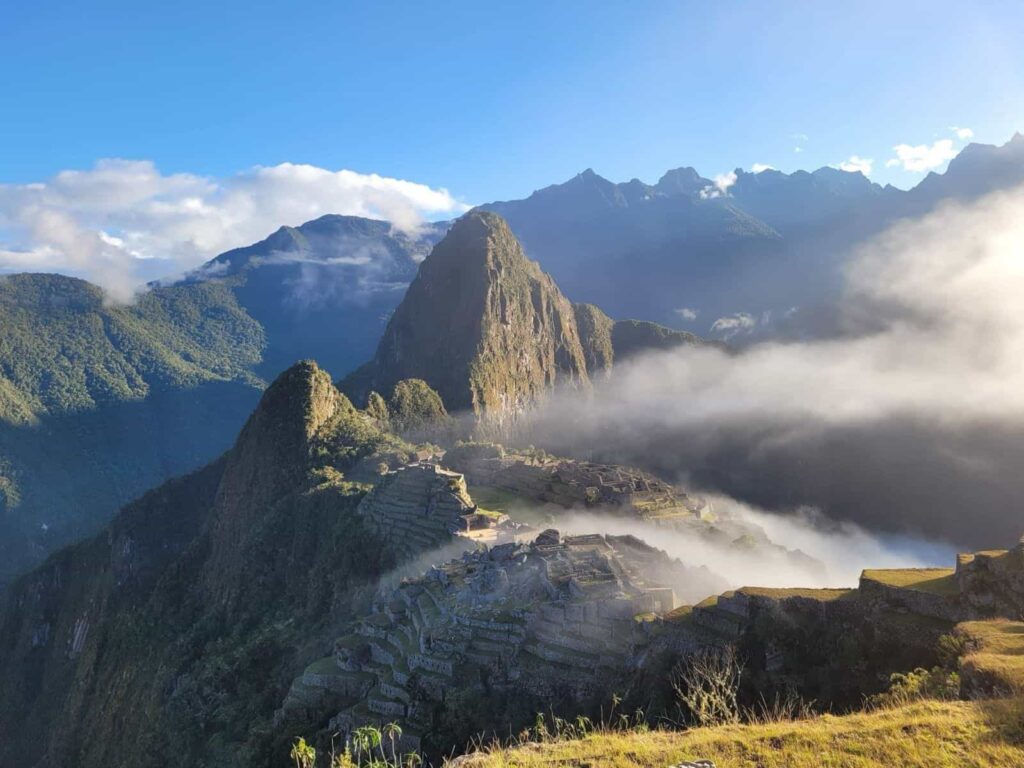
The route through the Sacred Valley and the Inca Trail to Machu Picchu is deeply intertwined with solar worship. Machu Picchu itself was strategically built to align with the solstices. The journey from the fertile valley through the high mountain passes was a physical representation of moving closer to the heavens and the Sun God. Hiking the 2-day Inca Trail allows modern travelers to experience this ancient celestial alignment, culminating in the breathtaking moment you step through the Sun Gate and see the citadel bathed in the afternoon light.
Plan Your Sacred Adventure Today
Hiking to Machu Picchu is a true adventure, making the journey to the Inca Citadel as rewarding as the ruins themselves. Walking the Sun God’s Sacred Path through the Sacred Valley—exploring Chinchero, Maras, Moray, and Ollantaytambo—prepares your mind and body for the magic of the 2-day Inca Trail.
Are you ready to step into history and feel the energy of the Andes? We specialize in guiding small groups through Machu Picchu and the Andean lands of Peru, creating authentic, once-in-a-lifetime adventures. Unique experiences in Peru are designed for you by local experts who understand the deep history and spiritual significance of these sites. Let’s plan your dream trip to Machu Picchu today.
Frequently Asked Questions (FAQ)
What is the altitude of the Sacred Valley and Machu Picchu?
The Sacred Valley ranges in altitude from 2,792 meters (9,160 feet) at Ollantaytambo to 3,762 meters (12,342 feet) at Chinchero. Machu Picchu is located at a lower elevation of 2,430 meters (7,972 feet). It is highly recommended to spend a few days in the Sacred Valley to acclimatize before attempting the Inca Trail or visiting Machu Picchu.
How long does the 2-day Inca Trail take?
The 2-day Inca Trail involves about 6 to 7 hours of active hiking on the first day, covering 12 kilometers (7.5 miles). The second day is dedicated to a guided tour of the Machu Picchu citadel itself, without any strenuous hiking required to reach the site, as you will take a bus from Aguas Calientes to the ruins.
Are there actual Temples of the Sun in the Sacred Valley?
Yes, the Incas constructed several Temples of the Sun throughout the Sacred Valley. The most prominent is located in Ollantaytambo, featuring massive stone monoliths aligned with the sun’s movements. Machu Picchu also houses its own famous Temple of the Sun, featuring a semi-circular tower built over a sacred cave.
Do I need a permit to hike the 2-day Inca Trail?
Yes, the Peruvian government strictly regulates the Inca Trail to protect the environment and archaeological sites. Permits for the 2-day Inca Trail are limited and must be booked months in advance through a licensed tour operator.
What should I pack for the 2-day Inca Trail?
Essential items for the 2-day Inca Trail include a comfortable daypack, broken-in hiking boots, layered clothing for changing temperatures, rain gear, sun protection, a reusable water bottle, and your original passport, which is required to pass the checkpoints.
- Are you looking for a personalized local tour to Machu Picchu? We’re here to help