Best Time to Hike the Inca Trail for Clear Views
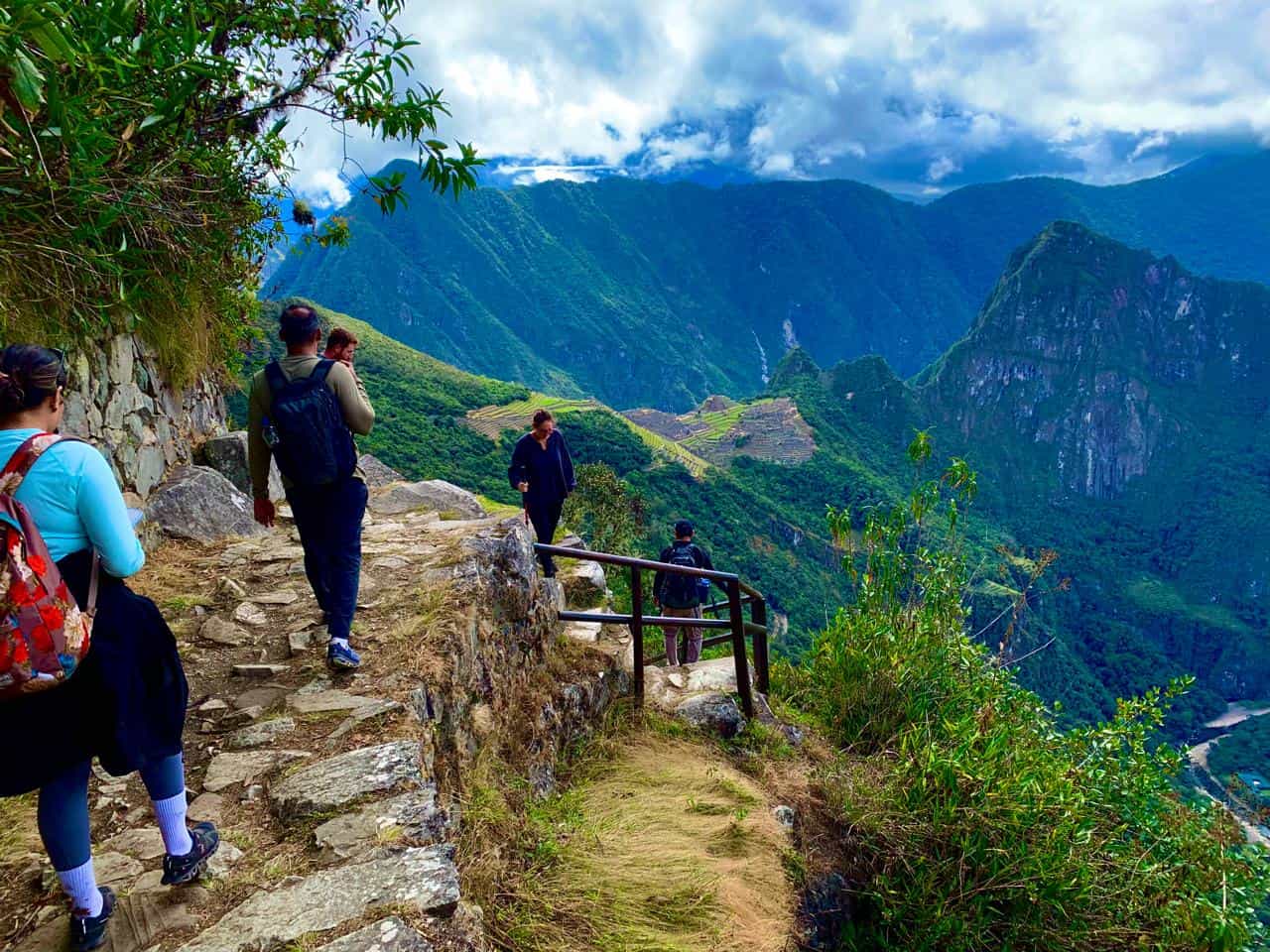
The best time to hike the Inca Trail to Machu Picchu for clear, unobstructed views is during the dry season, specifically from May to September. These months offer the lowest chances of rainfall, ensuring bright blue skies, safer trail conditions, and spectacular visibility of the Andean mountain peaks and ancient ruins.
Best Time to Hike the Inca Trail to Machu Picchu for Clear Views, Planning your dream trip to Machu Picchu is a true adventure, making the journey to the Inca Citadel as rewarding as the ruins themselves. Every year, thousands of adventurous travelers pack their hiking boots to witness the breathtaking beauty of the Peruvian Andes. However, the weather in this high-altitude region can dramatically shape your experience. Choosing the right months to travel ensures you get those picture-perfect moments as you walk through the Sun Gate (Intipunku) at dawn.
We specialize in guiding small groups through Machu Picchu and the Andean lands of Peru, creating authentic, once-in-a-lifetime adventures. To help you prepare, we have put together this comprehensive guide on the seasonal weather patterns in the region. You will learn the exact differences between hiking in the dry season versus the wet season, what altitudes and distances to expect, and what magnificent sights await you along the trail.
Best Time to Hike the Inca Trail to Machu Picchu for Clear Views Let us dive deep into the ultimate trekking schedule so you can plan the perfect journey to this Wonder of the World.
When is the best time to hike the Inca Trail for clear views?
For the absolute best visibility and crisp blue skies, the peak months to hike the Inca Trail are June, July, and August. These months fall right in the middle of the Andean dry season. Because rainfall is incredibly rare during this window, hikers enjoy uninterrupted views of the towering mountain peaks, deep green valleys, and stunning stone archaeological sites.
May and September are also fantastic months to visit. These “shoulder” months still offer plenty of sunshine and clear days, but with slightly warmer overnight temperatures than the mid-winter months of June and July. If you want to balance fewer crowds with excellent photography conditions, late May and early September are exceptional choices for your trek.
Keep in mind that February is the only month when the Inca Trail is entirely closed. The Peruvian government shuts down the trail every February for essential maintenance, conservation work, and because it is the peak of the torrential rainy season.
What is the difference between hiking in the dry season and the rainy season?
Understanding the dual-season climate of the Andes is crucial for deciding when to book your trek. Choose the dry season if clear views and safe footing matter more than avoiding crowds. Choose the rainy season if you prefer warmer temperatures, lush vegetation, and quiet trails, provided you do not mind getting wet.
Trekking in the Dry Season (May to October)
The dry season offers the most stable and predictable weather conditions for hiking the Inca Trail. The trails are dry, minimizing the risk of slipping on wet stones, and the skies remain predominantly clear.
During these months, daytime temperatures are very comfortable, typically hovering around 18°C to 20°C (64°F to 68°F). However, the nighttime temperatures can plummet significantly, especially at the higher altitude campsites like Pacaymayo. Temperatures frequently drop below freezing (0°C or 32°F) during June and July nights.
Because the weather is ideal, the dry season represents the peak tourist season. Permits for the classic Camino Inca de 4 dias sell out months in advance, and the trails will be bustling with other eager trekkers.
Trekking in the Rainy Season (November to April)
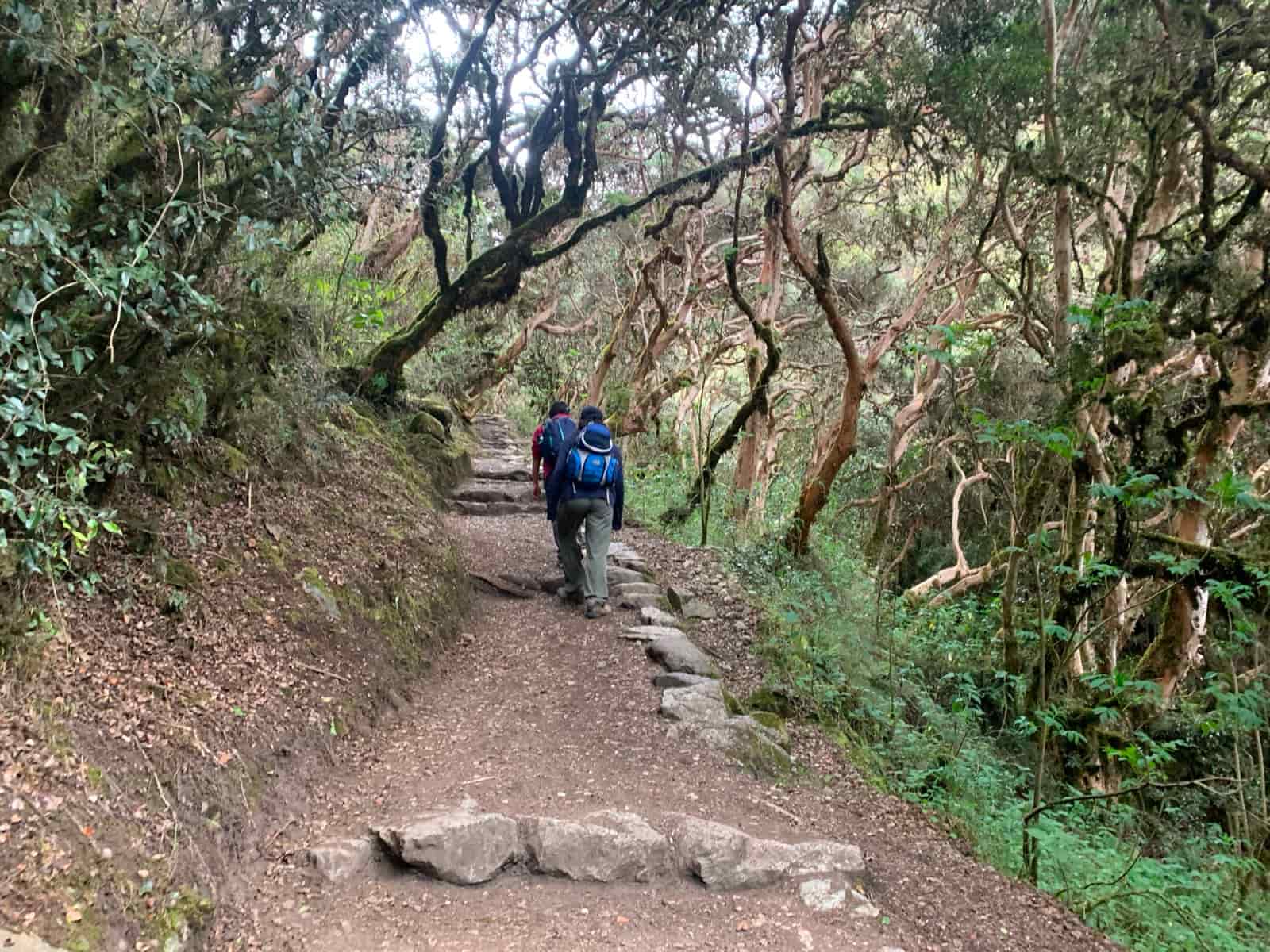
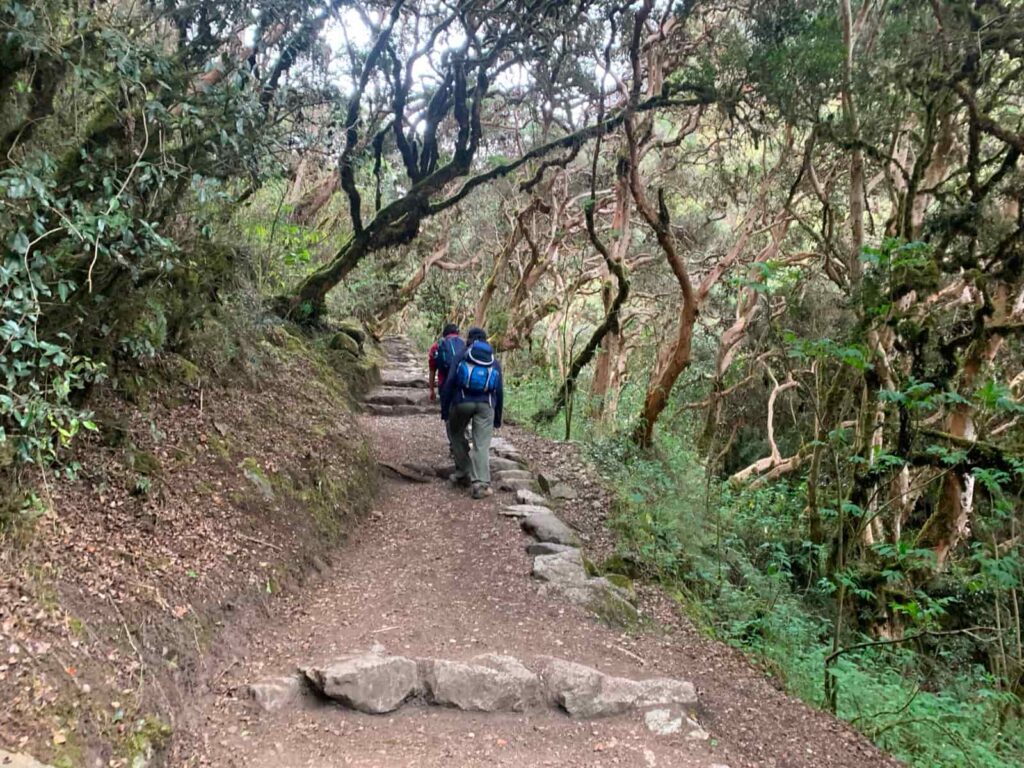
The rainy season transforms the Andes into a vibrant, lush paradise. The mountains turn emerald green, and countless orchids and wildflowers bloom along the trail. If you are a botany enthusiast, this season offers spectacular sights of the local flora and fauna.
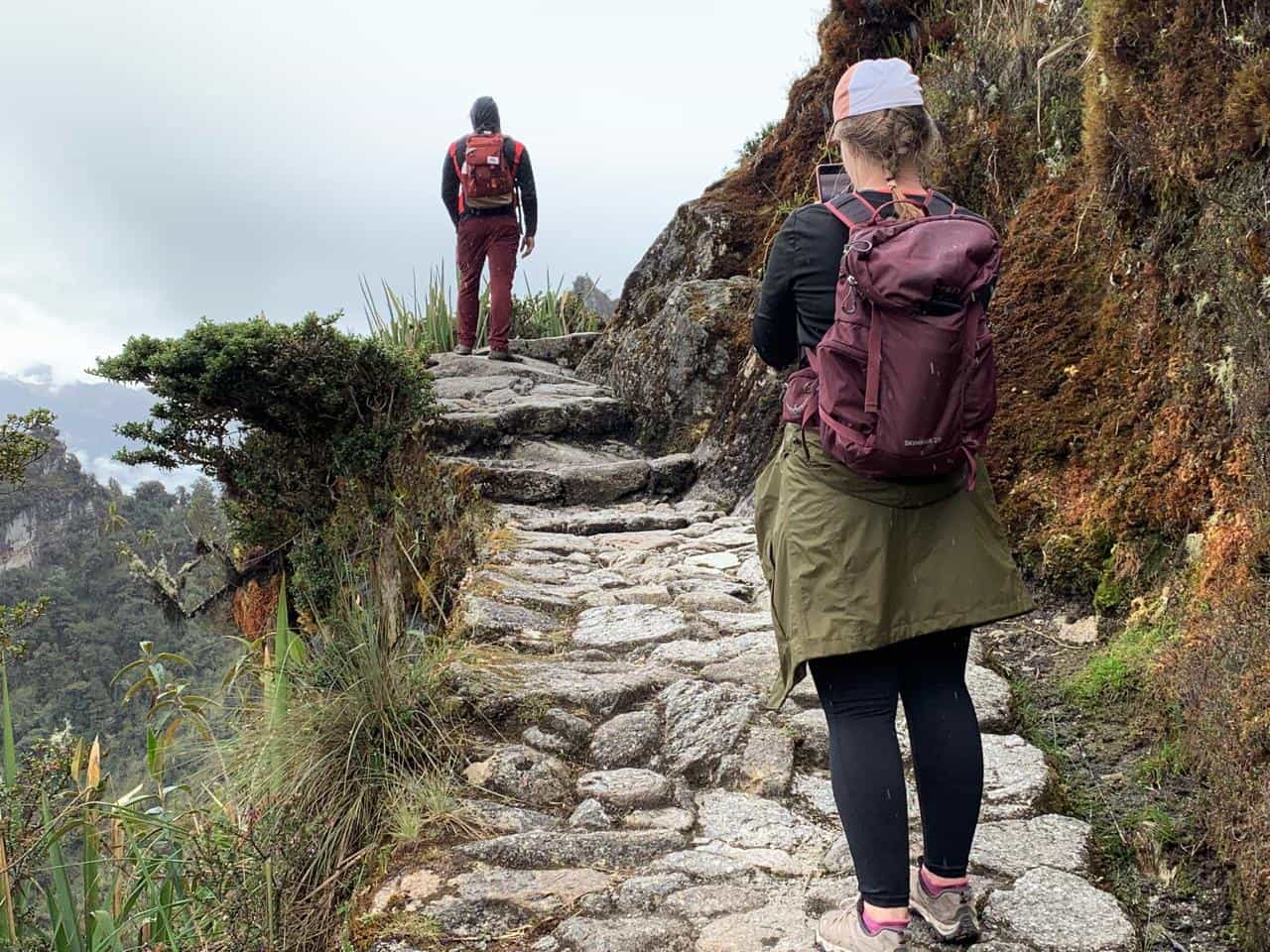
However, the rainy season presents specific challenges. Heavy downpours are frequent, particularly in January and March. This rain makes the ancient stone steps very slippery and increases the difficulty of the hike. The cloud cover is often dense, meaning that the majestic views of Machu Picchu might be obscured by thick fog when you finally arrive at the Sun Gate.
Nighttime temperatures are warmer during the rainy season, generally staying around 5°C to 8°C (41°F to 46°F). There are also significantly fewer tourists on the trail, which provides a much more solitary and peaceful hiking experience.
Distances and altitudes: How hard is the Inca Trail to Machu Picchu?
Hiking the Inca Trail requires good physical preparation. The altitude and the uneven terrain make this a challenging but highly rewarding endeavor.
The traditional Camino Inca de 4 dias covers a total distance of approximately 43 kilometers (26 miles). Over these four days, trekkers hike for an average of 6 to 9 hours daily. The physical exertion is amplified by the high elevation, as there is less oxygen in the air.
Here is a breakdown of the key altitudes you will encounter on the 4-day trek:
- Starting Point (Km 82): The trek begins at an altitude of 2,720 meters (8,923 feet).
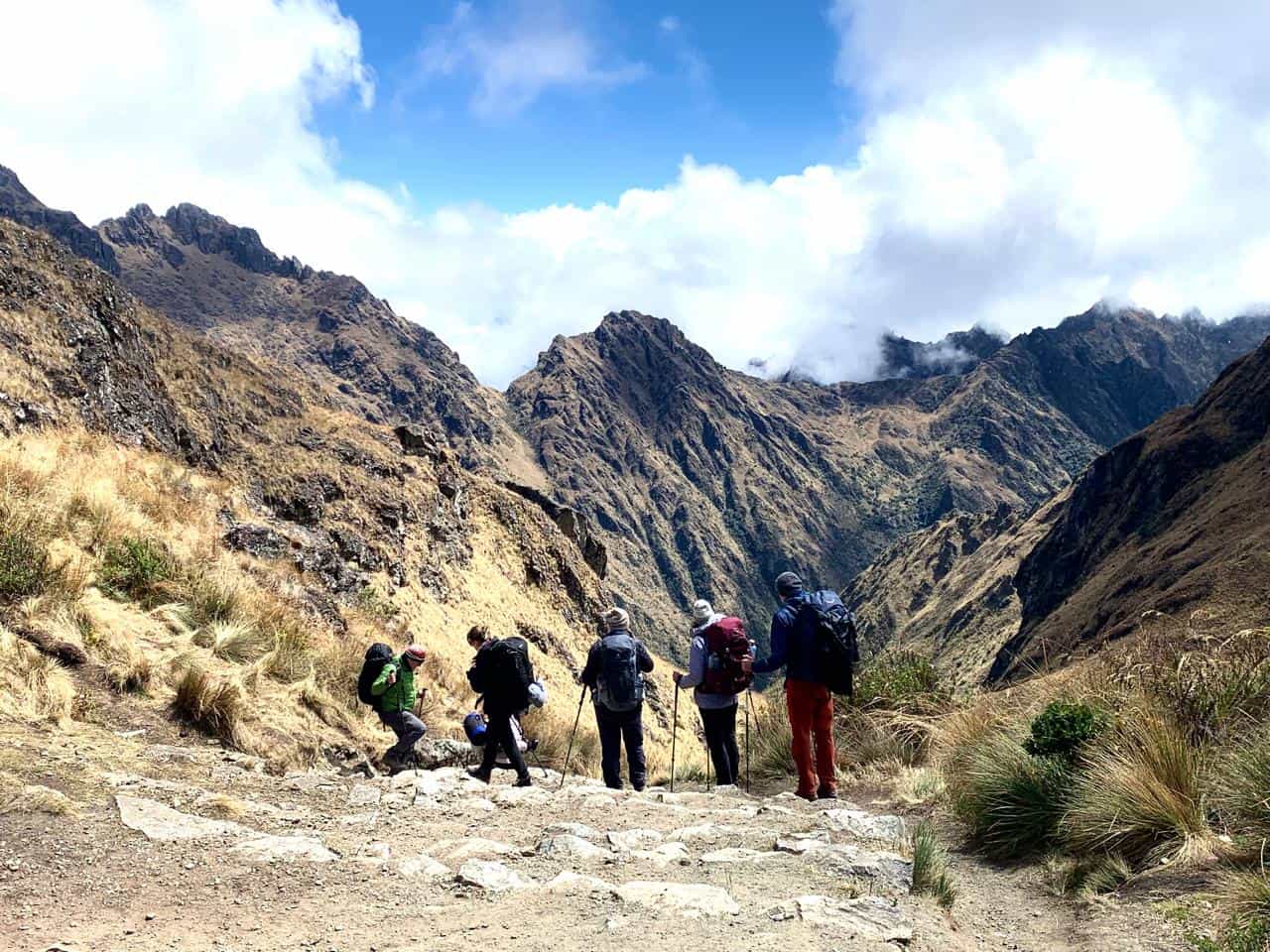
- Highest Point (Dead Woman’s Pass): On the second day, you will face the most demanding section of the hike. You must climb to Warmiwañusca, or Dead Woman’s Pass, which sits at a staggering 4,215 meters (13,828 feet) above sea level.
- Second Highest Pass (Runkuraqay): The third day includes a climb over a pass that reaches 3,950 meters (12,959 feet).
- Machu Picchu: The ancient city itself is located at a surprisingly lower altitude of 2,430 meters (7,972 feet), meaning you will actually descend significantly into the cloud forest before finishing the trek.
If the 43-kilometer distance seems too daunting, or if you are short on time, the Camino Inca de 2 dias is an excellent alternative. This shorter version covers roughly 10.4 kilometers (6.4 miles) and skips the extreme high-altitude mountain passes. It starts at Km 104 (2,100 meters or 6,889 feet) and offers a gentler but equally stunning approach to the final ruins.
What will you see on the Inca Trail to Machu Picchu?
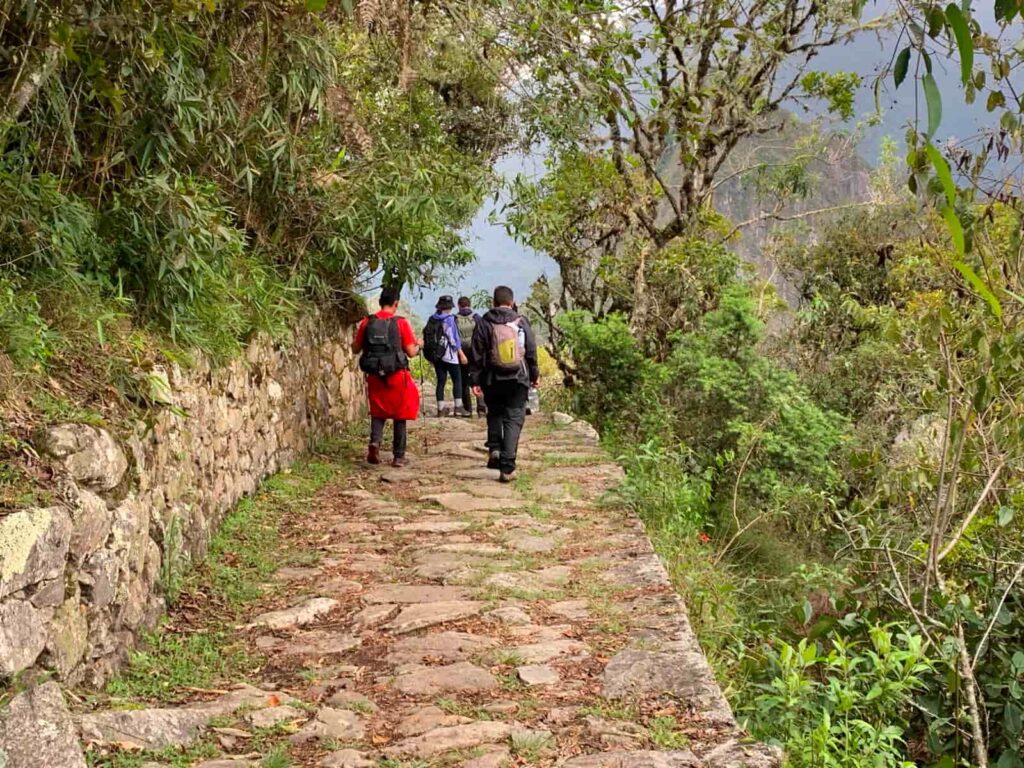
The journey is just as incredible as the final destination. The Inca Trail is a masterclass in ancient engineering and harmony with nature. As you navigate the Camino Inca de 4 dias, you will transition through several distinct ecological zones, from arid high-mountain highlands down into the humid, tropical cloud forest.
Along the way, you will explore several fascinating archaeological sites that are completely inaccessible to regular tourists who take the train to Machu Picchu. Some of the major highlights include:
- Llactapata: Your first major ruin, featuring complex terracing used for agriculture.
- Runkuraqay: A unique, semi-circular Inca watchtower that overlooks the Pacaymayo valley.
- Sayacmarca: Known as the “Inaccessible Town,” this ruin is perched dramatically on a steep cliffside and offers commanding views of the surrounding mountains.
- Phuyupatamarca: Dubbed the “Town in the Clouds,” this site is famous for its intricate water fountains and stunning ceremonial baths.
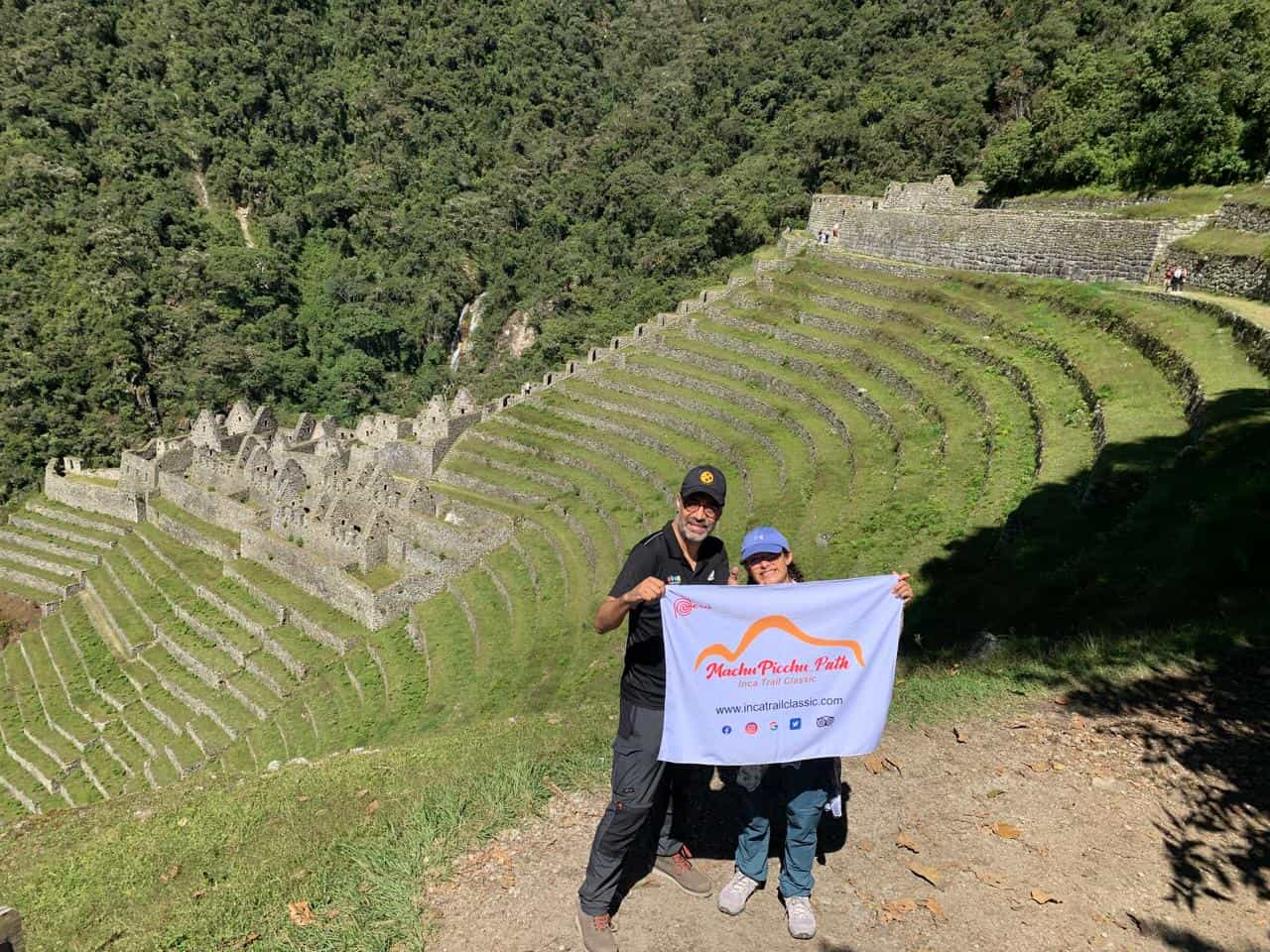
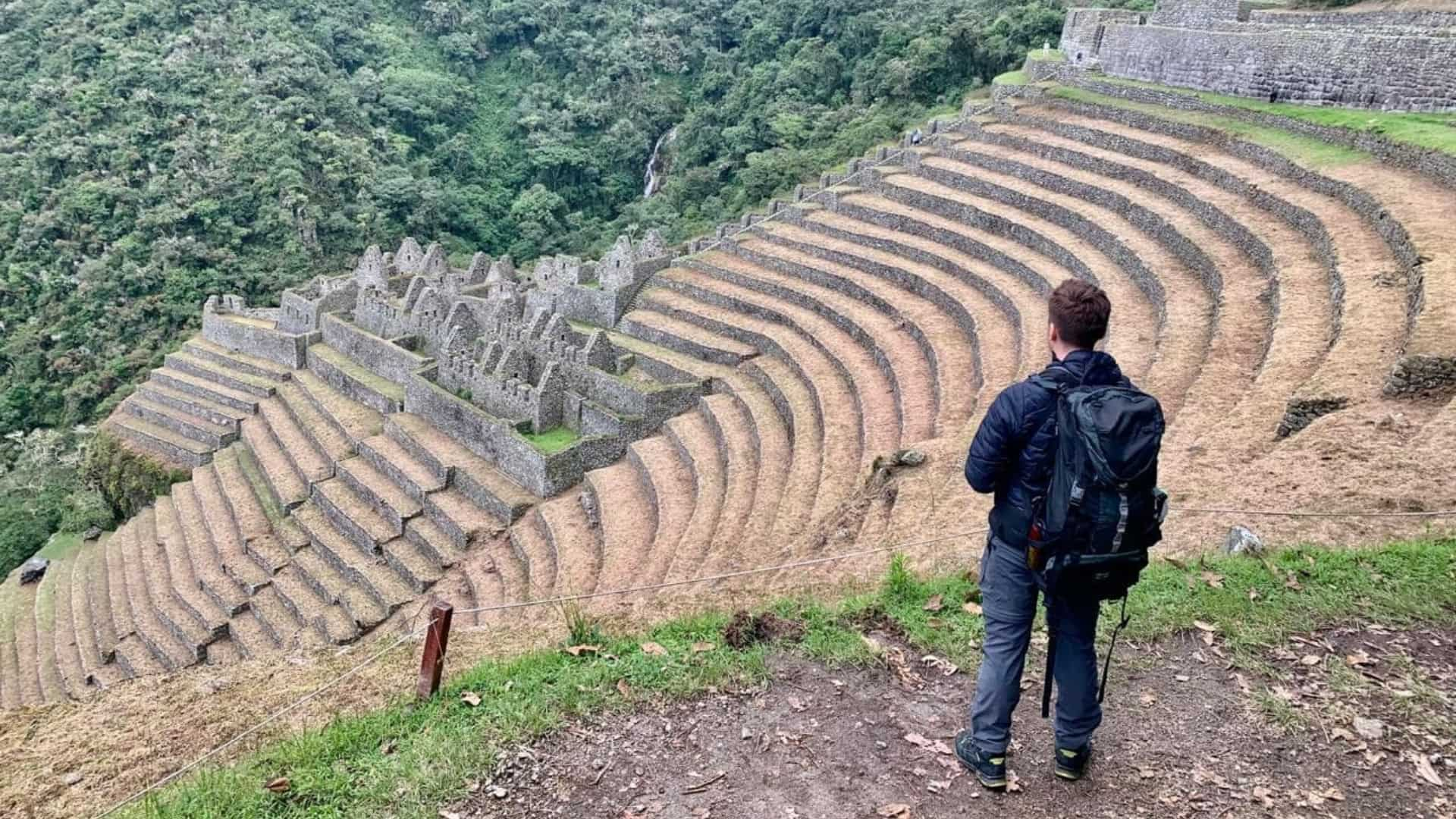
- Wiñay Wayna: Perhaps the most beautiful site before Machu Picchu itself, featuring steep, sweeping agricultural terraces overlooking the Urubamba River.
Additionally, if permits for the classic route are sold out, there are incredible Camino Inca alternativos (alternative Inca trails). Routes like the Salkantay Trek or the Lares Trek offer completely different visual experiences. The Salkantay Trek brings you close to snow-capped glaciers at high altitudes, while the Lares Trek provides a deep cultural immersion by passing through traditional Quechua-speaking weaving villages. Both alternative routes eventually lead you down into the valley to explore Machu Picchu.
Let’s plan your dream trip to Machu Picchu
Hiking to Machu Picchu is a true adventure, offering a brilliant mix of historical intrigue, physical challenge, and jaw-dropping natural beauty. By choosing to travel during the dry season, you give yourself the best possible chance to witness the clear, radiant views of the Andes that have captivated travelers for decades.
Whether you are seeking the rigorous challenge of the classic Camino Inca de 4 dias, the condensed beauty of the Camino Inca de 2 dias, or the rugged wilderness of the Camino Inca alternativos, preparation is the key to a memorable journey.
Unique experiences in Peru designed for you by local experts are just a few clicks away. Pack your hiking boots, prepare your camera, and get ready to step back in time. Explore our trail itineraries today and secure your permits for the upcoming season!
Frequently Asked Questions (FAQ)
What is the absolute best month for clear views at Machu Picchu?
July is considered the absolute best month for clear skies and optimal visibility at Machu Picchu. It sits right in the middle of the Andean dry season, meaning rainfall is incredibly rare, and the surrounding mountain peaks remain completely visible.
How far in advance do I need to book the classic Inca Trail?
You must book the classic 4-day Inca Trail at least 6 to 8 months in advance, especially if you plan to travel during the popular dry season (May to September). The Peruvian government strictly limits the trail to 500 permits per day, which includes guides and porters.
Can I hike the Inca Trail without a guide?
No. According to Peruvian regulations, all trekkers must hike the Inca Trail with a licensed tour operator and professional guide. Independent hiking is strictly prohibited on the classic Inca Trail routes for conservation and safety reasons.
What should I do if the classic Inca Trail is sold out?
If permits for the classic trail are sold out for your desired dates, you can book alternative routes. Camino Inca alternativos like the Salkantay Trek or the Lares Trek do not have the same strict permit limitations and offer equally spectacular scenery and cultural experiences before culminating at Machu Picchu.
Is the 2-day Inca trail easier than the 4-day route?
Yes, the inca Trail of 2 day is significantly easier than the 4-day route. It covers a shorter distance of about 10.4 kilometers (6.4 miles) and avoids the extreme high-altitude passes like Dead Woman’s Pass. It is highly recommended for travelers with limited time or those looking for a less strenuous hike.
The Short Inca Trail 2-Day to Machu Picchu covers about 12 kilometers (7.5 miles) and offers one of the best trekking experiences in Peru. Along the route, hikers walk on original Inca pathways, discover the remarkable ruins of Wiñay Wayna, enjoy spectacular mountain scenery, and enter Machu Picchu through the famous Inti Punku (sungate). This short trek is perfect for travelers who want to experience the Inca Trail without committing to the classic 4-day hike.
👉 Ready for Your Peru Adventure? We are a local tour company specializing in unforgettable 2-Day Inca Trail experiences to Machu Picchu
Experience the 2-Day Inca Trail to Machu Picchu – Reserve Today