Where Is the Best Spot for the Classic Machu Picchu Photo?
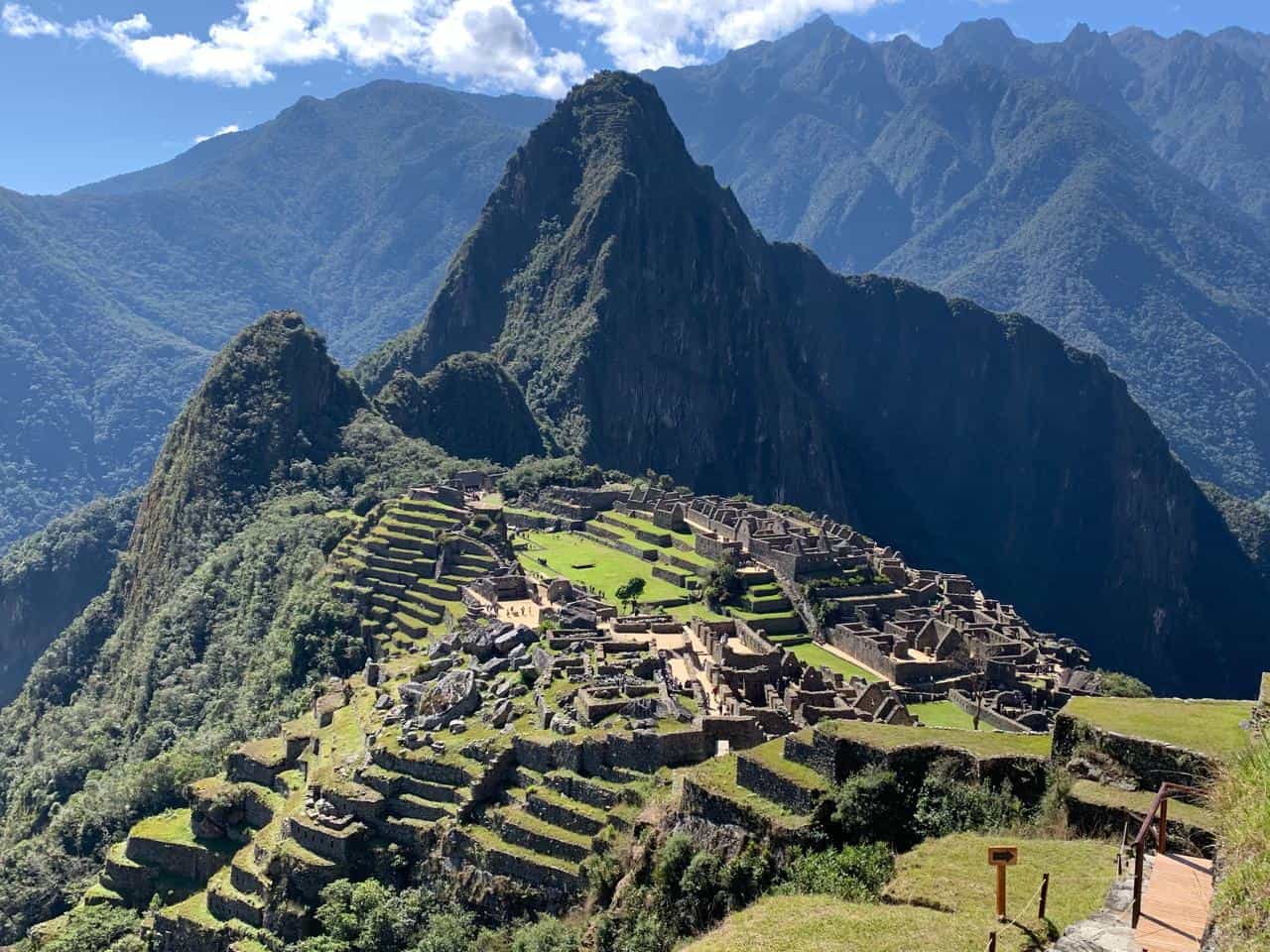
What Is the Best Spot to Take Photos of Machu Picchu? Absolute best spot for the classic Machu Picchu photo is from the upper terraces located in Circuit 1. While Circuit 2 offers an excellent comprehensive tour of the Inca city, its photo vantage points are lower. For the ultimate photography and historical experience, the 2-day Inca Trail provides classic upper-terrace views on day one, followed by the deep history of Circuit 3 on day two.
Best Classic Machu Picchu Photo Spot, Traveling to the heart of the Peruvian Andes to witness the majesty of the Inca Empire is a true adventure. Millions of travelers make the journey to the Inca Citadel every year, and almost all of them share a singular, unifying goal: capturing that iconic, postcard-perfect photograph of the ancient ruins resting beneath the towering peak of Huayna Picchu. However, recent changes to the ticketing system and the introduction of strict visitor circuits have fundamentally changed how you explore this World Heritage site. You can no longer simply wander the ruins to find the best angle. You must choose your path wisely before you even arrive.
Understanding the layout of the sanctuary is critical for photographers and sightseers alike. The Peruvian Ministry of Culture has divided the sanctuary into specific routes to protect the ancient stones from over-tourism. Choosing the wrong circuit might mean missing out on the sweeping panoramic views you traveled thousands of miles to see.
If you want to secure the best memories and the most breathtaking images, you need to understand the distinct advantages of Circuit 1, Circuit 2, and Circuit 3. Furthermore, understanding how alternative arrival methods, specifically the Short Inca Trail, can unlock exclusive vantage points will help you plan your dream trip to Machu Picchu with absolute confidence.
Why is Circuit 1 the best option for panoramic Machu Picchu photos?
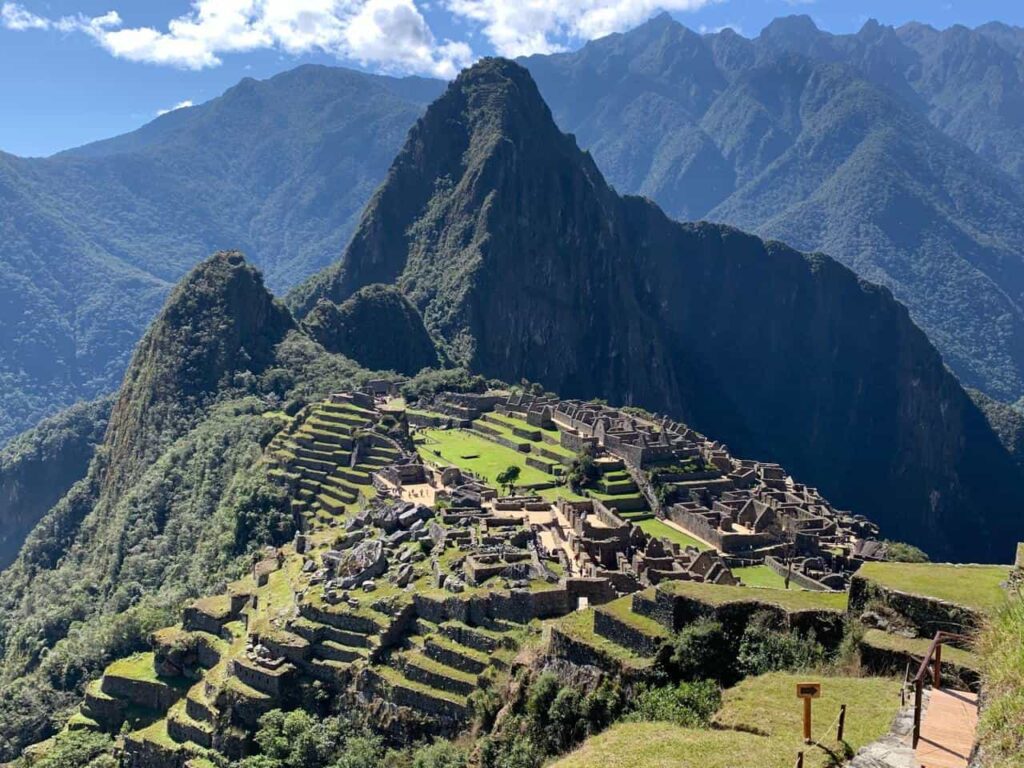
When you envision The iconic image of the Inca Citadel where the ancient stone city sits perfectly framed by the dramatic, cloud-draped peaks of the Andes you are looking at a photograph taken from the upper terraces. Circuit 1 (the Panoramic Circuit) is specifically designed to take visitors to these high-altitude vantage points.
Circuit 1 guides travelers to the Guardhouse (Casa del Guardián), which is the highest accessible point in the standard tourist areas of the sanctuary. From this elevated position, you gain an unobstructed, sweeping view of the entire urban sector, the agricultural terraces, and the dramatic mountain backdrop. Choose Circuit 1 if capturing the classic, wide-angle photograph of the entire sanctuary matters more to your trip than walking through the lower residential sectors.
The elevation of Circuit 1 allows you to capture the sheer scale of the Inca architecture. The lighting from the upper terraces is also generally superior, especially in the early morning when the sun begins to break through the Andean mist. Because you are positioned high above the main ruins, you can easily frame your shot without hundreds of other tourists blocking the foreground of your photograph.
How does Circuit 2 compare to Circuit 1 for photographers?
Circuit 2 is widely considered the most comprehensive route for exploring the Inca city, but it does not provide the same elevated photographic opportunities as Circuit 1. Circuit 2 (the Classic Circuit) takes visitors through the heart of the urban sector, allowing you to walk among the most significant structures, including the Main Temple, the Temple of the Sun, and the Intihuatana stone.
While Circuit 2 is fantastic for architectural details and up-close exploration, the photos you capture will not have the same sweeping, panoramic quality as those taken from Circuit 1. The vantage points on Circuit 2 are situated lower on the mountain. As a result, your photographs will feature the buildings from eye level, which compresses the depth of the city and often includes more crowds in the background.
If you are a photographer looking to capture detailed shots of Inca masonry, trapezoidal windows, and water channels, Circuit 2 is an excellent choice. However, if your primary goal is the classic landscape photograph, Circuit 2 will fall slightly short of expectations. The lower elevation simply cannot replicate the dramatic, bird’s-eye perspective offered by the upper terraces of Circuit 1.
What makes Circuit 3 the best route for Inca history?
Circuit 3 (the Royalty Circuit) focuses entirely on the lower section of the Inca Citadel. This circuit immerses visitors in the profound history of the site. On Circuit 3, you explore the Temple of the Sun, the House of the Inca, the Water Mirrors, and the Temple of the Condor.
The history truly sings on Circuit 3. This area contains the most sacred and meticulously constructed buildings in the entire sanctuary. Our local expert guides often recommend Circuit 3 for history enthusiasts who want to understand the religious and astronomical significance of the Inca Empire.
From a photography standpoint, Circuit 3 does not offer The classic panoramic view of the ruins and Huayna Picchu. The angles are completely different, focusing upward at the terraces rather than looking down upon the city. Therefore, Circuit 3 should be viewed as an educational and historical immersion rather than a primary landscape photography route.
Why does the 2-day Inca Trail offer the ultimate photography experience?
For travelers who want the absolute best of both worlds—the classic panoramic photographs and the deep historical exploration—the 2-day Inca Trail (Camino Inca de 2 días) is the ultimate solution. Hiking to Machu Picchu is a true adventure, making the journey to the Inca Citadel as rewarding as the ruins themselves.
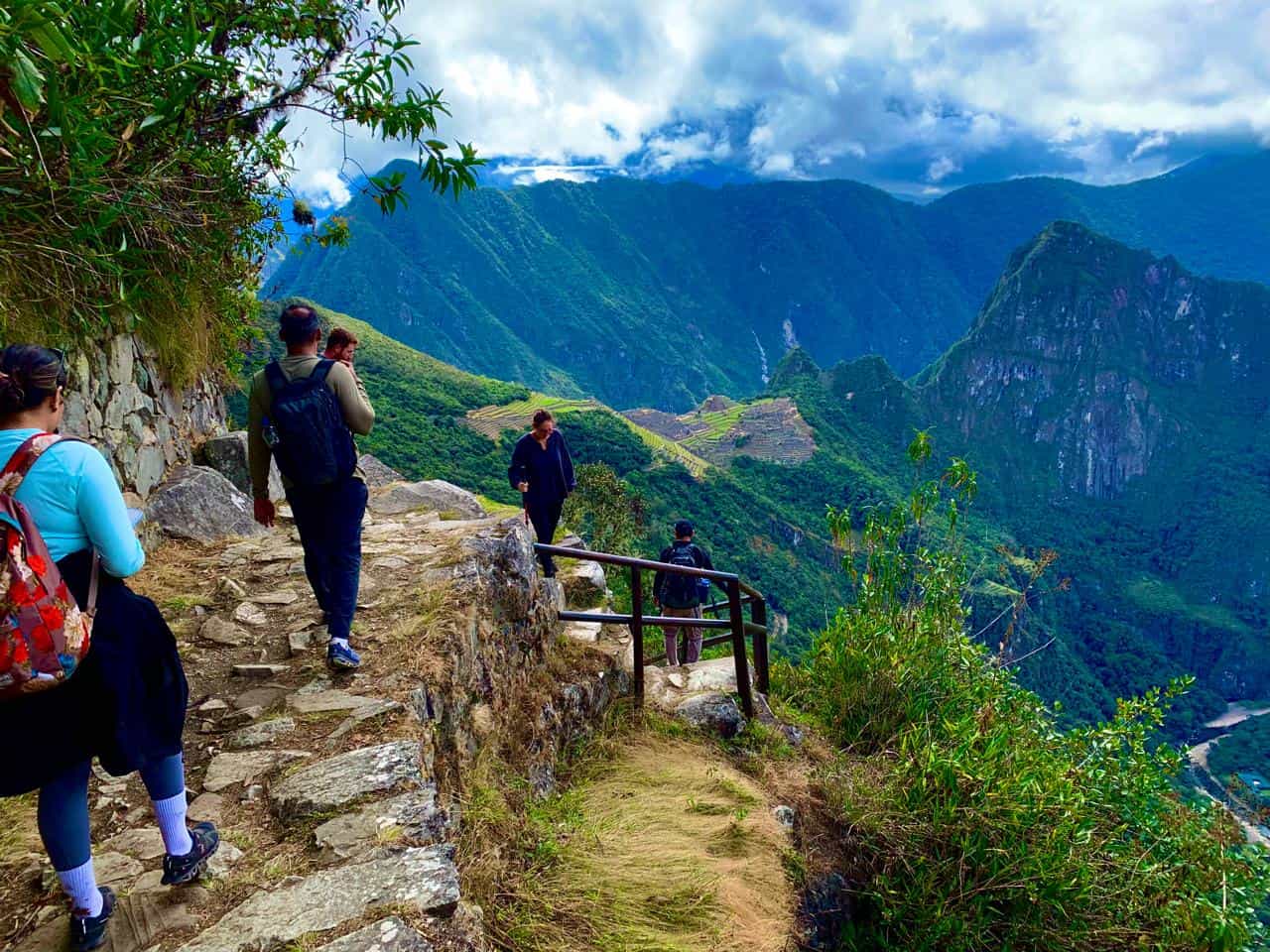
The 2-day Inca Trail offers a strategic advantage that no standard train ticket can match. On the first day of the trek, hikers arrive at the sanctuary through Inti Punku, the ancient Sun Gate. This entrance provides a breathtaking, exclusive view of the entire city from a distance. As you hike down from the Sun Gate in the late afternoon, you arrive directly at the upper terraces (the Circuit 1 area). Because most of the morning crowds have already departed by the afternoon, you have an incredible opportunity to capture the classic photo in peaceful, golden-hour lighting.
On the second day, your journey continues. After spending the night in the town of Aguas Calientes, you return to the sanctuary the following morning. This second visit typically includes a guided tour of Circuit 3. This combination is absolutely perfect: you secure your stunning, high-altitude panoramic photos on day one, and you dive deep into the fascinating history and architecture of the lower city on day two.
What are the key details for the 2-day Inca Trail trek?
Planning the 2-day Inca Trail requires understanding the physical demands, the logistics, and the investment required for the journey. Here are the vital statistics and tips for this unforgettable adventure.
How many kilometers is the 2-day Inca Trail?
The hiking portion of the 2-day Inca Trail covers approximately 11 kilometers (6.8 miles) of ancient stone pathways. You begin your hike at Kilometer 104 of the railway line, ascending through the lush cloud forest, passing the stunning archaeological site of Wiñay Wayna, and finally arriving at the Sun Gate. The hike takes an average of 6 to 7 hours to complete.
What is the altitude of the 2-day Inca Trail?
Altitude is a crucial factor when trekking in the Andes. The hike begins at an elevation of roughly 2,100 meters (6,890 feet) at Kilometer 104. The highest point of the trek is the Sun Gate (Inti Punku), which sits at 2,730 meters (8,956 feet). After reaching the Sun Gate, you descend into the Machu Picchu sanctuary, which rests at 2,430 meters (7,972 feet). Because the maximum altitude is relatively low compared to Cusco (3,399 meters) or the classic 4-day Inca Trail (which reaches 4,215 meters), altitude sickness is much less common on this route.
What is the cost of the 2-day Inca Trail?
The cost of the 2-day Inca Trail typically ranges from $450 to $600 USD per person. This cost is highly inclusive, generally covering your train tickets, the Inca Trail hiking permit, entrance to the sanctuary, a professional local guide, one night of hotel accommodation in Aguas Calientes, and bus tickets. While it is more expensive than taking the train directly, the value of arriving on foot and enjoying two distinct experiences at the citadel makes it incredibly worthwhile.
What are the best tips for hiking the short Inca Trail?
To make your trekking and photography experience seamless, our local experts recommend the following tips:
- Acclimatize in the Sacred Valley: Spend at least two days in Cusco or the Sacred Valley before your trek to let your body adjust to the altitude.
- Pack light camera gear: Since you will be hiking for 11 kilometers, avoid carrying massive tripods or overly heavy lenses. A versatile zoom lens (such as a 24-70mm) is perfect for capturing both wide landscapes and tight details.
- Book well in advance: Inca Trail permits are strictly limited by the Peruvian government to 250 hikers per day for the short trail. You must secure your permits months in advance, especially during the dry season (May to October).
Start planning your dream photography adventure
Capturing the classic image of the Inca Citadel requires more than just a good camera; it requires strategic planning and a deep understanding of the sanctuary’s circuits. Circuit 1 remains the undisputed champion for the iconic panoramic photograph, while Circuit 2 and Circuit 3 offer unparalleled opportunities to explore the city’s intricate architecture and rich history.
For those who want to experience the true magic of the Andes, the 2-day Inca Trail provides the ultimate itinerary. Arriving through the Sun Gate on foot, capturing the sunset over the upper terraces, and returning the next day to explore the sacred temples ensures you will leave Peru with both a full memory card and a full heart.
We specialize in guiding small groups through the Andean lands of Peru, creating authentic, once-in-a-lifetime adventures. Let’s plan your dream trip to Machu Picchu today. Explore our custom itineraries and connect with our local experts to secure your permits and tickets for the perfect photographic journey.
Frequently Asked Questions (FAQ)
Can I switch from Circuit 2 to Circuit 1 to take a photo?
No, visitors cannot switch circuits once inside the sanctuary. The Peruvian Ministry of Culture strictly enforces the circuit rules to manage crowd flow. If you have a ticket for Circuit 2, you are not permitted to hike up to the Guardhouse area of Circuit 1. You must purchase the correct ticket in advance.
What is the best time of day to photograph Machu Picchu?
The best times for photography are early morning (6:00 AM to 8:00 AM) and late afternoon (3:00 PM to 5:00 PM). Early mornings often feature dramatic, moody clouds that slowly reveal the ruins, while late afternoons provide softer, warmer light with far fewer crowds in the background.
Do I need a professional camera to take good photos at Machu Picchu?
No, you do not need a professional DSLR or mirrorless camera. Modern smartphones take spectacular photos of the ruins, especially if you utilize the wide-angle lens feature to capture the vastness of the sanctuary.
Are tripods allowed inside the Machu Picchu sanctuary?
According to official regulations, large tripods and professional lighting equipment are prohibited inside the sanctuary without a special filming permit. However, small, handheld gimbals and pocket-sized mini-tripods are generally permitted by the park rangers.
How far in advance should I book the 2-day Inca Trail?
You should book the 2-day Inca Trail at least three to four months in advance. Permits for the trail are limited to a specific number of visitors per day and sell out quickly, particularly during the peak dry season from May through August.
Are You Ready for Your Machu Picchu Trip?