Is There Yellow Fever on the Short Inca Trail to Machu Picchu?
No, there is no yellow fever risk on the Short Inca Trail to Machu Picchu. The 2-day trek and Machu Picchu itself sit at high altitudes (2,400–2,720 meters) in a cool Andean climate where the mosquito that spreads yellow fever cannot survive. A vaccine is not required to hike this route or visit the citadel.
Planning a trek to Machu Picchu and worried about yellow fever? You’re not alone. Many travelers hear about Peru’s jungle regions and assume every corner of the country carries the same health risks. The good news is simple: the Short Inca Trail (also called the 2-day Inca Trail) and Machu Picchu are completely outside the yellow fever zone.
In this guide, you’ll learn exactly why the trail is safe, the altitude and distance of the trek, how long the walk takes from the starting point, and what health precautions actually matter at this elevation. We’ll also share practical tips on trek costs and how to book your adventure.
By the end, you’ll feel confident packing your bags—no yellow fever vaccine needed for this particular journey.
Is yellow fever a risk on the Short Inca Trail?
No. Yellow fever is not a risk on the Short Inca Trail or at Machu Picchu. Yellow fever is spread by the Aedes and Haemagogus mosquitoes, which thrive in hot, humid tropical lowlands typically below 2,300 meters in elevation.
The Short Inca Trail and Machu Picchu sit well above this threshold, in a cool mountain environment where these mosquitoes simply cannot live. The temperature, altitude, and dry seasonal climate make it impossible for yellow fever transmission to occur along this route.
The World Health Organization and Peru’s Ministry of Health classify yellow fever risk areas as the country’s tropical jungle regions, such as the Amazon basin, Puerto Maldonado, and the lowland selva. The Andean highlands including Cusco, the Sacred Valley, the Inca Trail, and Machu Picchu—are explicitly outside these risk zones.
In short: if your trip focuses on the Short Inca Trail and Machu Picchu, you do not need a yellow fever vaccine for health or entry reasons.
What altitude is the Short Inca Trail to Machu Picchu?
The Short Inca Trail unfolds at altitudes that are high enough to demand respect, but far too cool for tropical mosquitoes. Here’s a clear breakdown of the key elevations:
- Km 104 (starting point): approximately 2,100 meters (6,890 feet)
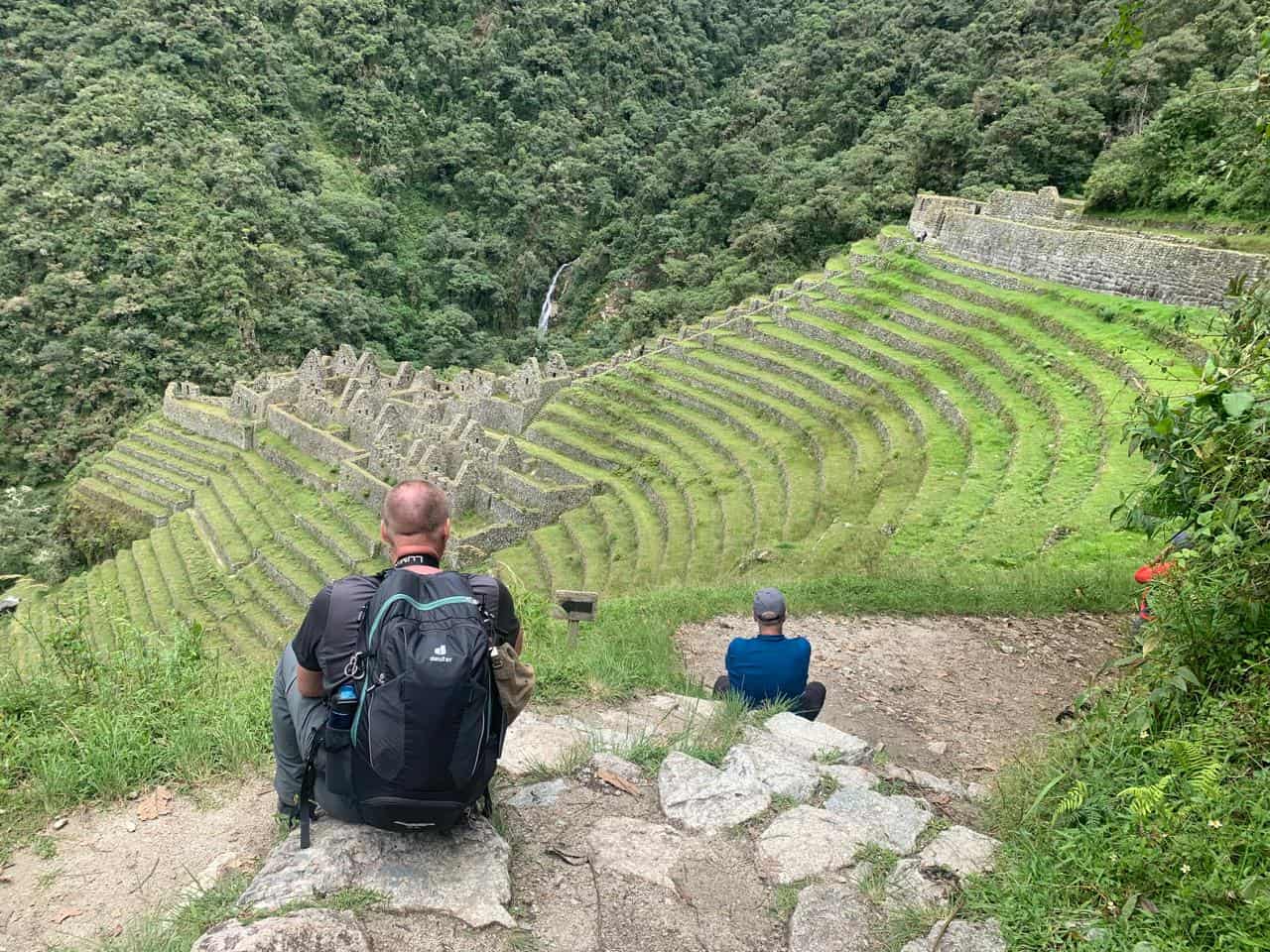
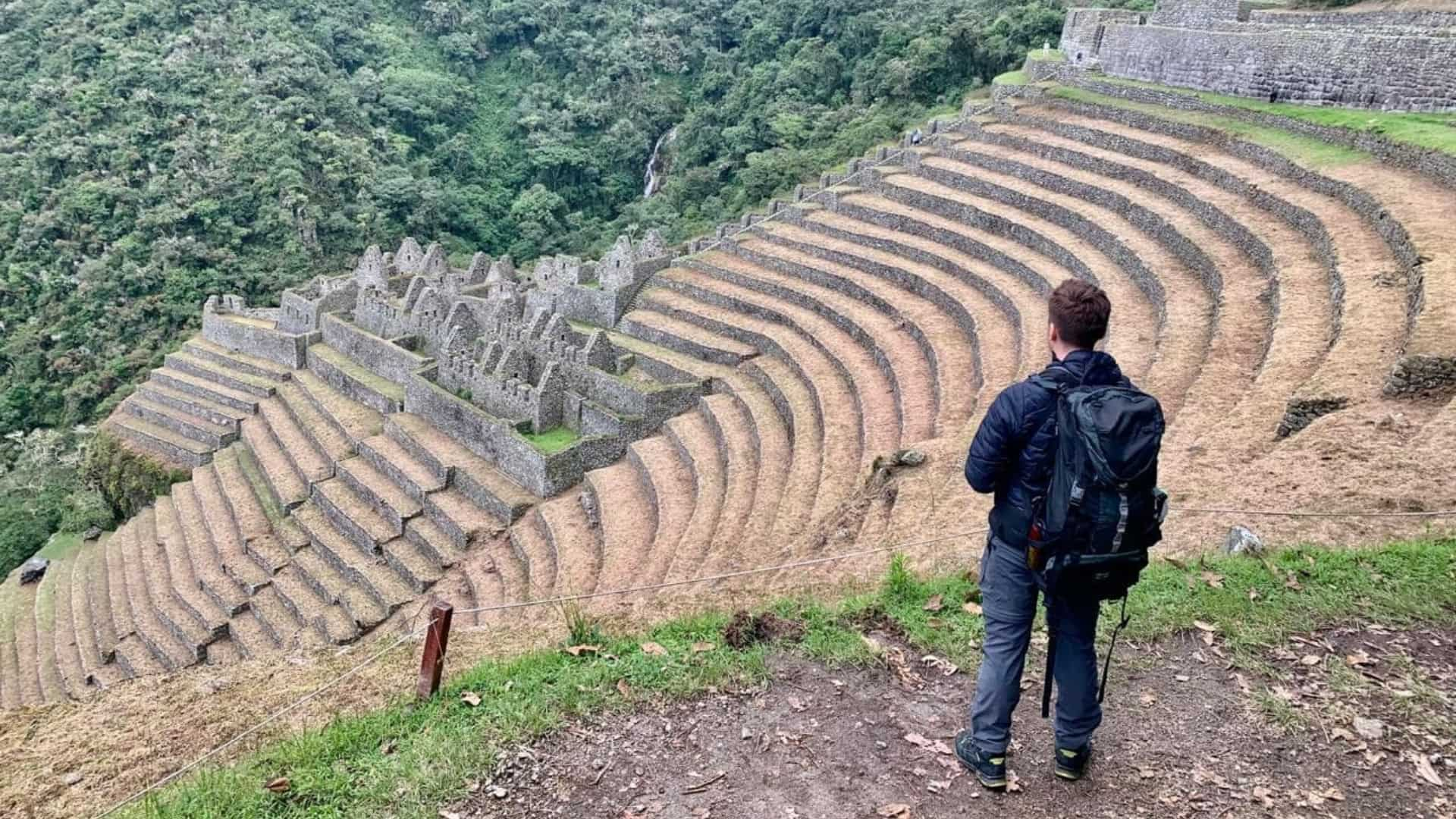
- Wiñay Wayna ruins: approximately 2,650 meters (8,694 feet)
- Sun Gate (Inti Punku): approximately 2,720 meters (8,924 feet)
- Machu Picchu citadel: approximately 2,430 meters (7,972 feet)
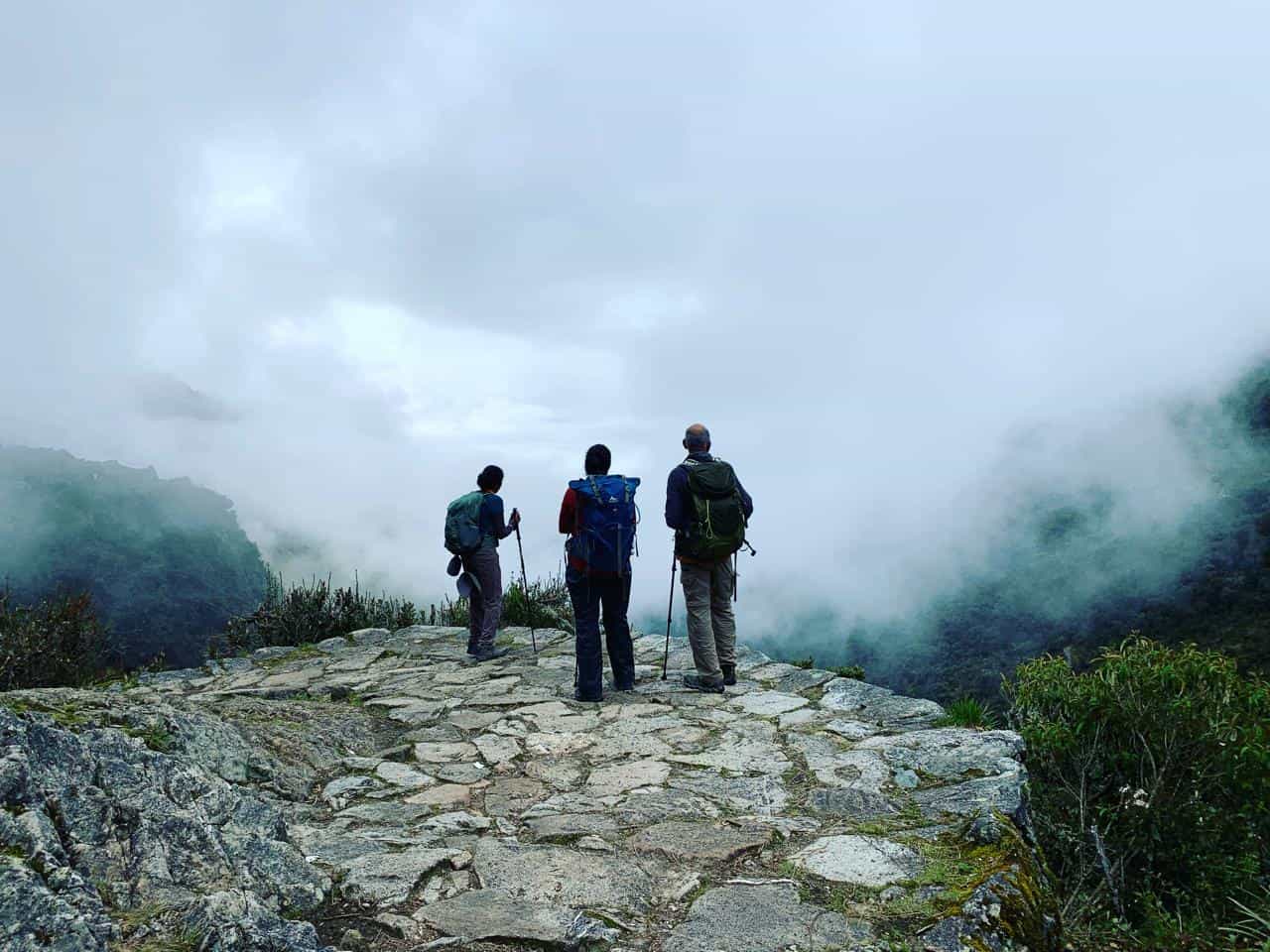
Every one of these points sits hundreds of meters above the elevation where yellow fever mosquitoes can survive. The air is crisp, the climate is temperate, and the scenery shifts between cloud forest greenery and dramatic mountain peaks.
While yellow fever is a non-issue, altitude is worth preparing for. Acclimatizing in Cusco (3,400 meters) for a day or two before your trek helps your body adjust and makes the hike far more enjoyable.
How long and how far is the 2-day Inca Trail?
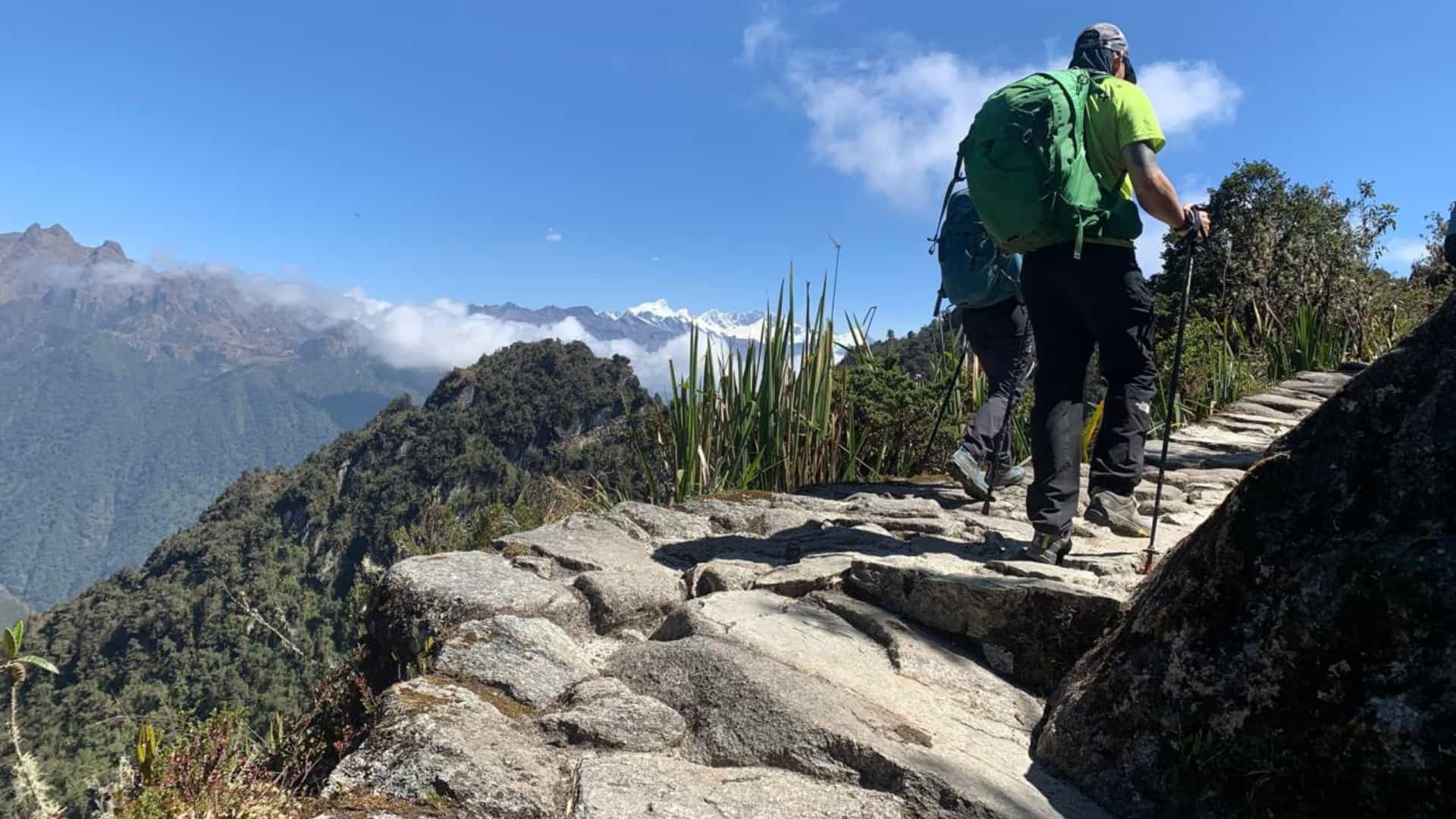
The Short Inca Trail covers about 12 kilometers (7.5 miles) of hiking on the main trekking day, starting from Km 104 along the railway line. This is the classic route that captures the most iconic stretch of the original Inca path.
Here’s how the journey typically flows:
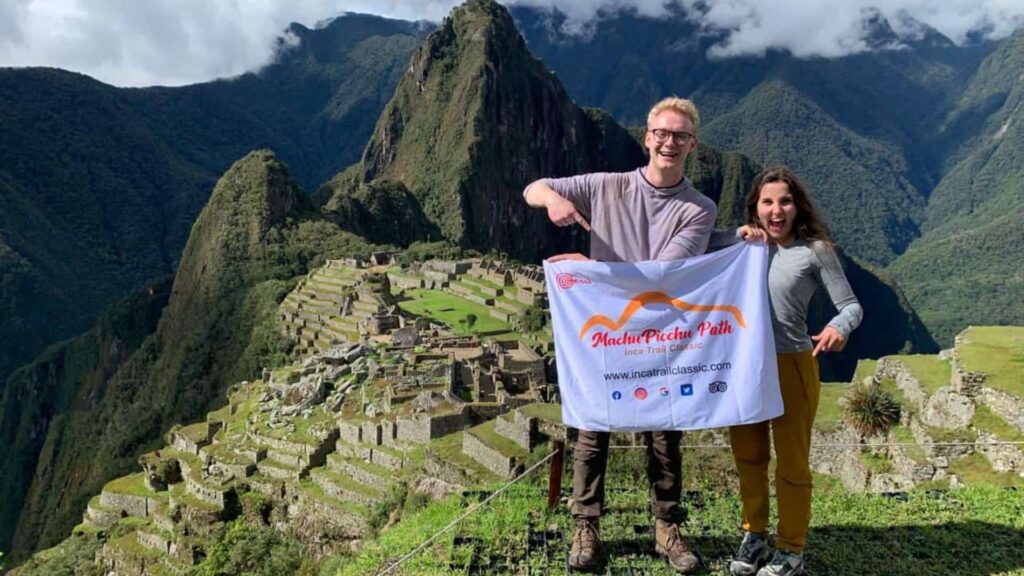
Day 1: Km 104 to Machu Picchu town
- Distance: roughly 12 km (7.5 miles)
- Hiking time: approximately 6 to 7 hours
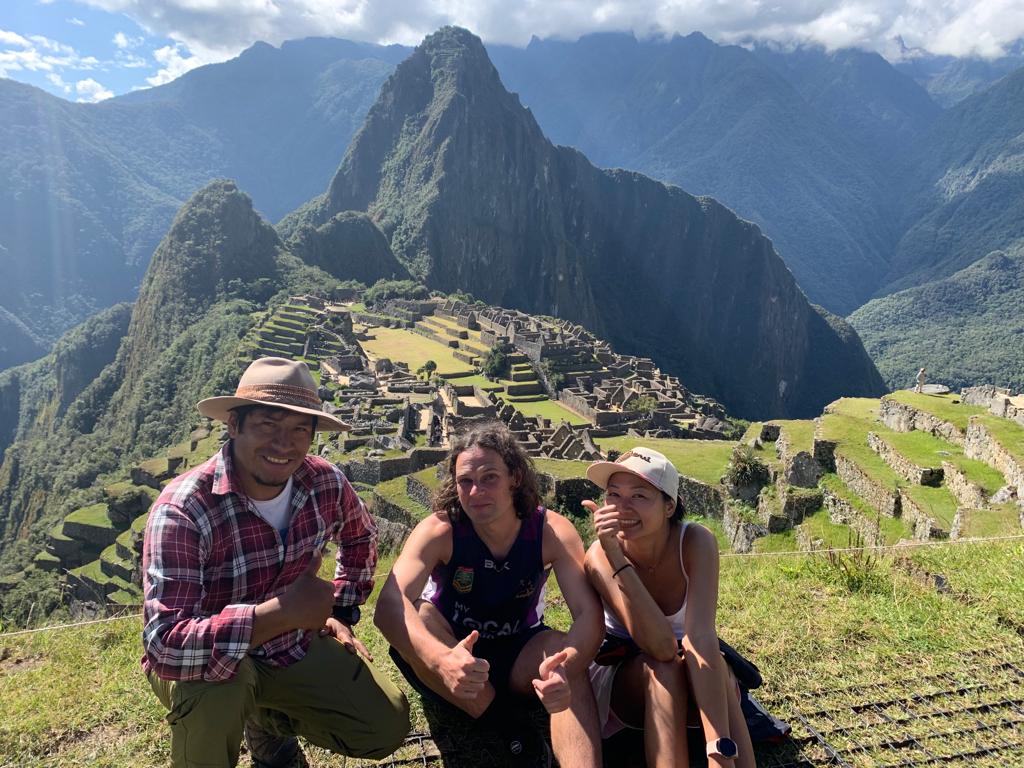
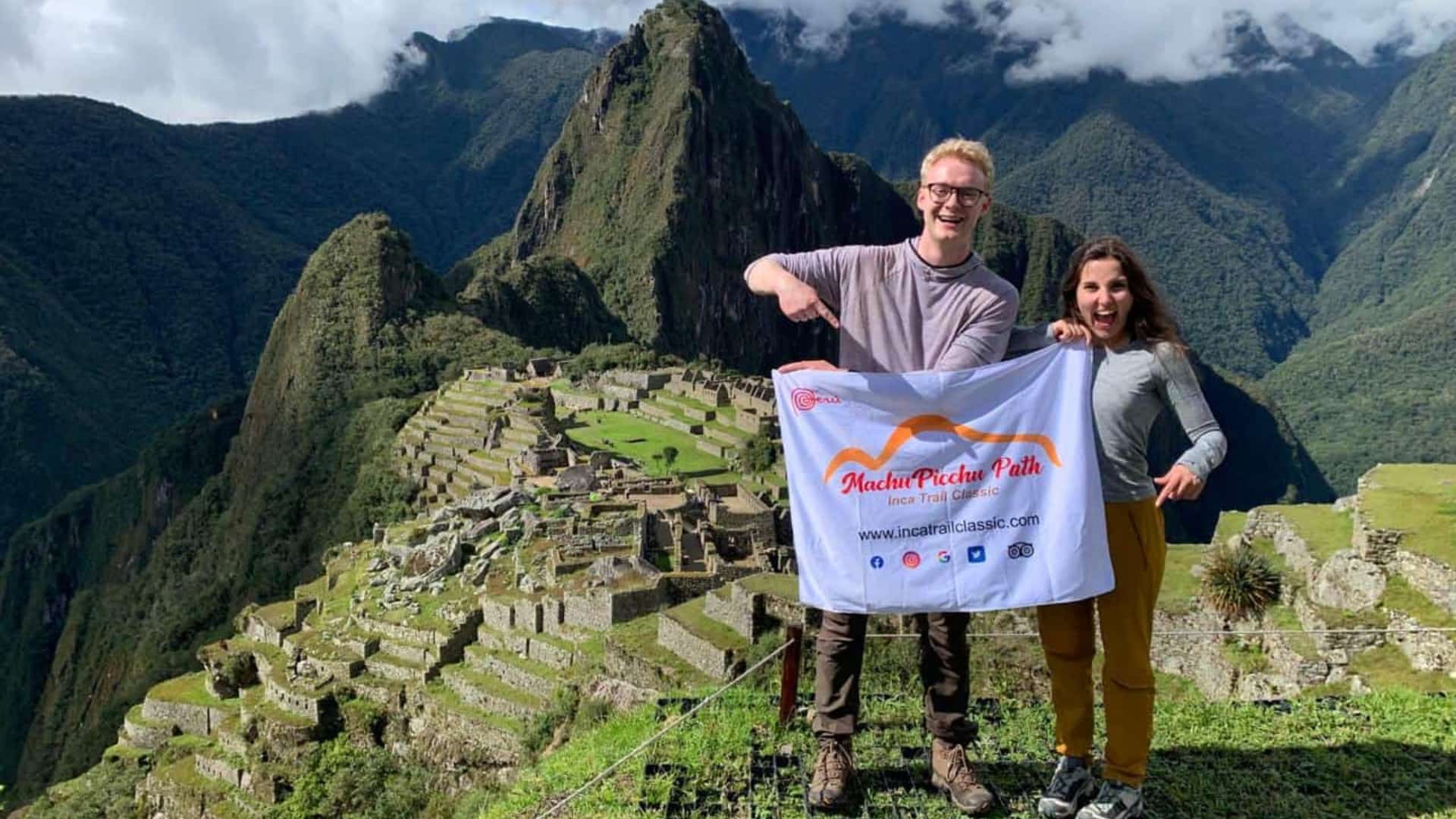
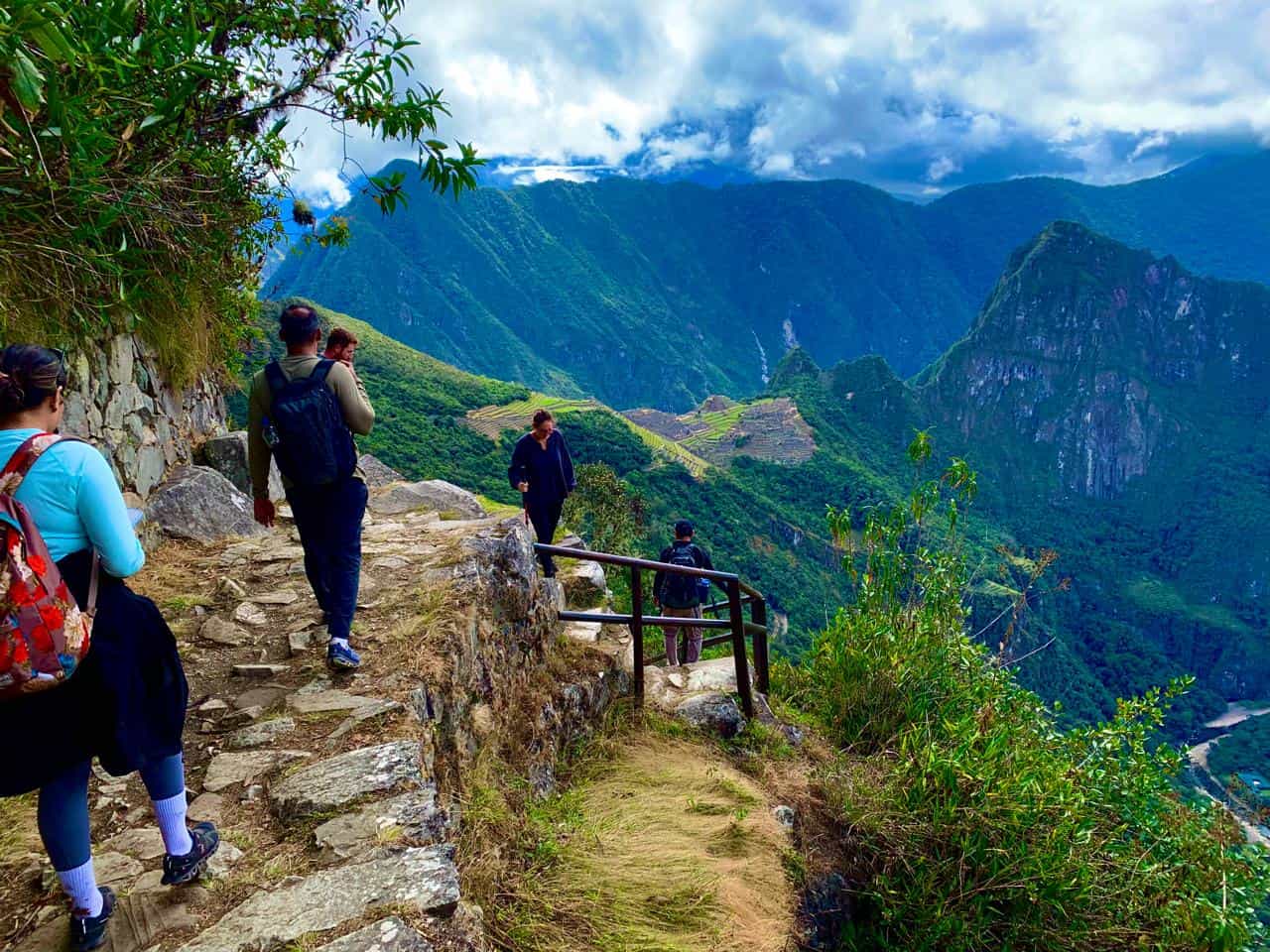
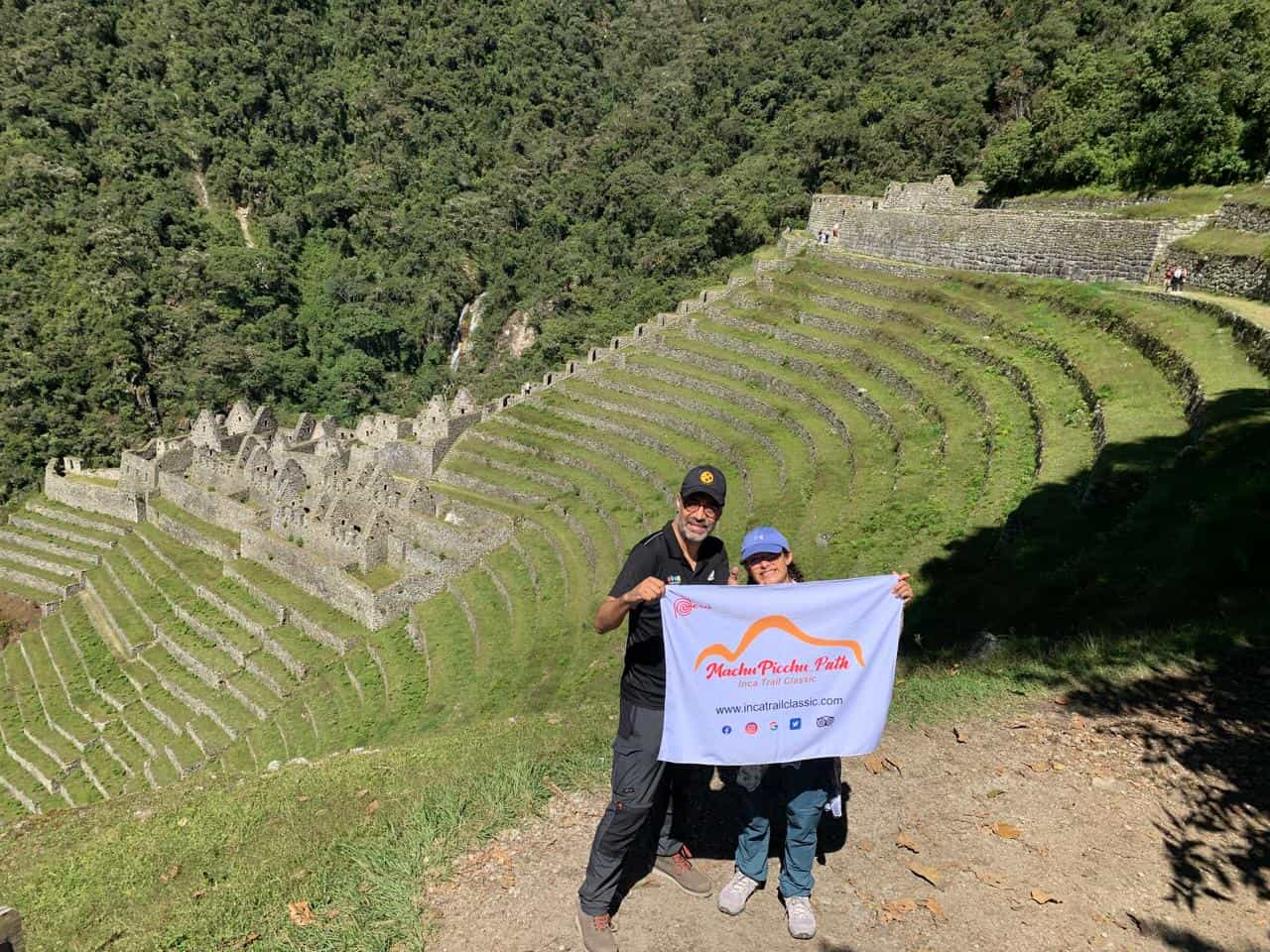
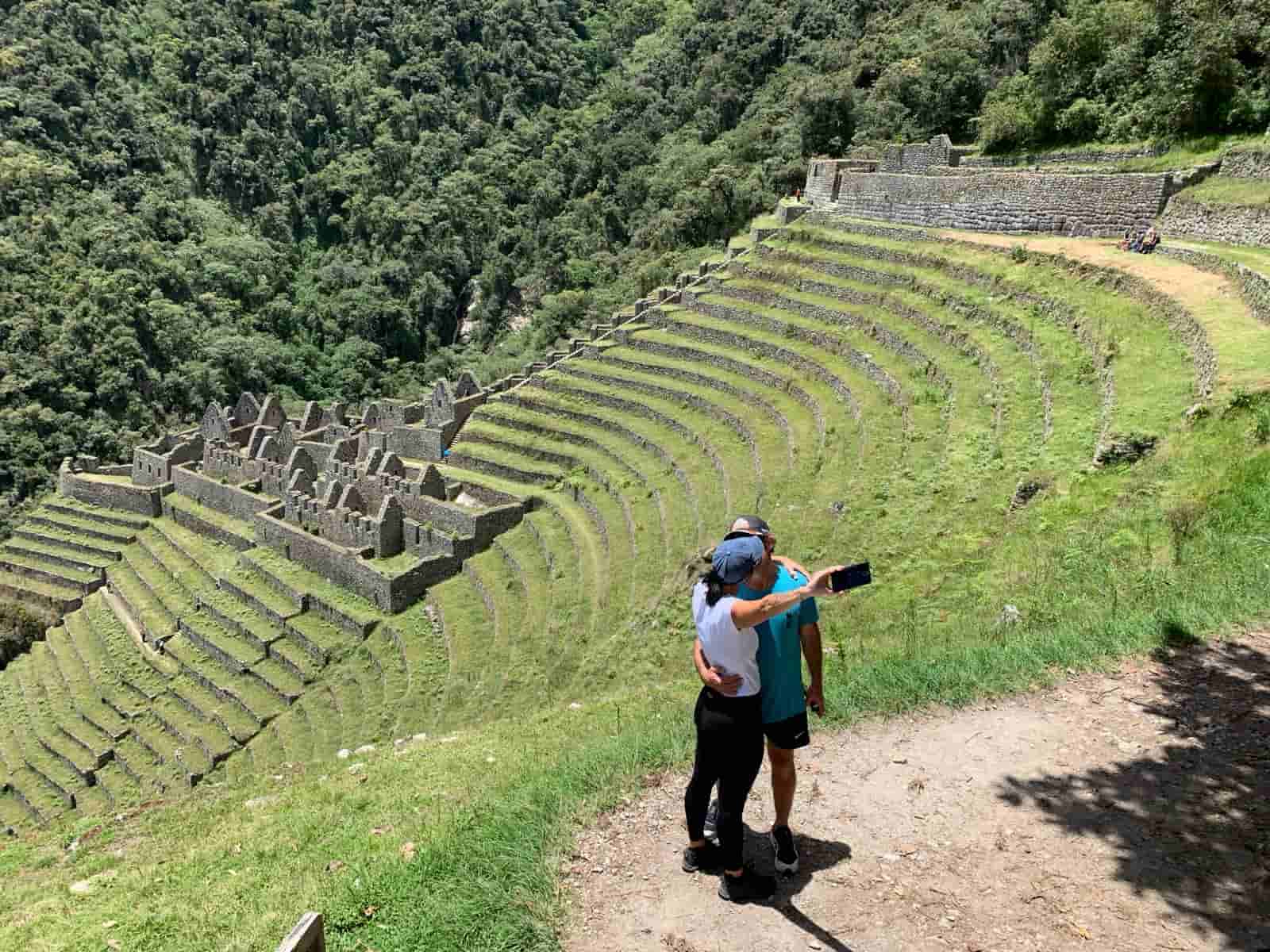
- Route: Start at Km 104, climb to the stunning Wiñay Wayna ruins, then continue to the Sun Gate (Inti Punku) for your first breathtaking view of Machu Picchu. From the Sun Gate, you descend toward the citadel before taking a bus down to Aguas Calientes (Machu Picchu town) to spend the night.
Day 2: Guided tour of Machu Picchu
- Distance: light walking within the citadel
- Time: approximately 2 to 3 hours guided tour
- Route: Return early to Machu Picchu for a full guided exploration of the temples, terraces, and plazas before catching your train back to Cusco.
The walking distance is moderate, making the Short Inca Trail an excellent choice for travelers who want the authentic trekking experience without committing to the full 4-day route.
Why is the Short Inca Trail considered safe from tropical diseases?
The Short Inca Trail is considered safe from tropical diseases because of its high-altitude Andean environment. Diseases like yellow fever, malaria, and dengue require warm, humid lowland conditions to spread. At elevations above 2,000 meters, the cool climate prevents the mosquitoes that carry these illnesses from establishing populations.
Choose the Short Inca Trail with confidence if avoiding tropical disease zones is a priority for you. The cool mountain air that makes the trek so refreshing is the very reason these illnesses pose no threat here.
That said, smart travelers still take general precautions:
- Stay hydrated to combat the effects of altitude
- Use sunscreen, as UV exposure is stronger at high elevation
- Pack layers for cool mornings and warmer afternoons
- Bring insect repellent for general comfort, even though disease-carrying mosquitoes are absent
Do I need any vaccines to hike the Short Inca Trail?
No vaccine is legally required to enter Peru or to hike the Short Inca Trail and visit Machu Picchu. The yellow fever vaccine is only recommended for travelers heading into Peru’s jungle regions, such as the Amazon, Manu National Park, or Puerto Maldonado.
If your itinerary includes both Machu Picchu and an Amazon extension, then consider the yellow fever vaccine for the jungle portion of your trip. For the Andean highlands alone, routine vaccines (such as tetanus and hepatitis) are simply good practice for any international travel.
Always consult your doctor or a travel health clinic before your trip for advice tailored to your full itinerary and medical history.
What does the Short Inca Trail trek cost?
Pricing for the Short Inca Trail varies by operator, group size, and season, but here’s a helpful general guide to set your expectations:
- Typical price range: roughly USD $450 to $700 per person
- What’s usually included: entrance permits, train tickets, a professional guide, one night’s accommodation in Aguas Calientes, bus tickets to and from the citadel, and most meals
- What’s often extra: tips for guides, some meals, and travel insurance
The Short Inca Trail offers excellent value because it packs the most spectacular section of the original trail, the Sun Gate arrival, and a full guided tour of Machu Picchu into a compact two-day adventure. Investing in a reputable operator ensures permits are handled correctly and your experience runs smoothly.
How do I book the Short Inca Trail?
Booking the Short Inca Trail takes a little planning, since permits are limited and regulated by the Peruvian government. Follow these steps to secure your spot:
- Book early. Permits are capped daily and sell out fast, especially between May and September. Aim to reserve 3 to 6 months ahead.
- Choose a licensed operator. Only authorized tour companies can secure Inca Trail permits, so book through a trusted local agency rather than trying to arrange it yourself.
- Have your passport ready. Your permit is tied to your passport details, so make sure the information matches exactly.
- Plan acclimatization days. Arrive in Cusco at least one or two days before your trek to adjust to the altitude.
- Confirm what’s included. Double-check whether train tickets, meals, and the Machu Picchu tour are part of your package.
Ready to walk in the footsteps of the Incas? Plan your dream trek to Machu Picchu with experienced local guides who handle every permit and detail so all you have to do is enjoy the adventure.
Final thoughts: hike the Short Inca Trail with peace of mind
The Short Inca Trail to Machu Picchu is one of the most rewarding short treks on the planet and yellow fever is one worry you can cross right off your list. Sitting between 2,100 and 2,720 meters, this cool Andean route lies far above the tropical zones where yellow fever exists.
With roughly 12 kilometers of breathtaking trail, a triumphant arrival through the Sun Gate, and a guided tour of the citadel, the 2-day Inca Trail delivers an unforgettable Peruvian experience. Pack your hiking boots, prepare for the altitude, and get ready to explore one of the world’s great wonders.
Your Machu Picchu adventure awaits book early, acclimatize well, and savor every step.
Frequently asked questions
Do I need a yellow fever vaccine for Machu Picchu?
No. A yellow fever vaccine is not required or recommended for Machu Picchu or the Short Inca Trail, because the route sits in high-altitude Andean terrain outside the yellow fever risk zone. The vaccine is only advised for travelers visiting Peru’s jungle regions, such as the Amazon.
How high is Machu Picchu above sea level?
Machu Picchu sits at approximately 2,430 meters (7,972 feet) above sea level. The Sun Gate (Inti Punku) is even higher, at around 2,720 meters, while the Km 104 starting point of the Short Inca Trail begins near 2,100 meters.
How many kilometers is the Short Inca Trail?
The Short Inca Trail covers about 12 kilometers (7.5 miles) of hiking on the main trekking day, starting from Km 104 and finishing at Machu Picchu via the Sun Gate. The walk takes approximately 6 to 7 hours.
Is the 2-day Inca Trail difficult?
The 2-day Inca Trail is rated moderate. The main challenge is the altitude and the climb to the Sun Gate, but the distance is manageable for travelers with reasonable fitness. Acclimatizing in Cusco beforehand makes the hike much more comfortable.
When is the best time to hike the Short Inca Trail?
The dry season from May to october offers the clearest skies and most reliable trail conditions, making it the most popular time to hike. Permits sell out quickly during these months, so book 3 to 6 months in advance.