Is There a Lower Altitude Than Cusco Before Machu Picchu?
Yes, Ollantaytambo is significantly lower than Cusco and is the perfect place to acclimatize before visiting Machu Picchu. While the city of Cusco sits at a high altitude of 11,152 feet (3,399 meters), the town of Ollantaytambo in the Sacred Valley is much lower at 9,160 feet (2,792 meters). Travelers seeking better oxygenation should skip staying in Cusco upon arrival and head directly to Ollantaytambo.
Traveling to the breathtaking Inca Citadel of Machu Picchu is a true adventure, making the journey as rewarding as the ruins themselves. However, many travelers worry about altitude sickness when arriving in the Andes mountains of Peru. If you are looking for a place with better oxygenation in the Cusco region to start your vacation, you are in the right place.
Understanding the varying elevations of the Sacred Valley is the key to an unforgettable, headache-free vacation. By making a simple adjustment to your itinerary—heading straight down into the Sacred Valley rather than sleeping in the high-altitude capital—you can safeguard your health and dive right into unique experiences designed for you by local experts. Let us guide you through everything you need to know about navigating the altitudes of Cusco and Ollantaytambo, organizing your transportation, finding the best hotels, and planning thrilling activities like horseback riding.
Understanding Altitude: Cusco vs. Ollantaytambo vs. Machu Picchu
To plan your dream trip to Machu Picchu safely, you must understand the geography of the Andes. When you fly into the region, you will land at the Alejandro Velasco Astete International Airport in Cusco.
The city of Cusco sits at a staggering elevation of 11,152 feet (3,399 meters) above sea level. At this altitude, the air is thin, and the oxygen levels are significantly lower than at sea level. Many visitors experience shortness of breath, mild headaches, or fatigue upon arrival.
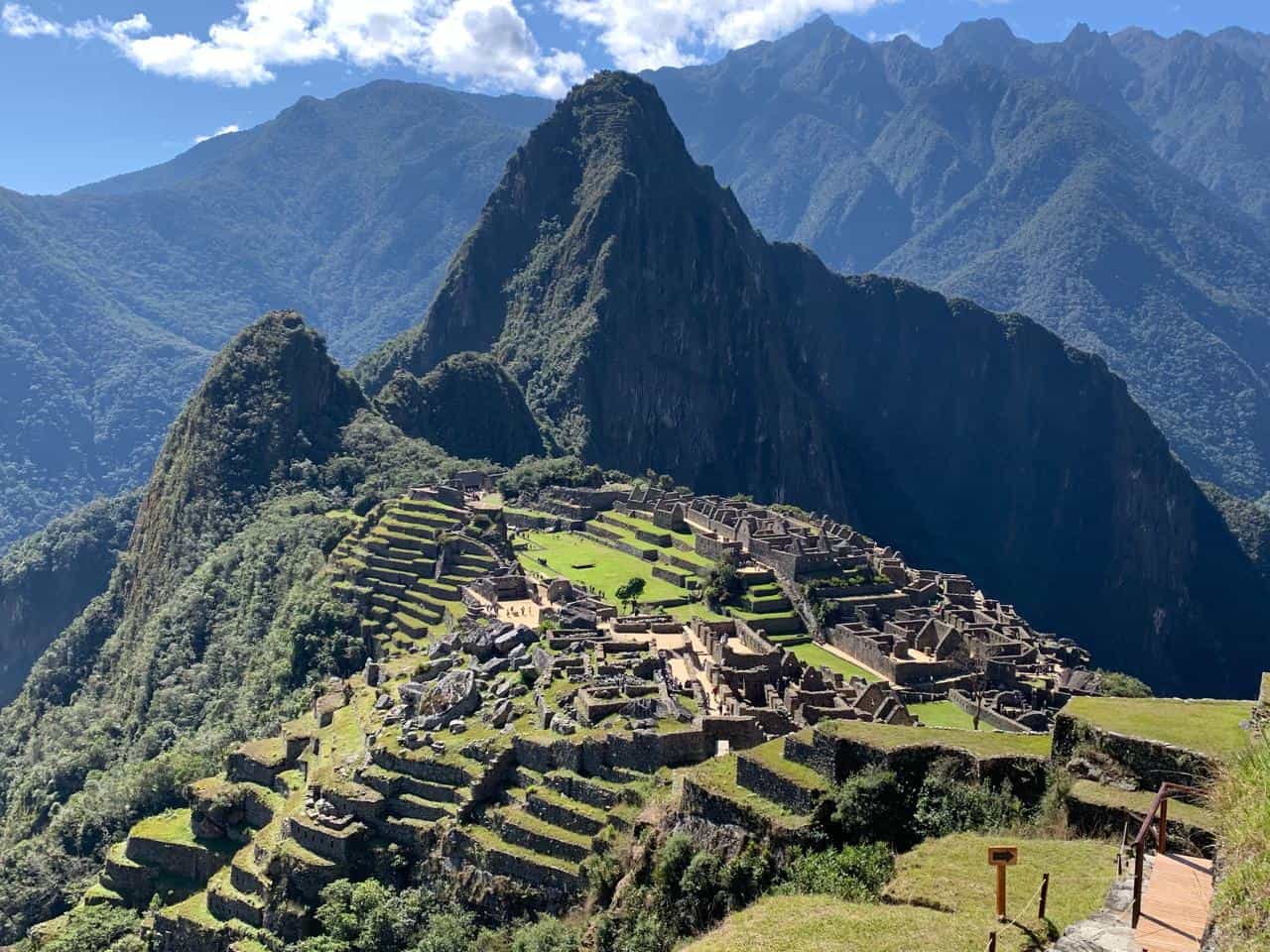
Machu Picchu, surprisingly, is located at a much lower elevation than the city of Cusco. The famous Inca ruins sit at approximately 7,972 feet (2,430 meters) above sea level.
So, is there a lower altitude than Cusco before Machu Picchu? Absolutely. The Sacred Valley of the Incas, which lies between Cusco and Machu Picchu, offers a much lower, more comfortable elevation. The town of Ollantaytambo, a major hub in the Sacred Valley and the main train station for heading to Machu Picchu, is situated at 9,160 feet (2,792 meters). This 2,000-foot drop makes a massive difference in oxygen levels and overall comfort for arriving travelers.
Choose Ollantaytambo over Cusco if acclimatization and breathing comfortably are your top priorities during your first few days in Peru.
Why You Should Skip Cusco and Head Straight to Ollantaytambo
Many standard travel itineraries suggest spending a few days in Cusco before heading to the Sacred Valley and Machu Picchu. However, for travelers seeking better oxygenation, this is the exact opposite of what you should do.
Here is why you should bypass the city of Cusco on your first day and travel directly to Ollantaytambo:
1. Immediate Relief for Your Lungs
By descending directly into the Sacred Valley upon landing, you allow your body to acclimatize at a gentler, more manageable altitude. The elevation of Ollantaytambo provides thicker air and more oxygen, drastically reducing the risk of altitude sickness (soroche).
2. A More Relaxing Environment
Cusco is a bustling, vibrant city filled with traffic, steep cobblestone streets, and a fast-paced environment. Walking up steep hills at 11,152 feet can be exhausting. Ollantaytambo, by contrast, is a tranquil, authentic Inca village. The streets are relatively flat, the atmosphere is serene, and you can rest peacefully to the sound of the Patacancha River.
3. Proximity to Machu Picchu Trains
Ollantaytambo is home to the primary train station for PeruRail and Inca Rail services heading to Aguas Calientes (the town at the base of Machu Picchu). By basing yourself here, you are already perfectly positioned for your journey to the Inca Citadel. You can wake up, enjoy a hearty breakfast, and catch your train without the stress of a two-hour drive from Cusco on the morning of your tour.
How to Get to Ollantaytambo from the Cusco Airport
Getting from the Cusco airport to Ollantaytambo is straightforward, offering beautiful scenery along the way. The journey takes approximately 1.5 to 2 hours by car, winding through the breathtaking landscapes of the Sacred Valley, past snow-capped peaks and agricultural terraces.
Private Taxi or Transfer
The most comfortable and professional option is to book a private transfer or take an official airport taxi. A private car allows you to stop for photos at viewpoints like the Taray Viewpoint or stretch your legs at the artisan market in Pisac. A private transfer typically costs between $35 and $50 USD per vehicle.
Shared Minivans (Colectivos)
If you are traveling on a budget, you can take a shared minivan, known locally as a «colectivo.» You will need to take a quick 10-minute taxi from the airport to the «Pavitos» bus terminal in Cusco. From Pavitos, colectivos leave for Ollantaytambo regularly once they fill up. The journey costs around 10 to 15 Peruvian Soles (about $3 to $4 USD) per person.
Where to Stay: Finding the Perfect Hotel in Ollantaytambo
Ollantaytambo offers a fantastic range of accommodations to suit every traveler, from budget-friendly hostels to luxurious boutique lodges. Staying in a hotel in Ollantaytambo guarantees a peaceful night’s sleep with better oxygenation.
Luxury and Boutique Hotels
For those looking to indulge, there are beautiful eco-lodges and boutique hotels located near the train station and the ruins. These hotels often feature lush gardens, organic dining options, and stunning views of the surrounding mountains. Expect to pay between $120 and $250 USD per night. Many of these premium accommodations also offer oxygen-enriched rooms upon request to further assist with acclimatization.
Mid-Range Comfort
Travelers seeking comfortable, authentic experiences will find a variety of mid-range hotels built into historic colonial and Inca foundations. These charming hotels provide hot showers, comfortable beds, excellent customer service, and hearty breakfasts to fuel your daily adventures. Mid-range hotels typically cost between $50 and $100 USD per night.
Budget Hostels and Guesthouses
Backpackers and budget-conscious explorers can find clean, welcoming guesthouses (hospedajes) operated by local families. These options cost between $27 and $45 USD per night and offer a wonderful opportunity to connect with the local culture.
What to Do in Ollantaytambo Before Your Machu Picchu Tour
Ollantaytambo is not just a transit hub; it is a fascinating destination in its own right. Known as the last living Inca town, its residents still live in original Inca stone enclosures and water continues to flow through ancient aqueducts lining the streets.
Before you head to Machu Picchu, spend a day or two exploring these unique experiences in Ollantaytambo:
1. Explore the Ollantaytambo Archaeological Park
Climb the impressive terraces of the Ollantaytambo ruins, which served as both a temple and a fortress. This site was the location of a major Inca victory against the Spanish conquistadors. The stonework at the Temple of the Sun is spectacular, and the views of the valley from the top are unmatched.
2. Enjoy Horseback Riding (Cabalgatas en Caballos)
One of the most thrilling and memorable ways to explore the Sacred Valley is by horseback. Local experts offer guided horseback riding tours (cabalgatas) that take you off the beaten path. You can ride Peruvian Paso horses through ancient agricultural terraces, along the Urubamba River, and up to lesser-known archaeological sites like Pumamarca. Sungate in Cachiccata, This activity requires minimal physical exertion, making it an excellent choice while your body continues to acclimatize to the altitude.
3. Hike to the Pinkuyllana Granaries
Look up at the mountain directly facing the main ruins, and you will see ancient storehouses clinging to the cliffside. The hike up to the Pinkuyllana granaries is free, takes about an hour round-trip, and offers the best panoramic photos of the Ollantaytambo fortress and the town below.
4. Wander the Cobblestone Streets and Markets
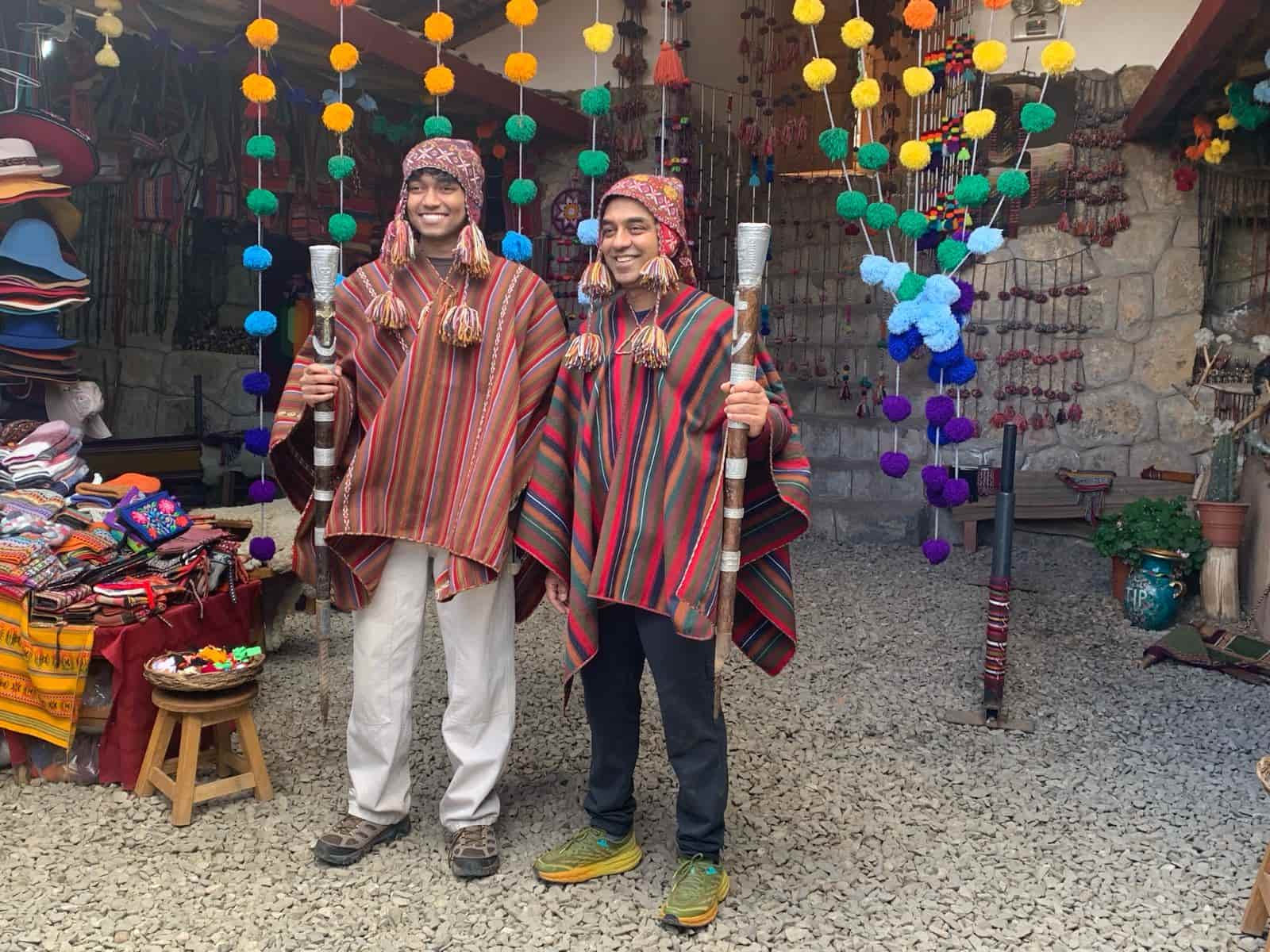
Take the time to simply walk around the town. Visit the local market to see vibrant textiles, taste exotic fruits, and purchase authentic souvenirs. Sit in a cafe on the main plaza and enjoy a cup of fresh Peruvian coffee while watching the world go by. You can experience authentic Andean cuisine by becoming part of this ancient culinary tradition. Join a local cooking experience organized with local families and travel agencies, where you will prepare traditional dishes together. It’s also a great opportunity to share daily life with local families, enjoy cultural exchange, and even practice a little Spanish while cooking and learning about Andean culture.
Estimated Costs and Prices for Your Ollantaytambo Trip
To help you plan your dream trip effectively, here is a general breakdown of the estimated costs and prices you can expect when staying in Ollantaytambo:
- Transportation from Cusco Airport: $35 to $50 USD for a private taxi; $3 to $4 USD for a shared colectivo.
- Hotel Accommodation: $27 to $45 USD (budget), $50 to $100 USD (mid-range), $120+ USD (luxury) per night.
- Meals: $5 to $10 USD for a local lunch menu; $15 to $30 USD for a gourmet dinner at a high-end restaurant.
- Ollantaytambo Ruins Entry: You must purchase a Cusco Tourist Ticket (Boleto Turístico). The partial ticket (valid for two days and covers Ollantaytambo, Pisac, Chinchero, and Moray) costs 70 Peruvian Soles (about $19 USD). The full ticket costs 130 Soles (about $35 USD).
- Horseback Riding Tour: A full-day horseback riding adventure typically costs between $45 and $80 USD per person, depending on the duration and the route.
Essential Tips for Travelers Seeking Better Oxygenation in Peru
We specialize in guiding small groups through the Andean lands of Peru, and we want to ensure your journey is safe and comfortable. Follow these professional tips to maximize your oxygenation and minimize altitude sickness:
- Descend Immediately: As emphasized, hire a taxi to drive you straight from the Cusco airport to Ollantaytambo (2,792 meters) upon arrival.
- Stay Hydrated: Drink plenty of water. The high-altitude air is incredibly dry, and staying hydrated helps your body transport oxygen more efficiently.
- Drink Coca Tea: Accept the complimentary mate de coca (coca leaf tea) offered at your hotel. This traditional Andean remedy is excellent for settling the stomach and alleviating mild altitude symptoms.
- Eat Light Meals: Digestion slows down at high altitudes. Avoid heavy, fatty foods on your first couple of days. Stick to light soups, chicken, and quinoa.
- Rest: Resist the urge to do a strenuous hike on day one. Spend your first day resting, walking slowly, and enjoying low-impact activities like horseback riding.
- Consult Your Doctor: If you have a history of heart or lung issues, speak with your doctor before traveling. They may prescribe acetazolamide (Diamox) to help prevent altitude sickness.
Your Dream Trip to the Sacred Valley Starts Here
Traveling through the heart of the Inca Empire should be a joyous, awe-inspiring experience, not one hindered by health struggles. By choosing to bypass the high altitude of Cusco and heading directly to the welcoming, lower elevation of Ollantaytambo, you are setting yourself up for success. You can breathe easily, sleep comfortably, and dive into authentic cultural experiences like horseback riding and exploring ancient fortresses.
Let’s plan your dream trip to Machu Picchu today. Explore your options, book your transport to the Sacred Valley, and get ready for an adventure you will cherish forever.
Frequently Asked Questions About the Sacred Valley Altitude
Is Ollantaytambo better for altitude sickness than Cusco?
Yes. Ollantaytambo is situated at 9,160 feet (2,792 meters), which is roughly 2,000 feet lower than Cusco at 11,152 feet (3,399 meters). This lower elevation offers more oxygen and a much lower risk of altitude sickness, making it the ideal place to acclimatize.
How long does it take to drive from Cusco to Ollantaytambo?
The drive from the Cusco airport to Ollantaytambo takes approximately 1.5 to 2 hours by car. You can travel via private taxi or shared colectivo through the scenic Sacred Valley.
Can I do a horseback riding tour in Ollantaytambo?
Absolutely. Horseback riding (cabalgatas) is a popular and highly recommended activity in Ollantaytambo. It allows you to explore the stunning landscapes and lesser-known ruins of the Sacred Valley without exerting yourself physically while you acclimatize.
Is Machu Picchu lower in altitude than Cusco?
Yes, Machu Picchu is significantly lower than Cusco. Machu Picchu sits at an elevation of 7,972 feet (2,430 meters), whereas Cusco is located at 11,152 feet (3,399 meters). Travelers who acclimatize in Ollantaytambo will find the altitude at Machu Picchu very comfortable.
What is the cost of a private taxi from Cusco to Ollantaytambo?
A private taxi or transfer from the Alejandro Velasco Astete International Airport in Cusco directly to a hotel in Ollantaytambo generally costs between $35 and $50 USD, depending on the vehicle size and the company.
👉 Book your adventure directly with a trusted local travel company.