Inca Trail 2026: Availability, Costs & How to Book Before It Sells Out
Inca Trail Availability 2026 is already becoming one of the most searched topics among travelers planning a trek to Machu Picchu. The Classic 4-Day Inca Trail is fully booked through November 2026, while The 2-Day Inca Trail to Machu Picchu is sold out through July 2026. With only 500 permits issued daily on the Classic route including trekkers, guides, and porters Inca Trail availability is extremely limited, making early reservations essential.
Every year, thousands of travelers check Inca Trail availability before planning their trip to Peru. The famous trail offers one of the world’s most unforgettable hiking experiences, combining ancient Inca pathways, breathtaking mountain scenery, cloud forests, archaeological sites, and the unique opportunity to enter Machu Picchu through the legendary Sun Gate (Inti Punku).
Due to the growing popularity of both the Classic Inca Trail 4 Days and the Short Inca Trail 2 Days, Inca Trail permits for 2026 are selling out faster than ever. Travelers who want to secure their preferred departure dates should monitor Inca Trail availability 2026 and book as early as possible.
In this guide, you’ll find the latest information about Inca Trail availability, permit availability, route options, trekking distances, costs, and how to reserve your place on one of Peru’s most iconic adventures before permits sell out completely.
What Is the Current Inca Trail Availability for 2026?
The Peruvian Ministry of Culture strictly regulates the number of daily permits issued on both Inca Trail routes to protect the ecological and archaeological integrity of the trail. Here’s the current availability status:
- Classic 4-Day Inca Trail: Fully booked through November 2026
- 2-Day Inca Trail (Short Inca Trail): Fully booked through July 2026
These figures reflect just how popular Inca Trail hiking has become. The 4-Day route has historically sold out months in advance, but selling out through November this early in the year signals unprecedented demand. The 2-Day route, long considered a more accessible alternative, is experiencing the same pressure.
The bottom line? If you’re hoping to hike either route in 2026, act now. Cancellations do occasionally open up, but relying on last-minute availability is a gamble most travelers shouldn’t take.
4-Day Classic Inca Trail vs. 2-Day Short Inca Trail: A Complete Comparison
Not sure which route suits you best? Here’s a detailed breakdown of both options to help you decide.
How far is the Classic 4-Day Inca Trail, and what makes it so iconic?
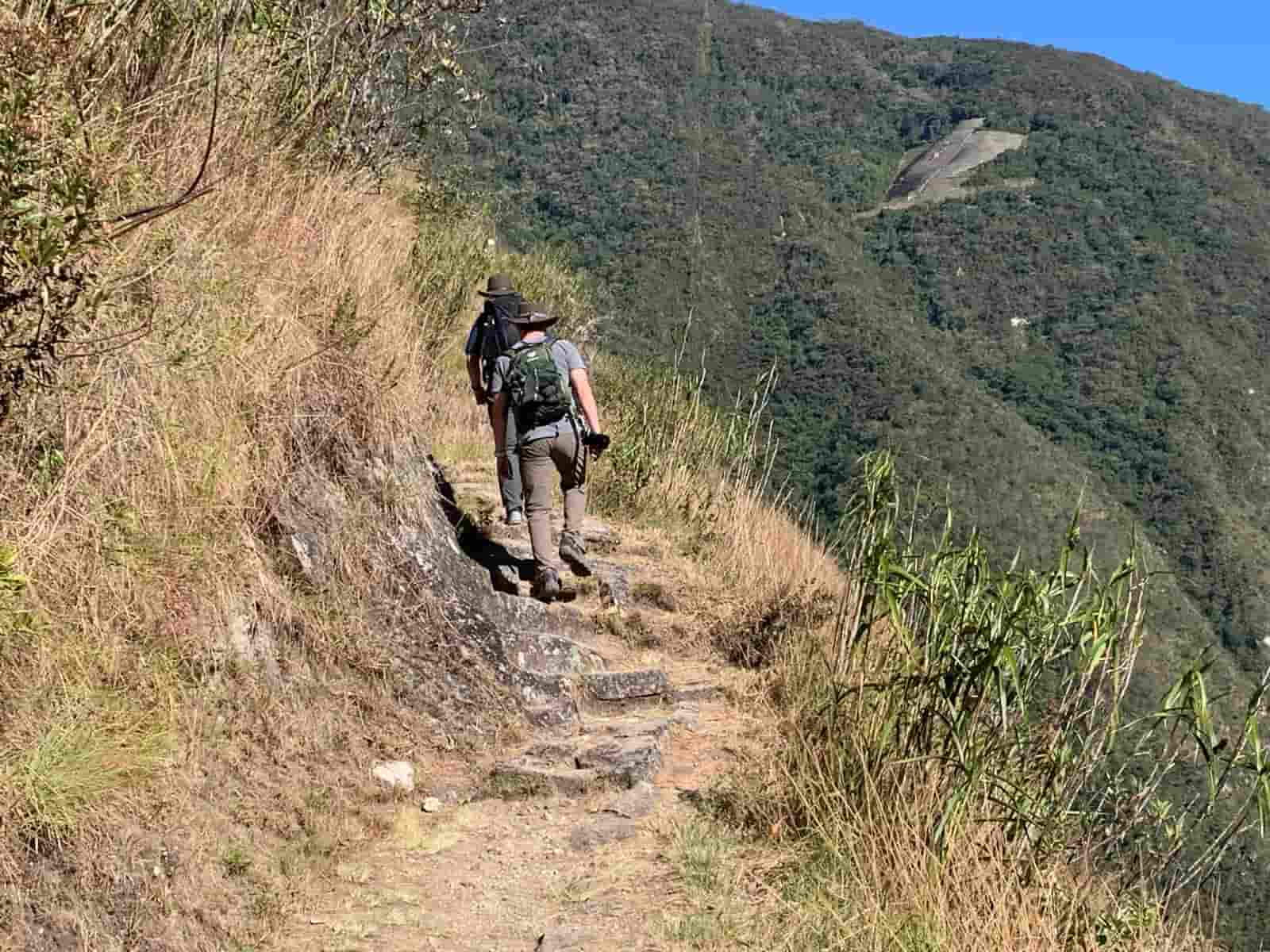
The Classic 4-Day Inca Trail is the gold standard of Andean trekking. Stretching approximately 43 kilometers (26.7 miles) from Km 82 near Ollantaytambo to the Sun Gate (Inti Punku) above Machu Picchu, this route takes hikers through an extraordinary range of landscapes and ecosystems.
Key facts:
- Distance: ~43 km (26.7 miles)
- Duration: 4 days, 3 nights (camping)
- Highest point: Dead Woman’s Pass (Warmiwañusca) at 4,215 meters (13,828 feet)
- Daily hiking: 8–12 hours on more demanding days
- Difficulty: Moderate to challenging
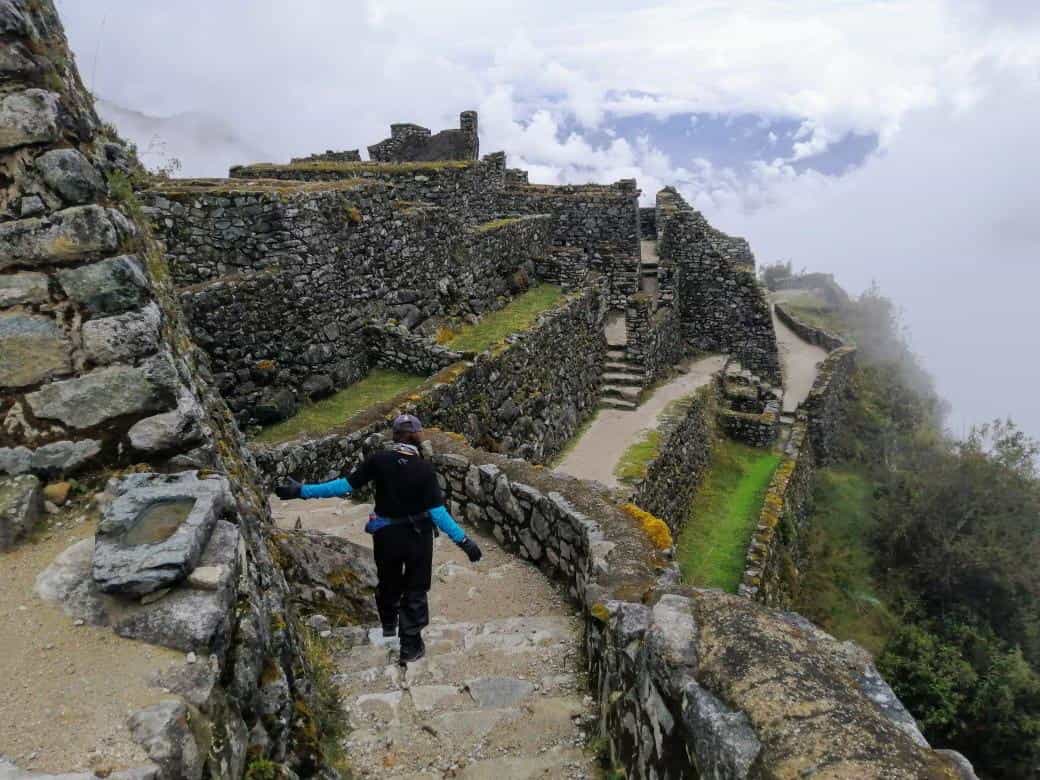
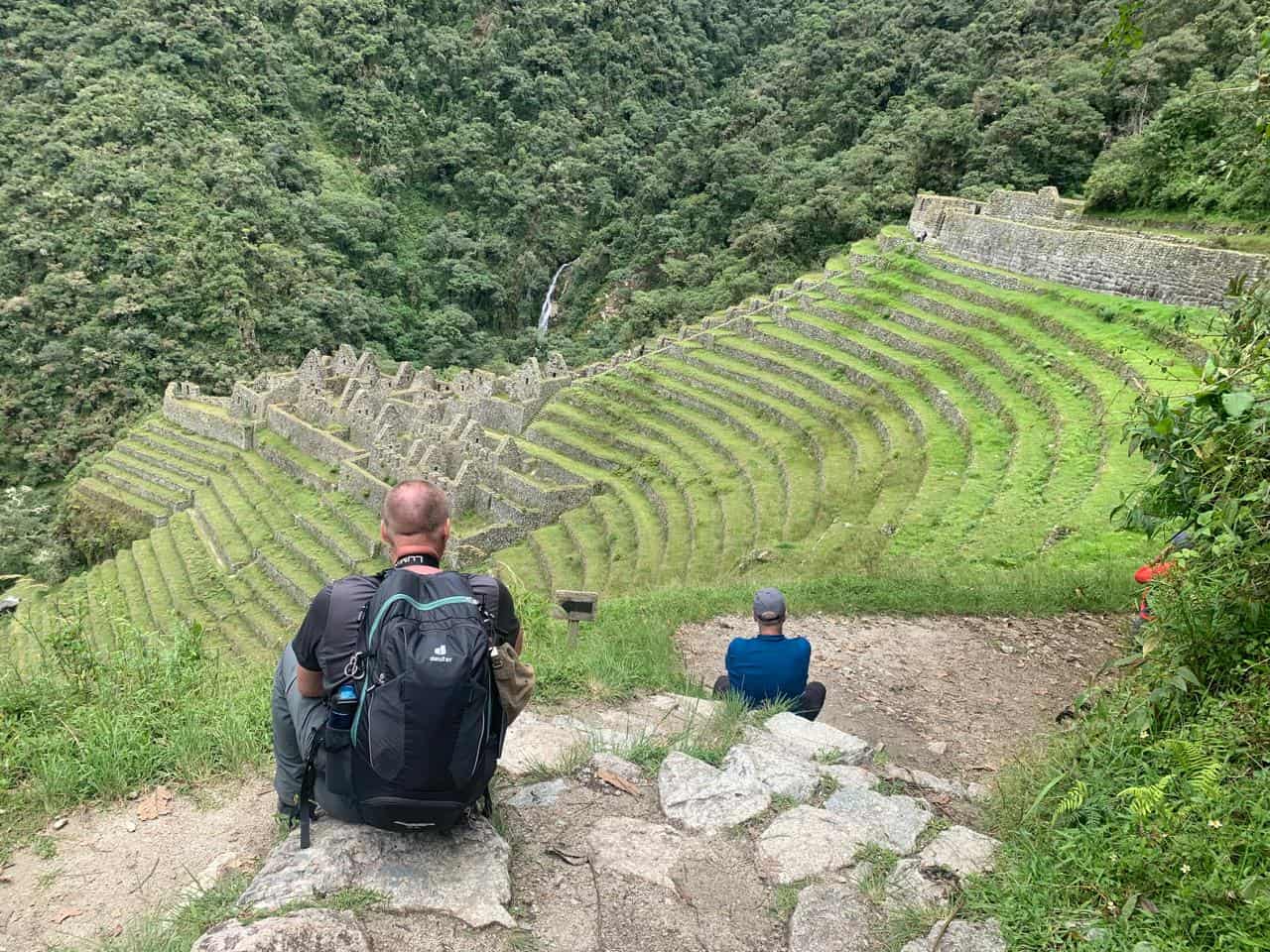
The trail passes through cloud forests draped in orchids and bromeliads, high-altitude puna grasslands, and subtropical jungle. Along the way, hikers visit remarkable archaeological sites including Runkurakay, Sayaqmarka, Phuyupatamarka, and Wiñay Wayna—a beautifully preserved Inca site just a few hours from Machu Picchu. The journey culminates at the Sun Gate at sunrise on Day 4, offering a panoramic first view of Machu Picchu that hikers describe as genuinely life-changing.
How far is the 2-Day Short Inca Trail, and why is it growing in popularity?
The 2-Day Inca Trail has become one of the most sought-after treks in South America—and for good reason. Offering the magic of the original Inca path without the multi-day commitment, this route appeals to travelers with limited time, lower fitness levels, or those who simply want to experience the grandeur of Machu Picchu on foot.
Key facts:
- Distance: 12 km (7.5 miles)
- Duration: 2 days, 1 night (camping or lodge options available)
- Highest point: Approximately 2,730 meters (8,957 feet)
- Daily hiking: 4–6 hours
- Difficulty: Easy to moderate
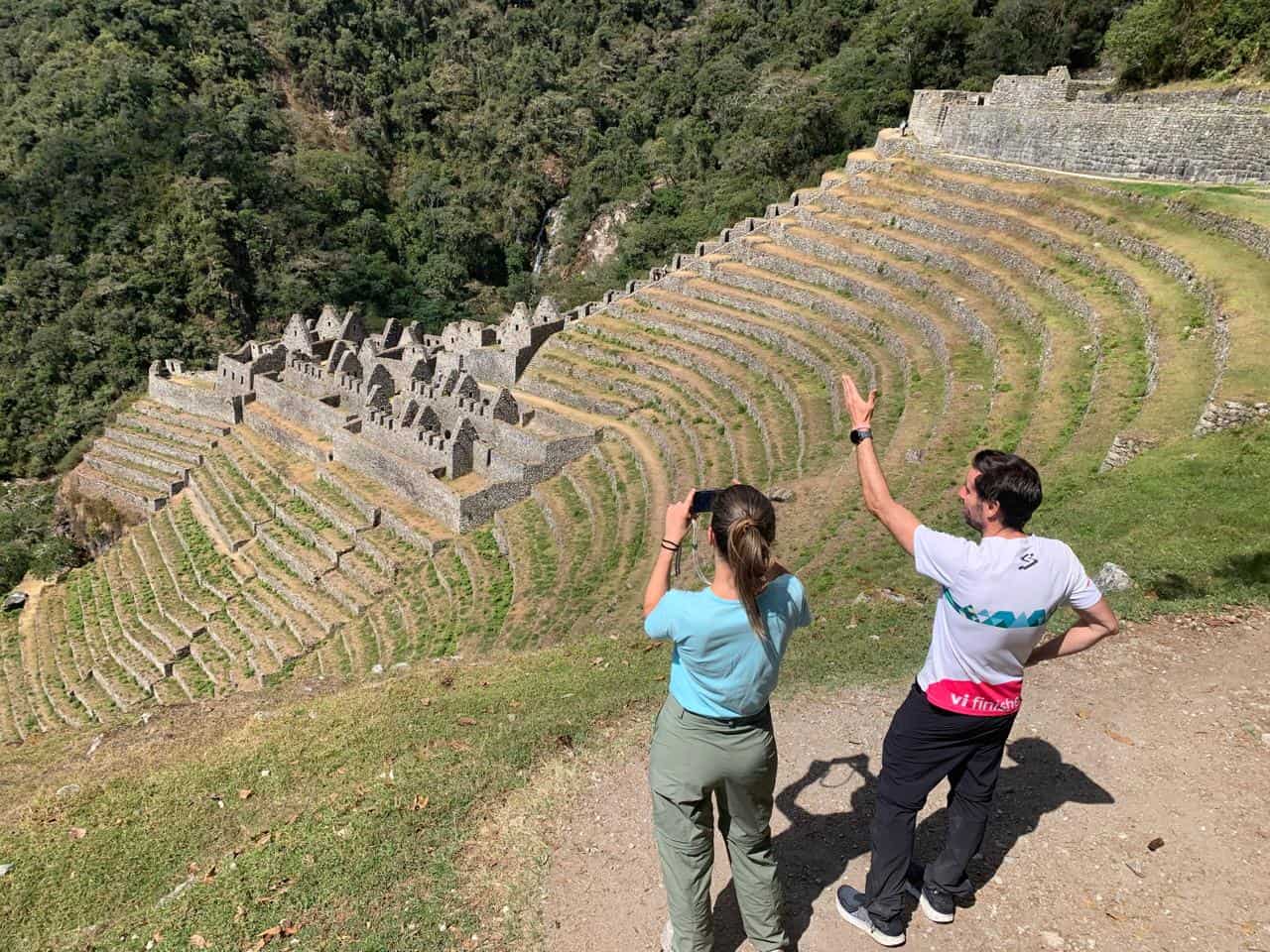
Starting at Km 104, the 2-Day route joins the Classic trail at Chachabamba, passes through the stunning ruins of Wiñay Wayna, and arrives at the Sun Gate for the iconic first view of Machu Picchu. Hikers then descend into the citadel for a full guided tour.
The 2-Day Inca Trail to Machu Picchu has surged in popularity for several reasons:
- It’s accessible to a wider range of fitness levels and ages
- It covers the most scenic and archaeologically rich section of the original trail
- It still delivers the iconic Sun Gate arrival experience
- It requires fewer days away from work or family
- Permits, while limited, are slightly easier to obtain than Classic trail spots
4-Day vs. 2-Day Inca Trail: Side-by-Side Comparison
|
Feature |
4-Day Classic |
2-Day Short |
|---|---|---|
|
Distance |
~43 km |
12 km |
|
Duration |
4 days / 3 nights |
2 days / 1 night |
|
Max Elevation |
4,215 m (13,828 ft) |
2,730 m (8,957 ft) |
|
Daily Walking |
8–12 hours |
5–7 hours |
|
Difficulty |
Moderate–Challenging |
Easy–Moderate |
|
Campsites |
3 nights camping |
1 night camping or Hotel |
|
Key Sites Visited |
Multiple Inca ruins |
Wiñay Wayna + Sun Gate |
|
Permit Availability |
Sold out to November 2026 |
Sold out to July 2026 |
Choose the 4-Day Classic Inca Trail if immersion, challenge, and a full archaeological experience matter more to you than convenience. This route is for hikers who want the complete Inca Trail journey.
Choose the 2-Day Short Inca Trail if time constraints, altitude concerns, or fitness levels are a priority without compromising on the magic of walking the original Inca path to Machu Picchu.
What Will You See Along the Inca Trail to Machu Picchu?
Both routes offer extraordinary scenery, but the Classic trail delivers greater variety and depth.
Archaeological highlights along the Inca Trail
- Llaqtapata (Day 1, 4-Day): A large Inca complex visible across the valley near the trail’s starting point
- Runkurakay (Day 2, 4-Day): A circular Inca site perched on a ridge with sweeping valley views
- Sayaqmarka (Day 2, 4-Day): A dramatic «Inaccessible Town» built on a narrow promontory
- Phuyupatamarka (Day 3, 4-Day): The «Town in the Clouds,» surrounded by ritual baths and mist
- Wiñay Wayna (Day 3–4 / Both routes): One of the best-preserved Inca complexes on the entire trail, featuring terraces, ceremonial fountains, and residential structures
- Inti Punku – Sun Gate (Both routes): The original entrance to Machu Picchu, used by Inca travelers centuries ago. Arriving here at dawn, with the citadel emerging through clouds below, is a defining travel moment
Natural landscapes and ecosystems
The Classic trail crosses four distinct ecological zones from dry montane scrub near Km 82 to cloud forest teeming with hummingbirds, orchids, and mosses, up through exposed high-altitude grasslands, and back down into dense subtropical jungle near Machu Picchu. The biodiversity alone makes the 4-Day route worth every step.
How Much Does the Inca Trail Cost in 2026?
Inca Trail costs vary depending on the operator, the route, and the level of service included. Here’s a realistic pricing guide:
4-Day Classic Inca Trail cost
- Budget operators: From $750–$920 USD per person
- Mid-range operators: $990–$1,300 USD per person
- Premium/small group operators: $1,300–$1,800+ USD per person
Inclusions typically cover the government permit, a licensed bilingual guide, porters, all meals on trail, camping equipment, and entrance to Machu Picchu.
2-Day Short Inca Trail cost
- Budget operators: From $450–$550 USD per person
- Mid-range operators: $600–$900 USD per person
- Premium operators: $900–$1,200+ USD per person
The 2-Day route has become increasingly popular as a value-for-money option, offering a comparable arrival experience at a lower cost and with a shorter time commitment.
Note: Government permit fees are set by the Peruvian Ministry of Culture and are non-negotiable. The Classic permit costs approximately $200 USD, and the 2-Day permit costs approximately $90 USD, both included in operator pricing.
How to Book the Inca Trail for 2026
Given the current sold-out status across both routes, here’s your best course of action:
Step 1: Contact a licensed operator immediately
Only officially licensed operators can purchase Inca Trail permits. Booking directly through a reputable tour agency in Peru or a specialist travel company is the only way to secure a spot. Independent hikers cannot hike the Inca Trail without joining a licensed group.
Step 2: Check for cancellations
Cancellations on the 4-Day Classic trail do become available, particularly 30–60 days before departure. Ask your operator to place you on a cancellation waitlist.
Step 3: Consider alternative trekking routes to Machu Picchu
If all Inca Trail permits are gone, several excellent alternatives offer equally stunning routes to Machu Picchu:
- Salkantay Trek (5 days): A high-altitude adventure via the Salkantay Pass at 4,600 meters—no permit required
- Lares Trek (3–4 days): A culturally immersive route through traditional Andean communities
- Choquequirao Trek: A remote, less-traveled trail connecting two major Inca sites
- Huchuy Qosqo Trek: A short 2-day alternative to reach the Sacred Valley
Step 4: Book for 2027 now
If 2026 is truly off the table, the smartest move is to secure your Inca Trail permit for early 2027 before those slots sell out too. Permits for the high season (May–September) open in October the year prior, and they fill within hours.
Frequently Asked Questions About Inca Trail Availability 2026
Is the 4-Day Inca Trail completely sold out for 2026?
Yes. As of now, the Classic 4-Day Inca Trail is fully booked through November 2026. Limited cancellation spots may become available, but availability cannot be guaranteed. Contact a licensed operator to join a waitlist.
Are there any Inca Trail permits left for 2026?
The 2-Day Short Inca Trail still has limited availability from August 2026 onward. The 4-Day Classic has no confirmed availability through November. Check with licensed operators for December 2026 openings or late-season cancellations.
Why is the Inca Trail so hard to book?
The Peruvian government limits daily permits to 500 people total on the Classic route (including guides and porters), which translates to roughly 200 tourists per day. This strict cap, combined with growing global interest in adventure travel and Machu Picchu, makes the Inca Trail one of the most permit-competitive treks in the world.
What is the best time of year to hike the Inca Trail?
The dry season May through September, is the most popular period. Clear skies, crisp mornings, and stable trail conditions make these months ideal. April and October offer quieter trails with the risk of occasional rain. The trail closes entirely every February for maintenance.
How far in advance should I book the Inca Trail?
For the Classic 4-Day route, booking 6–12 months in advance is strongly recommended. The 2-Day route typically requires 3–6 months of lead time, though 2026 demand has pushed both timelines earlier than usual.
Can I hike the Inca Trail without a guide?
No. All hikers on both the Classic and Short Inca Trail routes must be accompanied by a licensed guide from a certified tour operator. Solo, independent hiking is not permitted under Peruvian law.
Plan Your Inca Trail Adventure Before It’s Too Late
The Inca Trail to Machu Picchu remains one of the world’s most extraordinary journeys—and 2026 availability is nearly gone. Whether you’re drawn to the full four-day immersion through cloud forests and ancient ruins, or the compact magic of the 2-Day Short trail arriving at the Sun Gate, one truth applies to both: the window to book is closing fast.
Don’t let another year pass without walking the path the Inca walked. Explore your options, contact a licensed operator today, and start planning the adventure of a lifetime