What to Pack for the Inca Trail in March 2026 – Rainy Season Survival Guide
March is one of the greenest and most beautiful months to hike the Inca Trail, but it is also part of the rainy season in Cusco. In 2026, travelers planning to hike during March should prepare for frequent rain, muddy paths, high humidity, and temperature changes between day and night. A smart packing list will help you stay dry, warm, safe, and comfortable throughout the trek to Machu Picchu.
Unlike the dry season, March requires extra protection for your body, backpack, electronics, and feet. Below is a complete, traveler-tested packing guide specially designed for the Inca Trail in March.
🌧️ Rain Protection: Your Top Priority in March
Rain on the Inca Trail can come suddenly and last for hours. Proper rain gear is essential:
- Waterproof jacket (Gore-Tex or similar) with sealed seams.
- Rain pants that fit over trekking pants.
- Poncho for heavy showers and quick coverage.
- Backpack rain cover sized correctly for your pack.
- Dry bags or zip-lock bags for clothes, camera, phone, and documents.
- Waterproof stuff sacks to separate clean and wet items.
Keeping at least one full outfit completely dry is critical for cold nights.
🥾 Footwear & Foot Care for Wet Conditions
March trails can be slippery and muddy:
- Waterproof hiking boots with ankle support and deep tread.
- Quick-dry trekking socks (3–5 pairs).
- Liner socks to prevent blisters.
- Camp shoes or sandals for resting at campsites.
- Gaiters to keep mud and water out of your boots.
- Foot care kit: blister plasters, tape, antiseptic.
Dry feet = happy trekker
🧥 Layering System for Variable Temperatures
Weather changes fast on the Inca Trail:
Base Layer (sweat control):
- Merino or synthetic long-sleeve shirts.
- Quick-dry underwear.
Mid Layer (warmth):
- Fleece jacket or light insulated jacket.
- Soft-shell jacket for windy sections.
Outer Layer (protection):
- Waterproof shell jacket.
- Rain pants.
Extra Warmth:
- Light down jacket for evenings and early mornings.
- Thermal leggings for sleeping.
Never hike in cotton — it stays wet and cold.
🎒 Backpack & Hiking Gear Essentials
For March 2026, smart hikers bring:
- Daypack (20–30L) with rain cover.
- Trekking poles with rubber tips (required by the park).
- Reusable water bottles or hydration bladder (2L minimum).
- Headlamp with spare batteries.
- Microfiber towel (quick dry).
- Power bank (cold drains batteries faster).
- Small repair kit: duct tape, safety pins, zip ties.
☀️ Sun, Bugs & Personal Protection
Even in rainy season, sun and insects are strong:
- High-SPF sunscreen.
- UV sunglasses.
- Sun hat + warm beanie.
- Light gloves for cold passes.
- Insect repellent (DEET or natural).
- Lip balm with SPF.
Cloudy days still burn skin at altitude
📄 Documents, Money & Health Items
Always keep these dry and accessible:
- Original passport.
- Student card (if applicable).
- Travel insurance copy.
- Cash in small bills (soles).
- Personal medication.
- Altitude sickness tablets.
- Basic first-aid kit.
- Hand sanitizer and wet wipes.
🍫 Snacks & Energy Boosters
Extra energy helps in wet weather:
- Protein bars.
- Chocolate.
- Dried fruits and nuts.
- Electrolyte powder.
- Personal comfort snacks from home.
Your tour includes meals, but personal snacks improve morale.
🧠 Smart Hiking Tips for March 2026
- Start hiking early to avoid afternoon storms.
- Keep electronics in double protection bags.
- Change into dry clothes immediately at camp.
- Expect muddy sections and walk carefully downhill.
- Train balance and leg strength before arrival.
Listen to guides about trail conditions and safety
🌿 Why March 2026 Is Still Worth It
Despite rain, March offers:
- Lush green mountains.
- Fewer tourists.
- Powerful waterfalls.
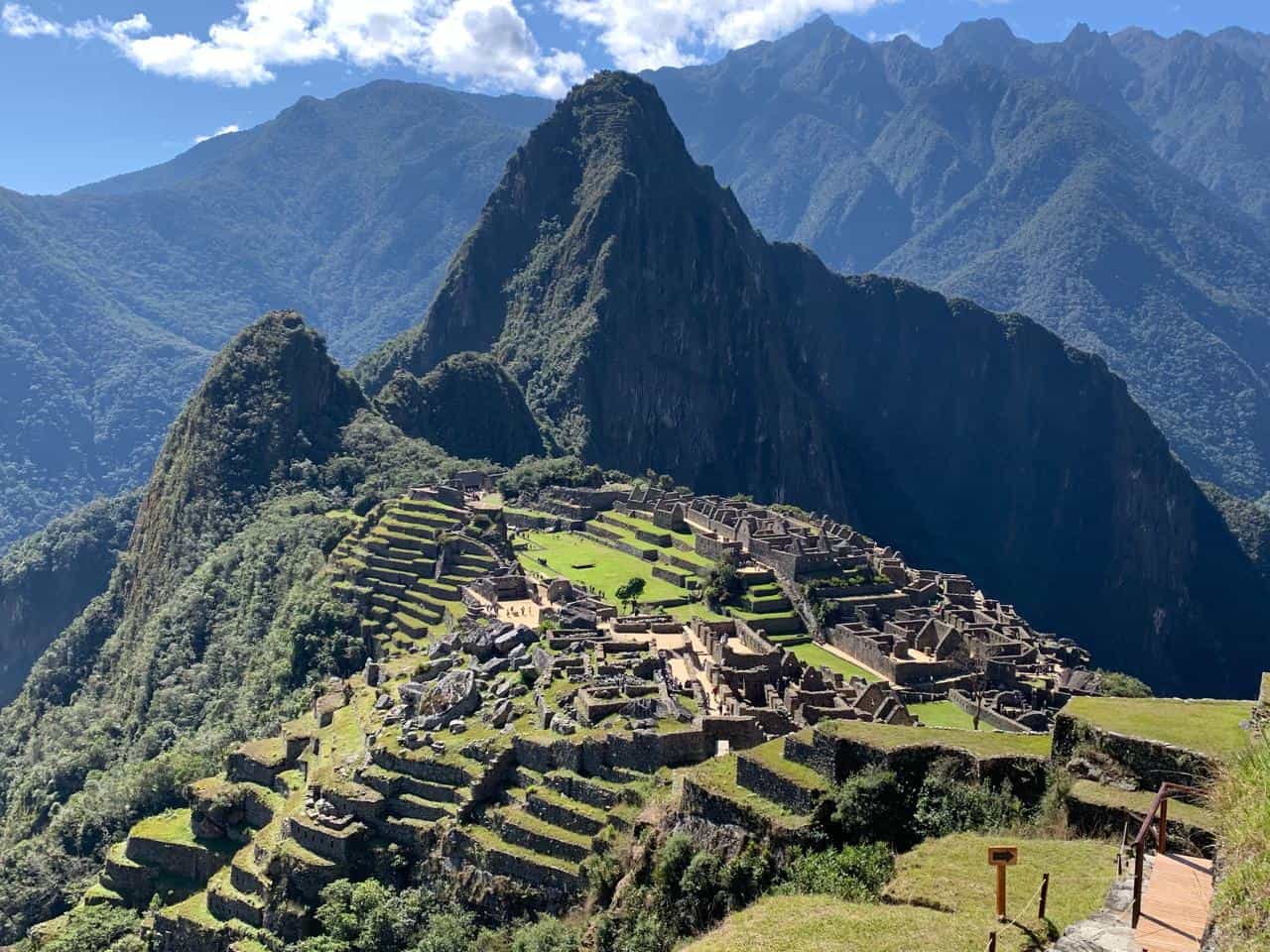
- Dramatic cloud scenery at Machu Picchu.
- Better availability of permits.
With the right preparation, March becomes one of the most rewarding times to hike the Inca Trail