
The Ultimate 4-Day Inca Trail Guide to Machu Picchu
Inca Trail adventure, Hiking to Machu Picchu is a true adventure, making the journey to the Inca Citadel as rewarding as the ruins themselves. The 4-day Inca Trail in Peru stands out as one of the most famous and breathtaking treks on the globe. You get to walk the exact stone paths laid by the Incas centuries ago, passing through stunning Andean scenery, mysterious cloud forests, and ancient archaeological sites.
Planning a trip to Peru requires some preparation, especially when tackling a multi-day hike. You need to understand the daily hiking distances, the campsites you will sleep in, and how to properly handle the high altitude. Knowing what to expect ensures you can fully enjoy the breathtaking views and rich history along the way.
This guide provides everything you need to know about the classic 4-day Inca Trail, known locally as the Camino Inca. We cover the day-by-day itinerary, essential altitude tips, and exactly what you need to pack so you can plan your dream trip to Machu Picchu with total confidence.
What to Expect on the 4-Day Inca Trail
The classic Inca Trail route covers roughly 26 miles (42 kilometers) of diverse terrain. Local experts carefully design these guided treks to give you the best possible experience, balancing challenging climbs with plenty of time to explore.
Day 1: The Journey Begins
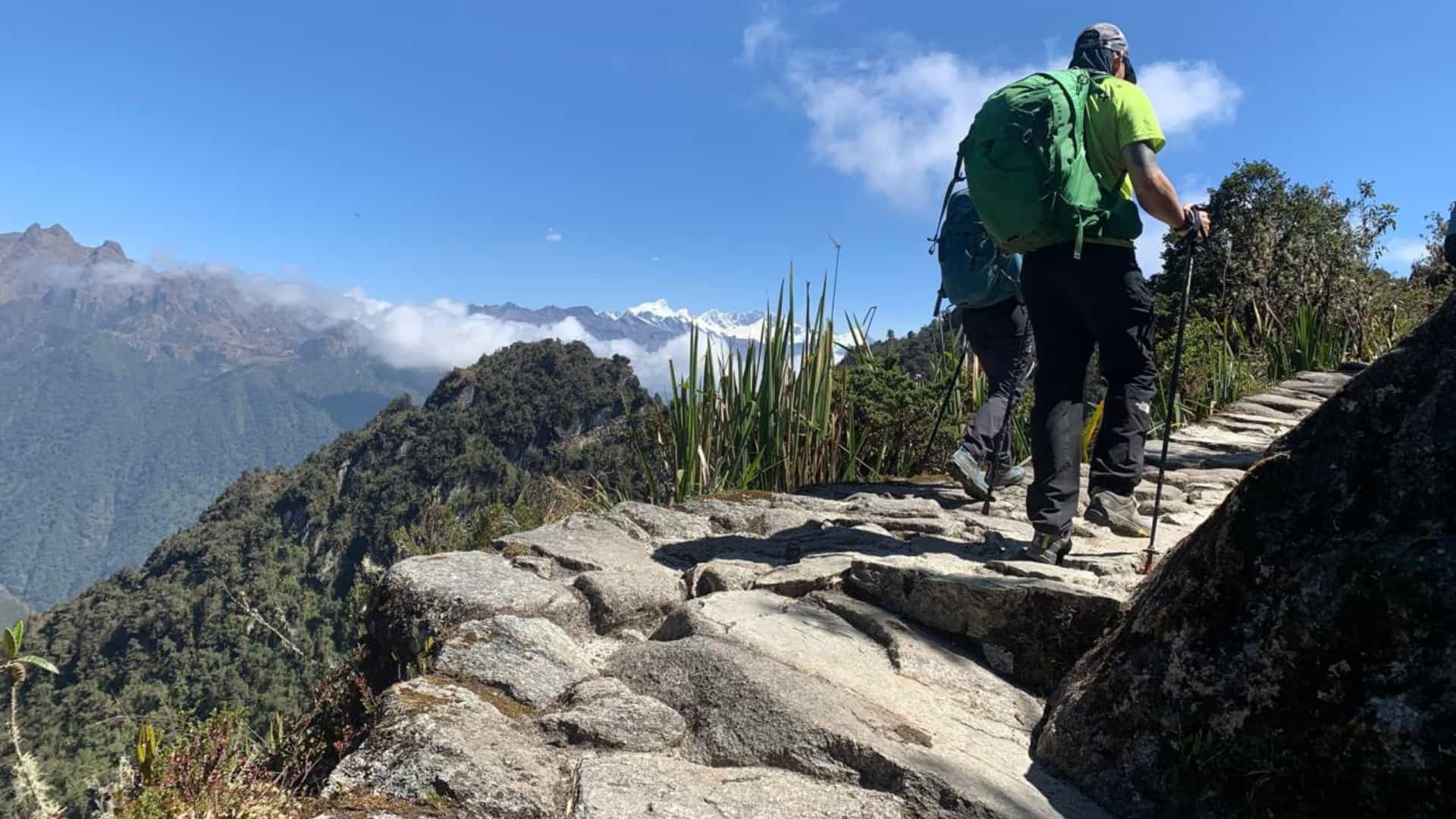
Your adventure usually starts at Kilometer 82, the official checkpoint for the Inca Trail. The first day serves as a great warm-up. You will hike through the sacred Urubamba Valley, enjoying views of the snow-capped Veronica mountain. After about six to seven hours of moderate walking, you will reach your first campsite at Wayllabamba. Here, your guides and porters will have your tents ready and a hot meal waiting for you.
Day 2: Conquering Dead Woman’s Pass
Get ready for the most challenging day of the trek. You will ascend to the highest point of the Inca Trail, known as Warmiwañusca or Dead Woman’s Pass, which sits at an elevation of 13,779 feet (4,200 meters). Take your time and drink plenty of water as you make your way to the top. The sense of achievement you feel at the summit is incredible. Afterward, you will descend to the Pacaymayo campsite to rest and recover.
Day 3: Stepping Back in Time
Many hikers consider the third day to be the most beautiful part of the journey. You will cross two smaller mountain passes and transition into the lush green cloud forest. Along the way, you will explore several fascinating Inca ruins, including Sayacmarca and Phuyupatamarca. Your final campsite is usually Wiñay Wayna, a stunning archaeological site featuring curved agricultural terraces.
Day 4: The Sun Gate and Machu Picchu
You will wake up before dawn on your final day to reach Inti Punku, the famous Sun Gate. Seeing Machu Picchu for the first time as the morning fog clears is a truly magical experience. After taking in the panoramic views, you will hike down into the citadel for a guided tour of the magnificent ruins, celebrating the end of your unforgettable journey.
Navigating Altitude on the Inca Trail
Altitude sickness is a common concern for anyone planning a trip to Peru. Because the Inca Trail reaches heights over 13,000 feet, you must give your body time to adjust.
Arrive in Cusco (which sits at 11,152 feet) at least two or three days before your trek begins. Use this time to explore the city, stay hydrated, and eat light meals. Chewing on coca leaves or drinking coca tea is a traditional local remedy that helps ease mild altitude symptoms. Listen to your body and walk at your own pace during the hike. Your local guides are highly trained experts who will monitor your health and ensure you stay safe throughout the adventure.
Essential Packing List for Your Trek
Packing smart is crucial for a comfortable hike. Since porters carry the bulk of your camping equipment, you only need to carry a daypack with your daily essentials. Here is a helpful checklist of what to bring:
- Original Passport: You must show the exact passport you used to book your permit at the trail checkpoints.
- Proper Footwear: Bring broken-in, waterproof hiking boots with good ankle support.
- Layered Clothing: The weather in the Andes changes rapidly. Pack moisture-wicking base layers, a warm fleece, and a waterproof jacket.
- Sleeping Bag: Bring a high-quality, cold-weather sleeping bag (you can usually rent these from your tour operator).
- Sun Protection: The sun is very strong at high altitudes. Pack sunscreen, sunglasses, and a wide-brimmed hat.
- Reusable Water Bottle: Staying hydrated is vital. Bring a durable water bottle or a hydration bladder.
- Insect Repellent: You will need bug spray, especially as you enter the lower-altitude cloud forests.
- Headlamp: Essential for navigating the campsite at night and for the early morning hike to the Sun Gate.
Start Your Peruvian Adventure Today
Completing the Inca Trail is a deeply rewarding experience that connects you with the history and natural beauty of the Andean lands. From the towering peaks of Dead Woman’s Pass to the mysterious terraces of Wiñay Wayna, every step brings a new discovery.
Let’s plan your dream trip to Machu Picchu. Reach out to our team of local experts today, and let us help you craft an authentic, once-in-a-lifetime adventure on the Camino Inca.


