Classic Inca Trail 4 Days to Machu Picchu – Price, Itinerary & Travel Tips (2026)
The Classic Inca Trail 4 Days to Machu Picchu is the most popular and iconic trekking route in Peru. This ancient stone path, built by the Incas more than 500 years ago, combines breathtaking Andean scenery, cloud forest, archaeological sites, and the unforgettable entrance through the Sun Gate (Inti Punku). If you are searching for information about the cost of the Inca Trail 4 days in 2026, this section explains prices, inclusions, daily hiking distances, service levels, and what makes this trek the best way to reach Machu Picchu on foot. Many travelers choose the 4-day Inca Trail trek from Cusco because it offers the perfect balance between adventure, culture, and comfort, making it suitable for beginners and experienced hikers alike.
How Much Does the Classic Inca Trail 4 Days Cost in 2026?
The Inca Trail 4 day trek price in 2026 varies depending on service, group size, and season. On average, travelers should expect:
- Group Inca Trail 4 Days: USD $650 – $900 per person
- Small Group Inca Trail (6–8 people): USD $750 – $1,050 per person
- Private Inca Trail 4 Days Tour: USD $1,100 – $1,500 per person
These prices include government permits, professional guides, porters, camping equipment, meals, and entrance to Machu Picchu. Because the trail is protected, only authorized operators can sell the Classic Inca Trail 4 Days to Machu Picchu.
Why the Inca Trail 4 Days Is the Best Trek to Machu Picchu
Compared with other hikes like Salkantay or Lares, the Classic Inca Trail 4 Days offers exclusive access to original Inca ruins along the route. Highlights include:
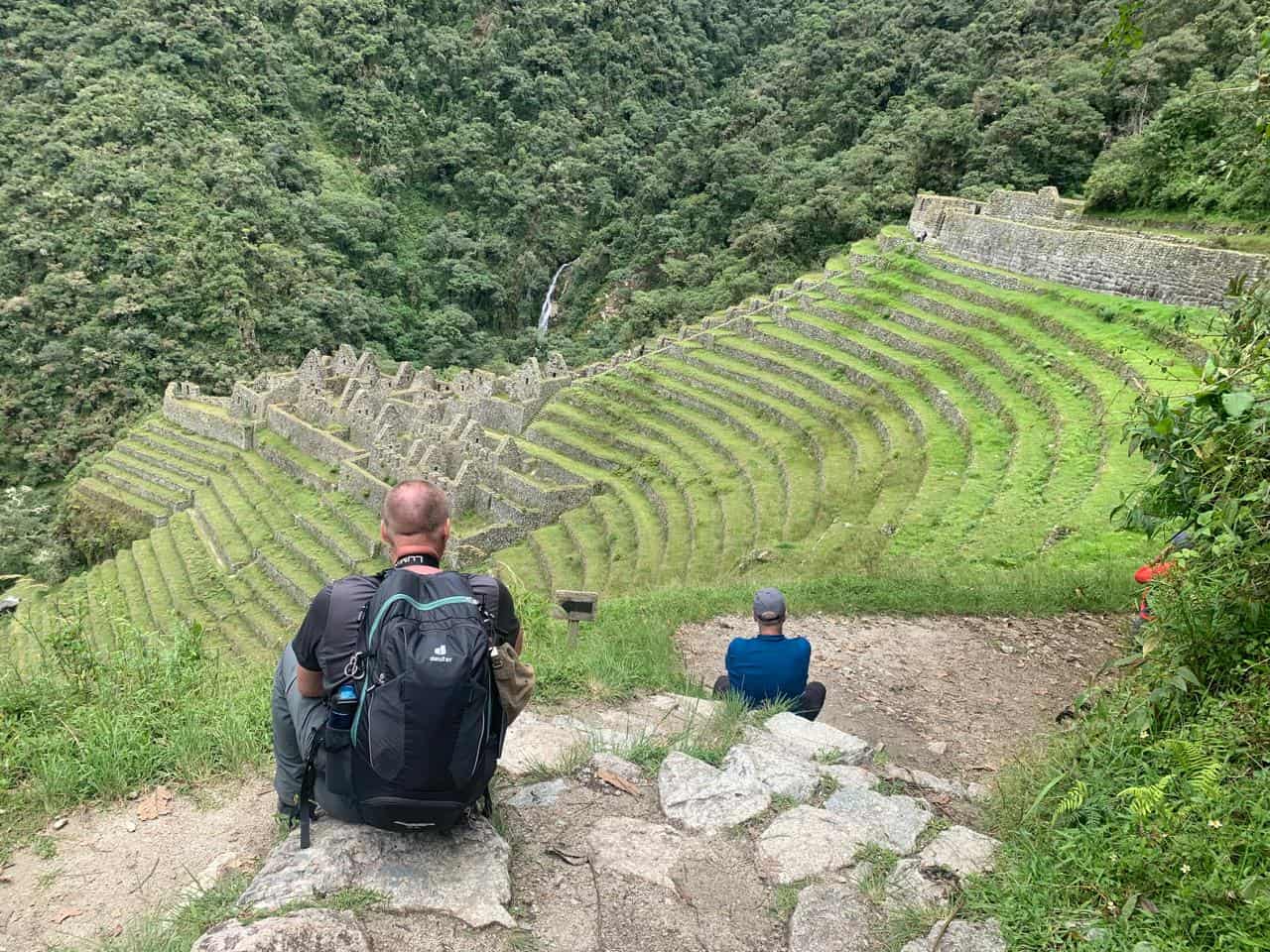
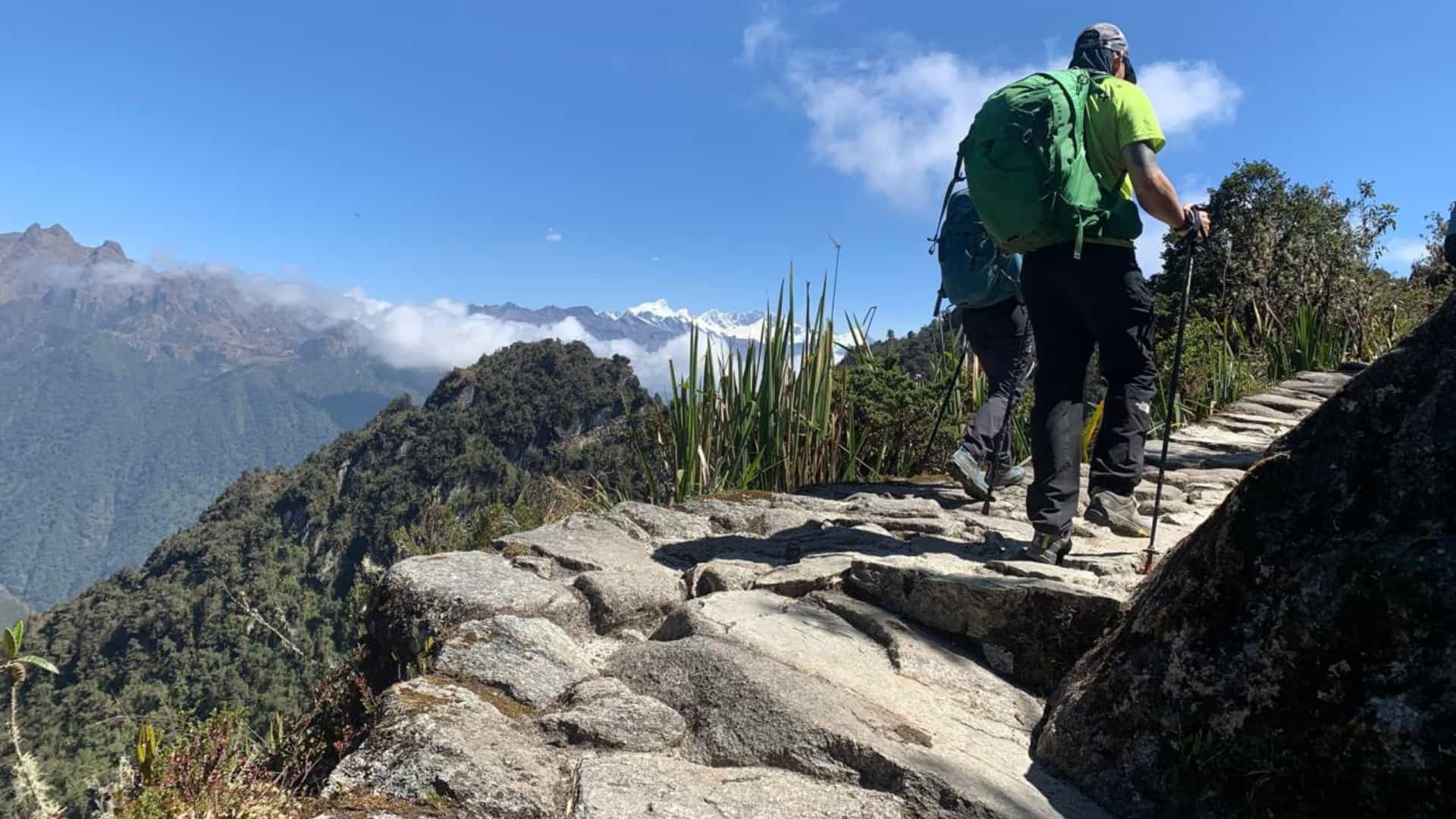
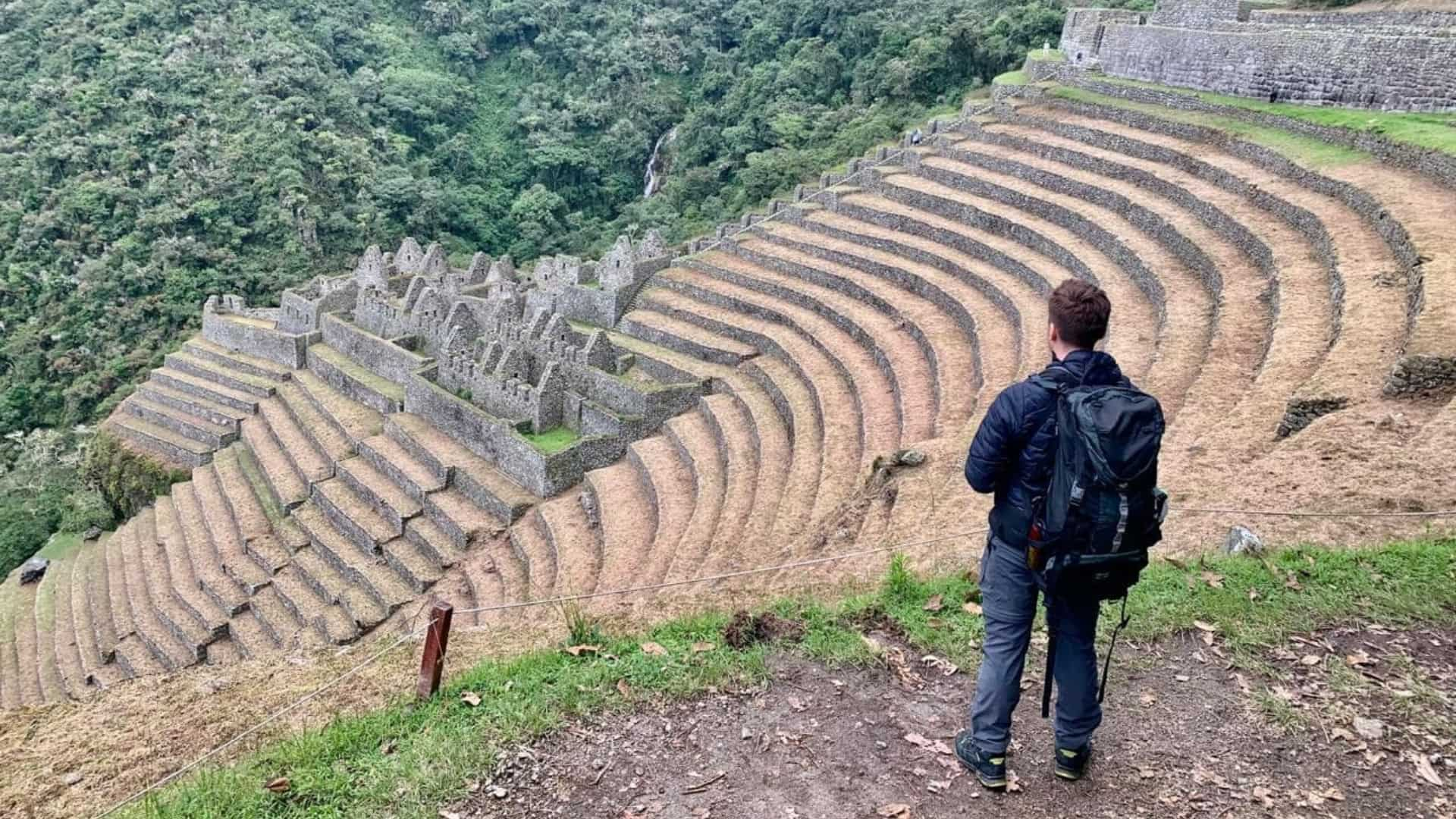
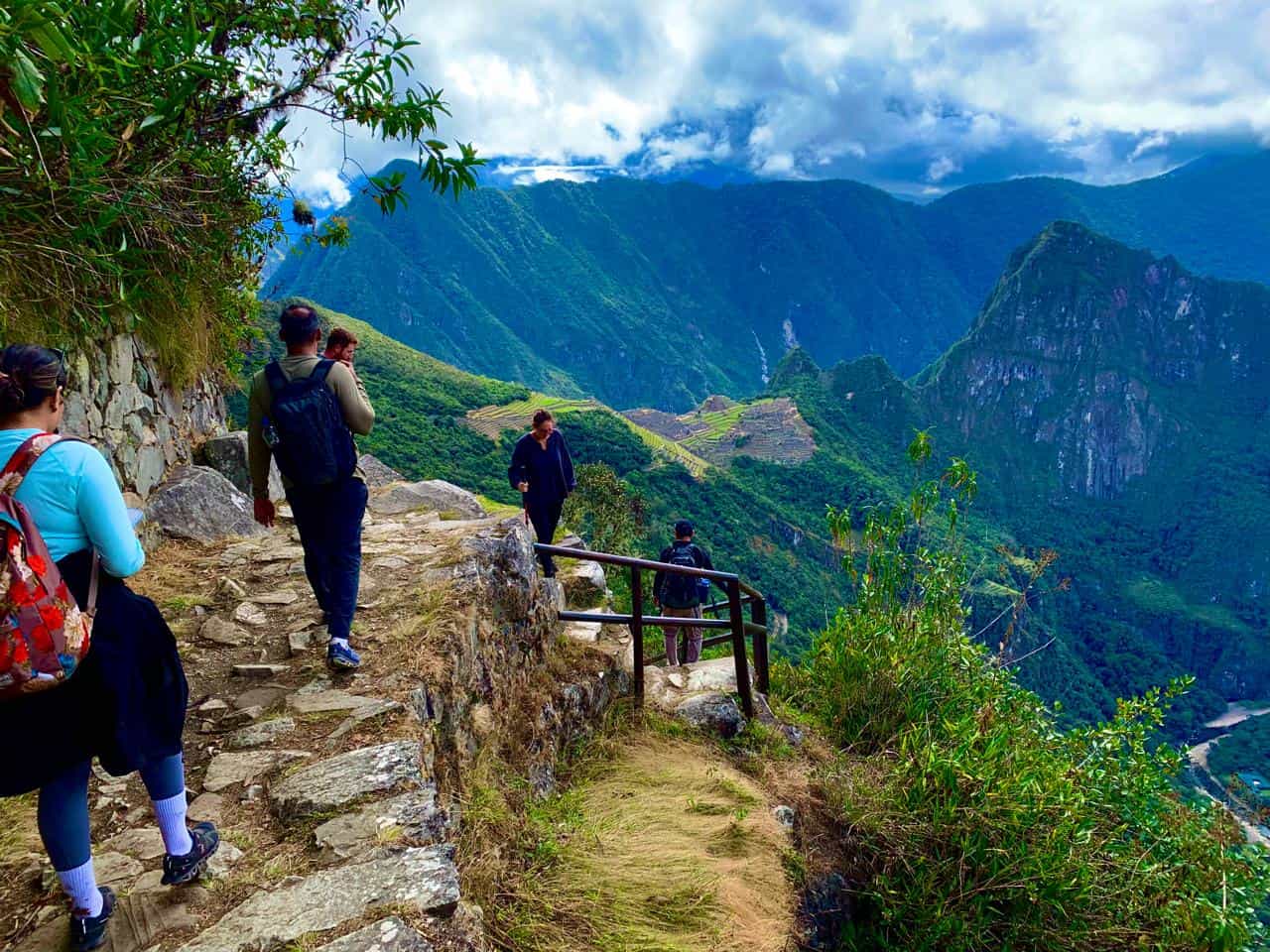
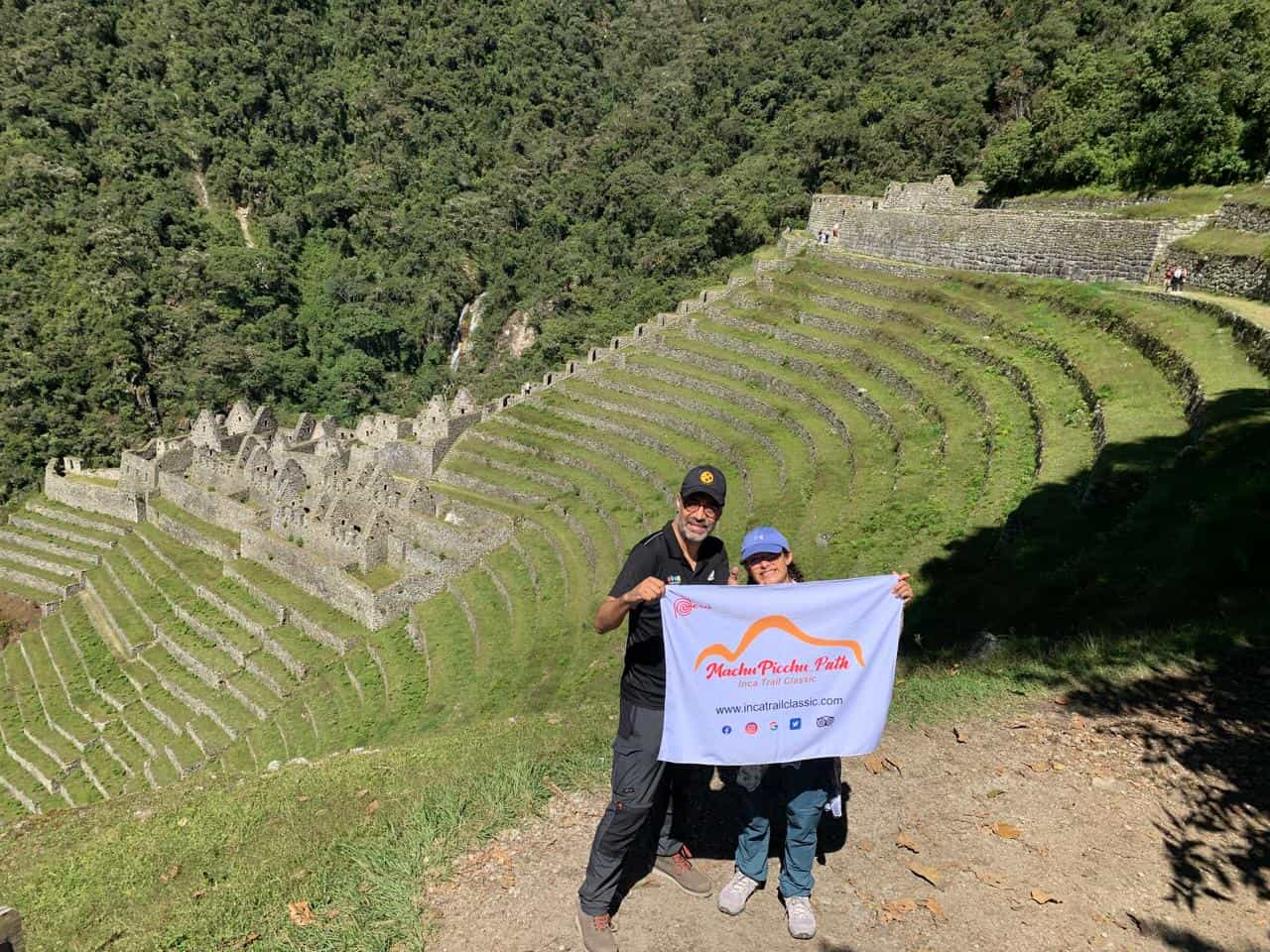
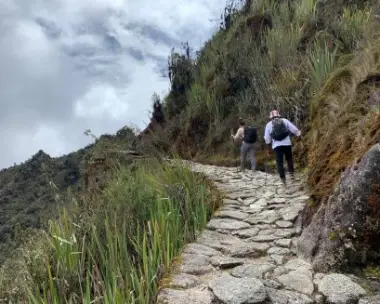
Walking on authentic Inca stone paths, Visiting Llactapata, Runkurakay, Sayacmarca, Phuyupatamarca, and Wiñay Wayna, rossing Dead Woman’s Pass (Warmiwañusca – 4,215 m), Entering Machu Picchu through the Sun Gate, Experiencing history, nature, and adventure together. This is why the Inca Trail 4 days hike remains the most demanded trek in Peru
Daily Hiking Distances on the Inca Trail 4 Days
Understanding the walking time helps travelers prepare for the 4 day Inca Trail trek from Cusco:
- Day 1: 12 km / 7.5 miles – Easy to moderate
- Day 2: 11 km / 6.5 miles – Challenging (Dead Woman’s Pass)
- Day 3: 16 km / 10 miles – Moderate with ruins
- Day 4: 6 km / 3 miles – Easy, arrival at Machu Picchu
In total, the Classic Inca Trail 4 Days covers about 42 km (26 miles).
What Is Included in the Classic Inca Trail 4 Days Tour?
Most professional companies include everything needed for a successful Inca Trail 4 Days to Machu Picchu:
- Official Inca Trail permits
- Entrance ticket to Machu Picchu
- Professional English-speaking guide
- Transportation from Cusco to KM 82
- All meals during the trek
- Camping equipment and tents
- Porters for group gear
- Train ticket from Aguas Calientes to Cusco
- First-aid kit and oxygen
Optional upgrades may include hotels, sleeping bags, trekking poles, private guides, and personal porters.
Best Time to Do the Inca Trail 4 Days in 2026
The best season for the Inca Trail 4 days hike is:
- Dry season: May – September (best weather)
- Shoulder season: March, April, October
- Rainy season: November – March (greener, fewer crowds)
- Closed: February (maintenance)
For the best experience, book your Inca Trail 4 Days tour in 2026 at least 4–6 months in advance
Is the Inca Trail 4 Days Worth the Cost?
Yes. The Classic Inca Trail 4 Days to Machu Picchu is not only a hike but a journey through history. The price supports conservation, porter welfare, professional guiding, and controlled access to protect this world heritage route. When travelers ask about the cost of the Inca Trail 4 days, the real value is found in the experience: sunrise at the Sun Gate, ancient ruins, Andean landscapes, and the emotional arrival at Machu Picchu. For many visitors, the Inca Trail 4 day trek from Cusco to Machu Picchu becomes the highlight of their entire Peru trip. The Inca Trail to Machu Picchu is one of the most famous treks in the world. Every year, thousands of travelers come to Peru to experience this ancient path built by the Incas, combining breathtaking mountain scenery, cloud forest, archaeological sites, and the unforgettable arrival at the Sun Gate of Machu Picchu. If you are planning your adventure, one of the first questions is: How much does the Inca Trail cost in 2026? In this complete guide, you will find updated prices, what is included, what affects the cost, and tips to save money while still enjoying a high-quality experience
Average Cost of the Inca Trail in 2026
The price of the Inca Trail depends on the number of days, the service level, and the tour operator. In 2026, the average costs are:
- Classic Inca Trail 4 Days / 3 Nights: USD $650 – $950 per person
- Short Inca Trail 2 Days / 1 Night: USD $450 – $650 per person
- Private Inca Trail Tours: USD $1,100 – $1,500 per person
These prices are regulated because only authorized operators can run the Inca Trail, and the Peruvian government controls daily permits.
What Is Included in the Inca Trail Price?
Most professional operators include a full service package so you can focus only on enjoying the hike. In general, the Inca Trail tour price includes:
- Official Inca Trail permit
- Entrance ticket to Machu Picchu
- Professional English-speaking guide
- Transportation from Cusco to the trailhead
- All meals during the trek (breakfast, lunch, dinner, snacks)
- Camping equipment (tents, dining tent, kitchen tent, tables, chairs)
- Porters to carry group equipment
- Train ticket from Machu Picchu to Cusco
- First-aid kit and oxygen tank
- Some premium services may also include:
- Hotel night in Aguas Calientes
- Sleeping bags and trekking poles
- Bus ticket from Machu Picchu to the citadel
- Private guide and personal porter service
What Is NOT Included?
Even with full service, some items are usually not included:
- Breakfast on the first day
- Lunch on the last day
- Tips for porters and guide
- Personal trekking gear
- Travel insurance
- Extra porter for personal luggage
Always read the program carefully before booking so you know exactly what you receive.
Bathrooms on the Inca Trail (Important to Know)
Many travelers worry about bathrooms on the Inca Trail, and it’s good to be prepared. Along the route, there are basic toilets at campsites and some rest stops managed by the government.
What to expect:
- Simple squat toilets at campsites
- Some with running water, others very basic
- No luxury bathrooms in the mountains
- Toilet paper is not always provided
- You should always carry your own paper and hand sanitizer
Your tour company also sets up a portable toilet tent at camps for more privacy. Guides usually show you where to go each day. While facilities are basic, they are clean enough and well maintained considering the remote location
How Many Hours Do You Walk Each Day?
The Classic 4-Day Inca Trail covers about 42 km (26 miles) in total. Each day is different in distance and difficulty:
Day 1 – Easy Start
- Distance: 12 km (7.5 miles)
- Hiking time: 5–6 hours
- Terrain: Mostly flat with gentle climbs
Day 2 – The Hardest Day
- Distance: 16 km (10 miles)
- Hiking time: 7–9 hours
- Includes Dead Woman’s Pass (4,215 m / 13,828 ft)
- Steep climbs and descents
Day 3 – Archaeological Day
- Distance: 10 km (6 miles)
- Hiking time: 5–6 hours
- More ruins and cloud forest
- Moderate difficulty
Day 4 – Arrival to Machu Picchu
- Distance: 4 km (2.5 miles)
- Hiking time: 2–3 hours
- Sunrise at the Sun Gate
- Guided tour in Machu Picchu
The Short Inca Trail (2 Days) walks about 12 km (7.5 miles) total and is easier, perfect for travelers with limited time
Why Does the Inca Trail Cost More Than Other Treks?
The Inca Trail is more expensive because:
- The government limits access to protect the trail
- Only licensed companies can operate
- Porters are paid and insured
- Campsites are regulated
- Permits sell out months in advance
Unlike other treks like Salkantay or Lares, the Inca Trail has strict control and preservation rules, which increase the operational cost but also guarantee quality and safety.
Factors That Affect the Inca Trail Price
Several things change the final cost:
- Season: High season (May–September) is more expensive.
- Group size: Small groups cost more.
- Private service: Fully private tours increase the price.
- Hotel category in Machu Picchu Pueblo.
- Extra porters for personal luggage. Booking early can help secure better prices and permits
Cheapest vs Premium Inca Trail Tours
Budget Tours
- Basic camping equipment
- Larger groups
- Shared guide
- Limited customization
Premium Tours
- Smaller groups
- Better food and tents
- Private guide
- Porter for personal belongings
- Better hotels in Machu Picchu
Choosing depends on comfort expectations and budget
Inca Trail Permit Cost in 2026
The permit itself is part of the tour price and cannot be purchased separately. The government issues around 500 permits per day, including travelers, guides, and porters. Because of this, spaces sell out fast, especially for June, July, and August. It is recommended to book 4–6 months in advance for high season and at least 2–3 months for low season.
Best Time to Book the Inca Trail
- High season: May to September
- Low season: November to March
- Closed month: February (maintenance)
March and April offer good prices with fewer crowds, while June and July are the most popular months.
Smart Tips to Plan the Inca Trail in 2026 Like a Pro
Planning the Inca Trail is not only about price, but also about preparation, safety, comfort, and getting the best experience possible. Here are detailed and practical tips to help you organize your trek correctly in 2026.
Book Your Permit Early
The most important tip is to reserve in advance. Inca Trail permits are limited and controlled by the government. For high season (May to September), you should book 4 to 6 months ahead. For shoulder season, at least 2 to 3 months is recommended. Waiting too long usually means no availability.
Choose an Authorized Tour Operator
Choosing the right company for the Inca Trail (Camino Inca) is one of the most important steps in planning your trek to Machu Picchu. Since the trail is protected by the Peruvian government, only authorized tour operators are allowed to run tours. But beyond authorization, travelers should know how to decide which company really fits their needs.
Here are the key points to consider when choosing an Inca Trail operator
Verify Authorization and Permits
Always make sure the company is officially licensed to operate on the Inca Trail and includes the government permit in the price. Permits are limited and cannot be bought separately, so a serious operator handles this process for you
Check Reviews and Reputation
Look for recent reviews on platforms like Google, TripAdvisor, or travel forums. Pay attention to comments about guides, food quality, organization, and safety. Consistent positive feedback is a strong sign of reliability