Classic Inca Trail vs Short Inca Trail: How to Choose Your Hike
Inca trail hiking to Machu Picchu is a true adventure, making the journey to the Inca Citadel as rewarding as the ruins themselves. Every year, thousands of travelers from around the globe travel to the Andes to walk the sacred paths left behind by the ancient Incas. The towering mountains, lush cloud forests, and breathtaking archaeological sites create a truly magical experience.
Choosing the right trek is the first step in planning your dream trip to Machu Picchu. You will quickly discover two main options for this iconic route: the Classic Inca Trail and the Short Inca Trail. Both paths offer incredible scenery and rich history, but they cater to very different types of travelers, schedules, and physical fitness levels.
Understanding the differences between these two routes is essential for securing your Inca trail tickets and preparing for the journey ahead. We specialize in guiding small groups through Machu Picchu and the Andean lands of Peru, creating authentic, once-in-a-lifetime adventures.
Let’s explore the details, itineraries, altitudes, and highlights of both routes so you can decide which Inca trail Peru experience is perfect for you.
The Classic Inca Trail: A 4-Day Epic Journey
The Classic Inca Trail is the most famous trek in South America. This four-day, three-night camping experience takes you deep into the Andes, crossing high mountain passes and exploring remote Inca ruins before finally arriving at the Sun Gate (Inti Punku) for a spectacular sunrise view of Machu Picchu.
Highlights and Distances
- Total Distance: Approximately 43 kilometers (26 miles).
- Highlights: Dead Woman’s Pass (Warmiwañusca), the ruins of Runkuraqay, Sayacmarca, Phuyupatamarca, and Wiñay Wayna.
- Vibe: A fully immersive, off-the-grid camping adventure in nature.
Altitude and Difficulty
- Maximum Altitude: 4,215 meters (13,828 feet) at Dead Woman’s Pass.
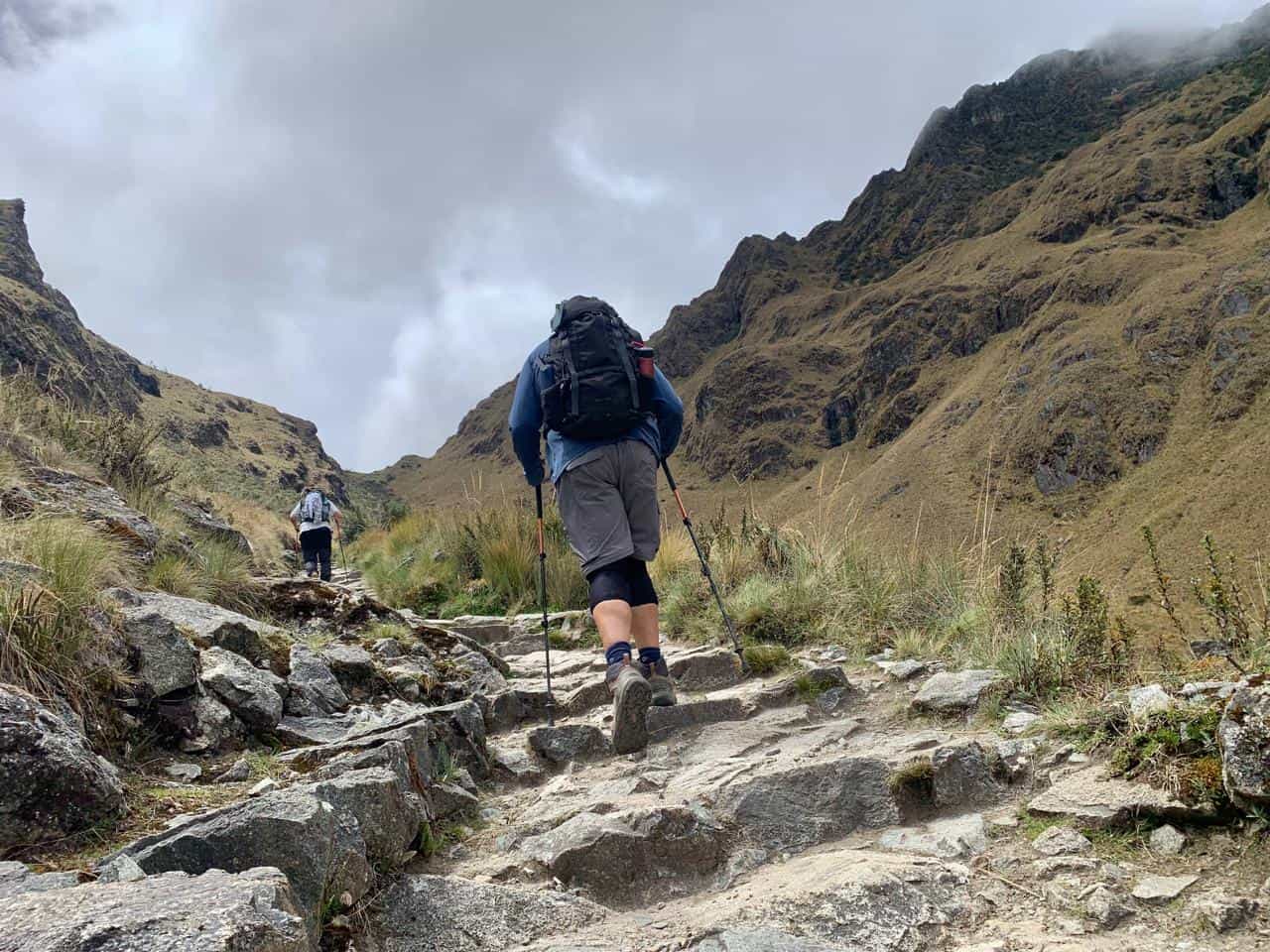
- Difficulty: Challenging. You will hike for 6 to 8 hours a day across steep, uneven stone steps and high elevations. Proper acclimatization in Cusco before the trek is highly recommended.
Day-by-Day Itinerary
Day 1: Cusco to Wayllabamba
Your local company guides will pick you up early and drive you to Kilometer 82, the official starting point. The first day is a relatively gentle introduction, covering about 12 kilometers. You will enjoy views of the snow-capped Veronica mountain and explore the Llactapata ruins before reaching the first camping site at Wayllabamba.
Day 2: Wayllabamba to Pacaymayo
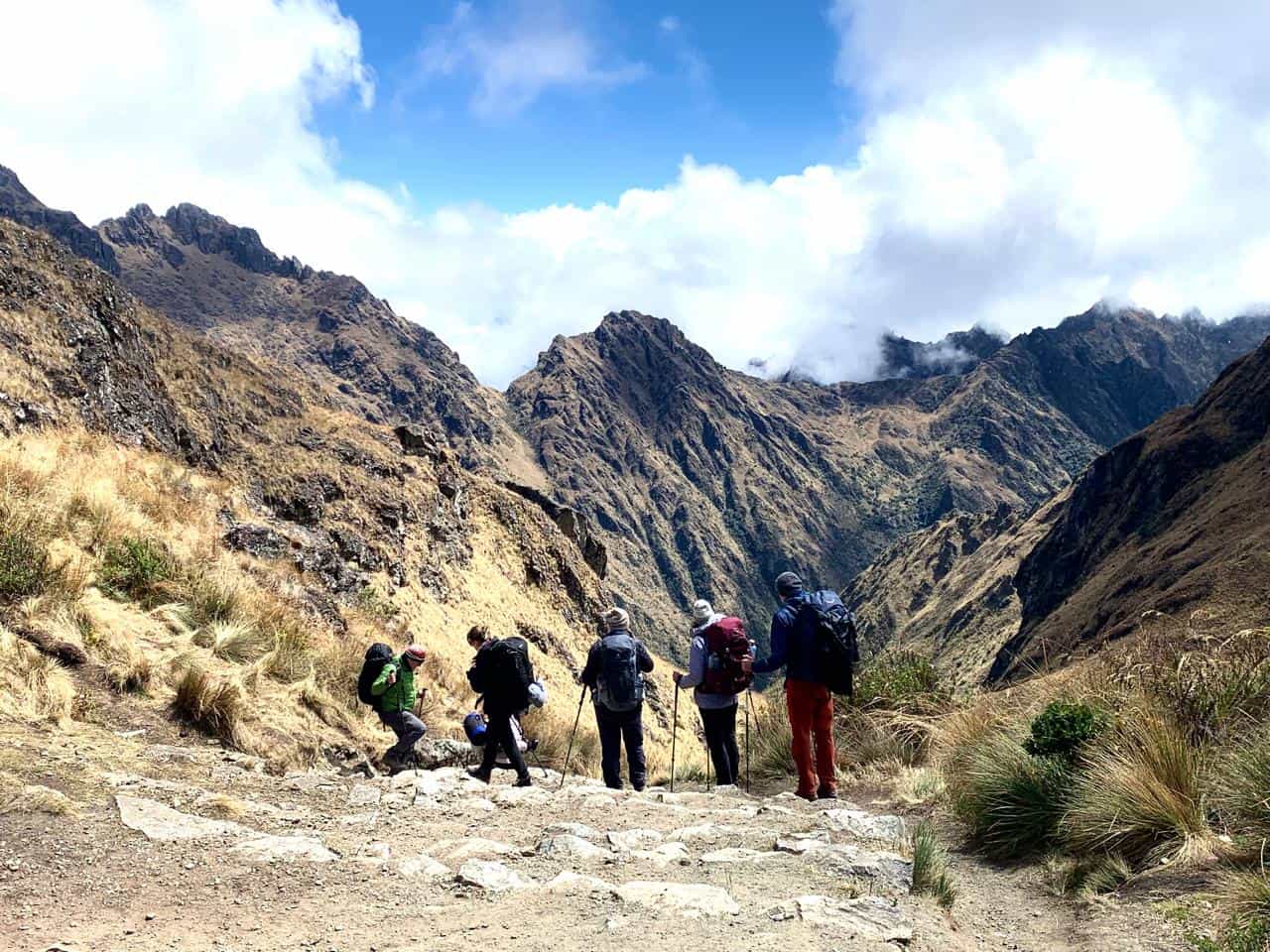
This is the most challenging day of the trek. You will climb steeply for several hours to reach the infamous Dead Woman’s Pass at 4,215 meters. After celebrating your achievement at the summit, you will descend into the Pacaymayo valley to rest for the night. The total walking distance is about 11 kilometers.
Day 3: Pacaymayo to Wiñay Wayna
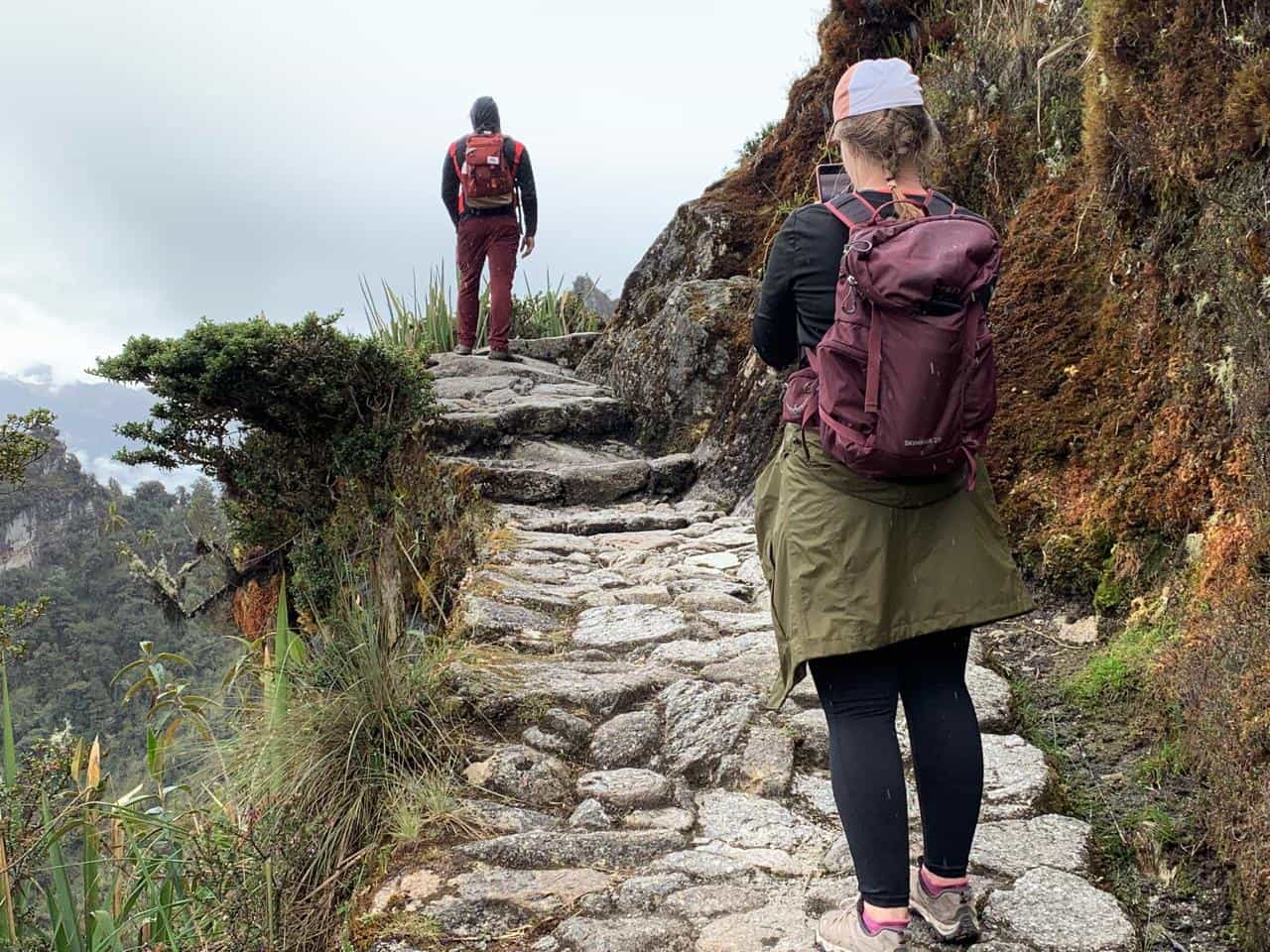
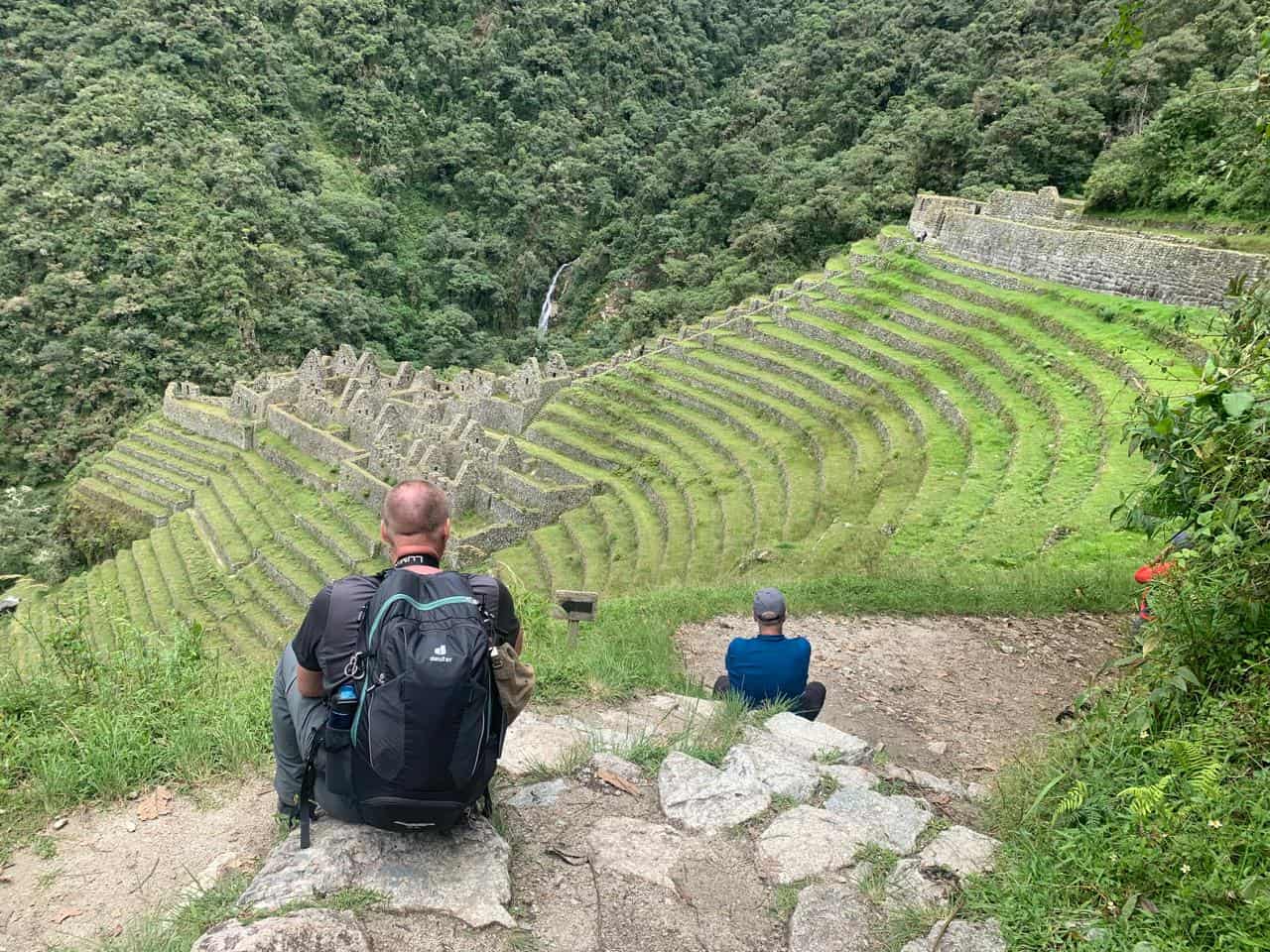
Many hikers consider this the most beautiful day on the trail. You will cross two smaller mountain passes and transition into the lush, green cloud forest. Along the way, you will visit several stunning archaeological sites, including Sayacmarca and Phuyupatamarca. You will camp near Wiñay Wayna, covering roughly 16 kilometers.
Day 4: Wiñay Wayna to Machu Picchu
You will wake up before dawn to hike the final 4 kilometers to Inti Punku, the Sun Gate. Watching the morning light illuminate Machu Picchu is an unforgettable reward. Afterward, you will descend into the citadel for a guided tour before taking the train back to Cusco.
What is Included and Not Included
Included:
- Professional English-speaking guides.
- Inca trail tickets and Machu Picchu entrance fees.
- High-quality camping equipment (tents, dining tents, sleeping mats).
- Porters to carry the equipment and food.
- All meals prepared by an expert trekking chef.
- Transportation to the trailhead and train tickets back to Cusco.
- Bus from Machu picchu inca site.
Not Included:
- Sleeping bags (available for rent).
- Gratuities for the guides, chefs, and porters.
- Travel insurance.
- Walking poles
The Short Inca Trail: A 2-Day Express Route
If you are short on time, traveling with children, or simply prefer a hotel bed over a camping tent, the Short Inca Trail is a fantastic alternative. This two-day, one-night option provides a taste of the classic route without the gruelling high-altitude climbs.
Highlights and Distances
- Total Distance: Approximately 12 kilometers (7.5 miles) of hiking.
- Highlights: Chachabamba, the spectacular ruins of Wiñay Wayna, a sunset arrival at the Sun Gate, and a full guided tour of Machu Picchu on the second day.
- Vibe: A fast-paced, accessible adventure with the comfort of a hotel stay in Aguas Calientes.
Altitude and Difficulty
- Maximum Altitude: 2,730 meters (8,956 feet) at the Sun Gate.
- Difficulty: Moderate. While it is much easier than the classic route, it still involves several hours of uphill walking on uneven stone steps.
Day-by-Day Itinerary
Day 1: Kilometer 104 to Aguas Calientes
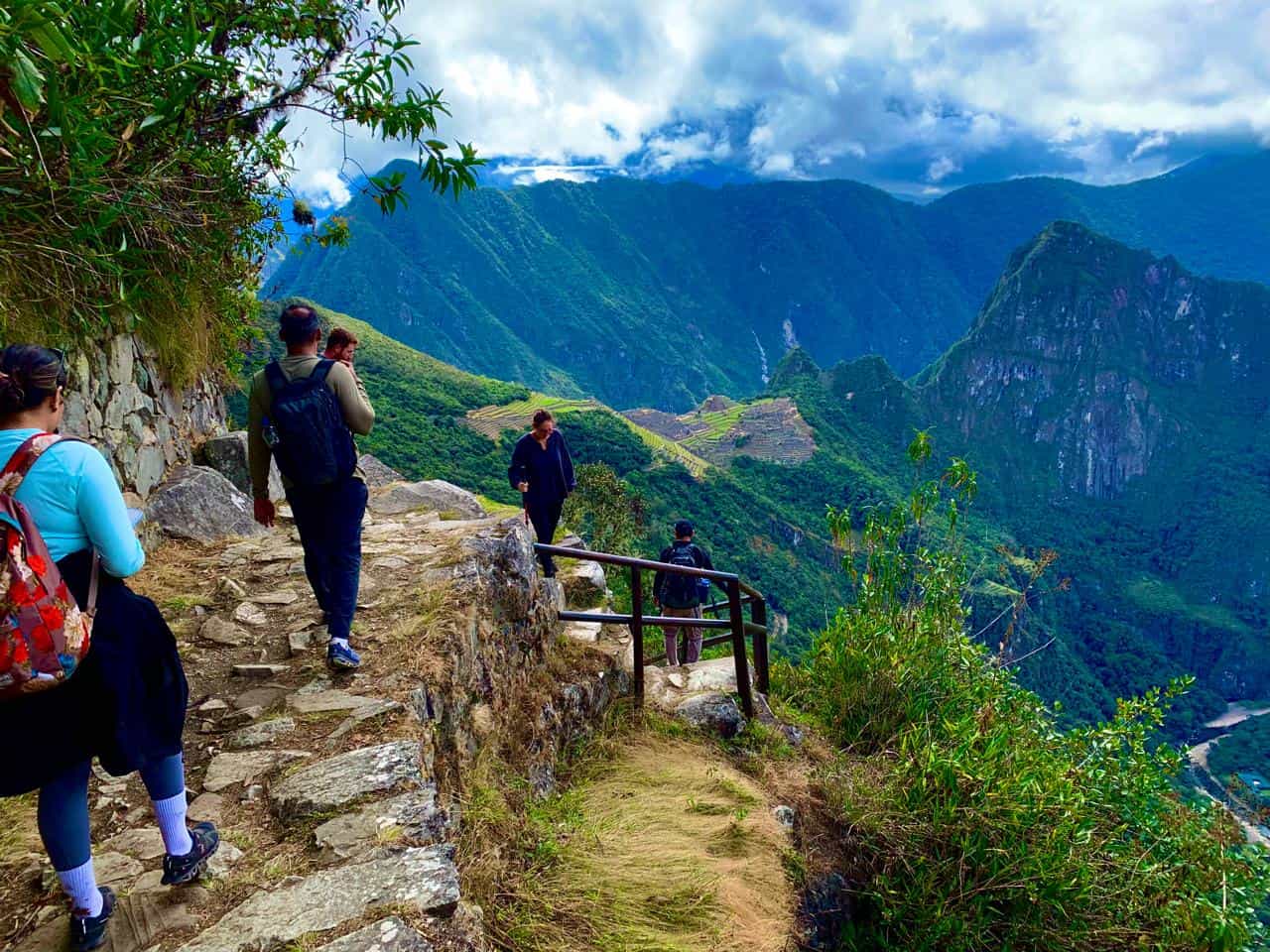
You will take a scenic train ride from the Sacred Valley to Kilometer 104, the starting point for the short trek. The trail begins with a visit to the Chachabamba ruins before a steady three-hour uphill climb to Wiñay Wayna. After enjoying a boxed lunch, you will continue your hike to the Sun Gate for your first glimpse of Machu Picchu in the late afternoon. You will then take a bus down to the town of Aguas Calientes, where you will spend the night in a comfortable hotel.
Day 2: Machu Picchu Tour and Return to Cusco
After a restful night and breakfast at your hotel, you will take an early bus back up to Machu Picchu. Your expert guide will lead you through the temples, terraces, and plazas of the ancient city, sharing the fascinating history of the Incas. In the afternoon, you will board the panoramic train for your journey back to Cusco.
What is Included and Not Included
Included:
- Professional guide.
- Train tickets to the trailhead and back to Cusco.
- Inca trail tickets and Machu Picchu entrance for two days.
- Box lunch on day one and breakfast on day two.
- Hotel accommodation in Aguas Calientes.
- Bus tickets between Aguas Calientes and Machu Picchu.
Not Included:
- Dinner in Aguas Calientes on the first night.
- Hot springs entrance fees.
- Gratuities.
Essential Tips for Your Inca Trail Adventure
Preparing for an Inca trail adventure requires some careful planning. Here are a few expert tips to ensure your journey is safe, comfortable, and unforgettable.
Book Well in Advance
Inca trail tickets are strictly limited to protect the historic path. The government only issues 500 permits per day for the classic route (including porters and guides) and 250 for the short route. You should book your trek at least six months in advance, especially if you plan to travel during the dry season (May to September).
Acclimatize Properly
Altitude sickness can affect anyone, regardless of fitness level. Plan to spend at least two to three days in Cusco or the Sacred Valley before starting your trek. Drink plenty of water, avoid heavy meals, and try traditional coca tea to help your body adjust.
Pack Smart and Light
If you are hiking the classic route, the porters will carry the bulk of your gear, but you are subject to strict weight limits. Bring breathable, moisture-wicking clothing, a warm jacket for cold nights, a good sun hat, and high-quality trekking boots. Do not forget insect repellent for the cloud forest sections.
Look for Personalized Experiences
When choosing a local company, look for operators that offer tours personalizados (personalized tours). Small group sizes and tailored services ensure you get the attention and flexibility you need to fully enjoy the experience without feeling rushed.
Secure Your Spot on the Inca Trail
Both the Classic Inca Trail and the Short Inca Trail offer unique experiences in Peru designed for you by local experts. Whether you want to conquer high mountain passes and sleep under the Andean stars or enjoy a brisk, beautiful hike followed by a comfortable hotel stay, there is a perfect path waiting for you.
Hiking to Machu Picchu is a profound journey that connects you with history, nature, and your own sense of adventure. Now that you understand the differences between these two incredible routes, it is time to take the next step.