

One of the main reasons to explore the Sacred Valley of the Incas is to acclimatize to the altitude before your hikes in the Andes of Cusco. This incredible tour helps your body adjust while you enjoy one of the most beautiful cultural landscapes in Peru.
During sacred valley this unforgettable journey through the Sacred Valley tour, you will discover a rich blend of history, culture, and living traditions.
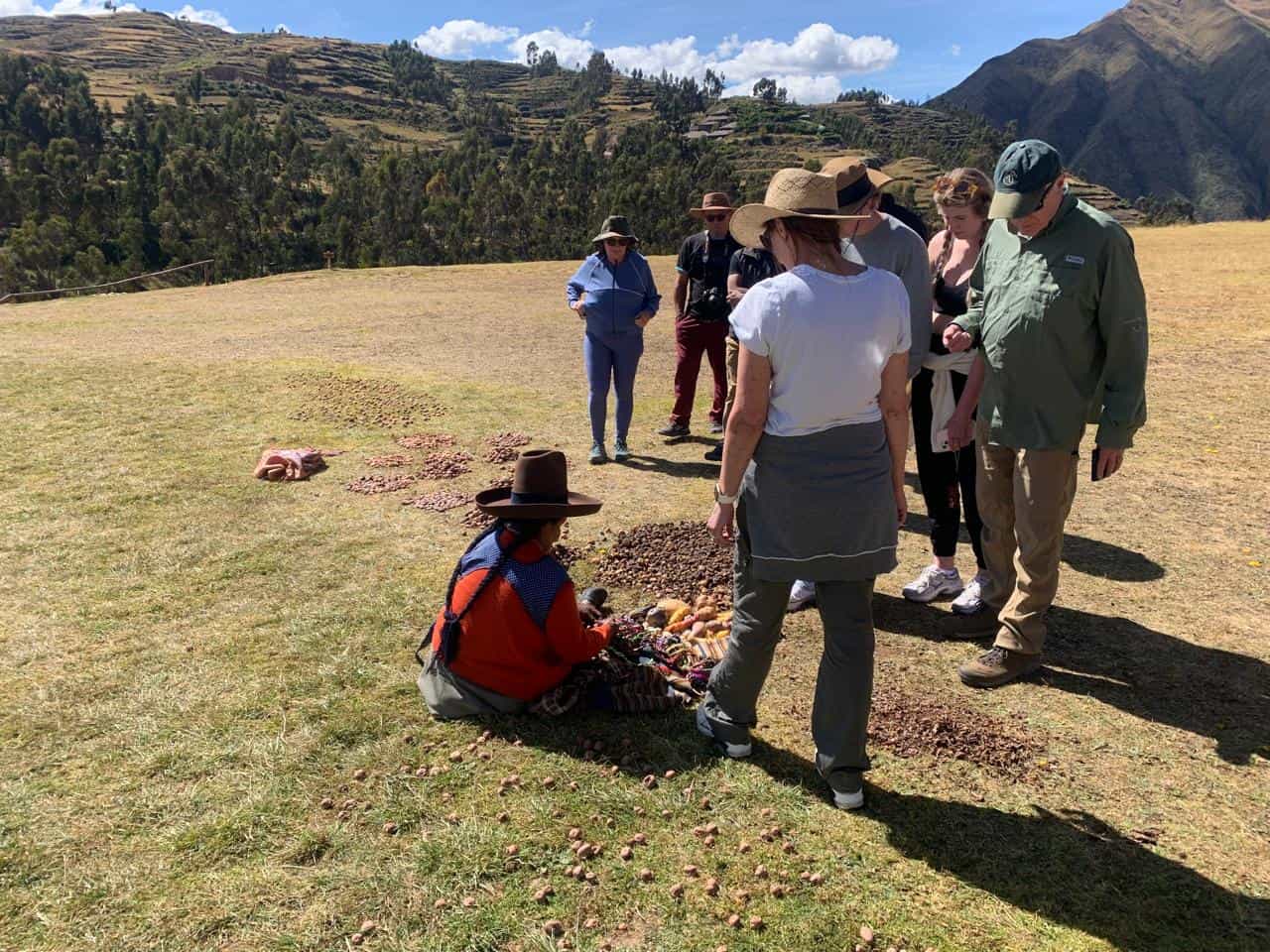
You will visit places like Chinchero, a traditional Inca agricultural center, where local communities still preserve ancient knowledge.
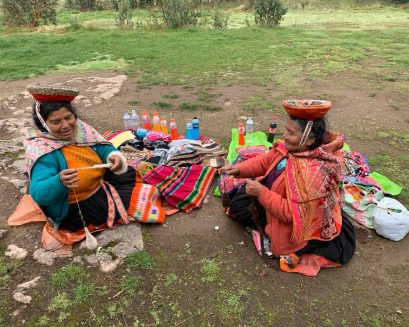
Here, you can experience authentic Andean culture by meeting local women who demonstrate traditional weaving techniques. They use natural materials such as flowers, leaves, and plants to create natural dyes, just as their ancestors did.
You will also learn about the traditional process of shearing alpaca wool and transforming it into handmade textiles. From this process, locals create beautiful and meaningful products such as ponchos, sweaters, and garments for both men and women—perfect for cultural souvenirs and photography.
During your visit to the Sacred Valley of the Incas, you will explore some of the most impressive cultural and archaeological sites in Peru. One of the main attractions is the Maras Salt Mines, where you can see how natural salt is still traditionally extracted by local families. These salt pools have been used for generations and contain over 3,000 salt ponds. This unique salt is considered purer and richer in minerals than sea salt, making it highly valued in local and international markets.
Next, you will visit Moray, an ancient Inca agricultural experimentation center. This fascinating site features circular terraces that were used to study different microclimates. The Incas developed advanced techniques here, allowing them to cultivate more than 4,000 varieties of potatoes and over 3,000 types of corn an incredible example of ancient agricultural science.
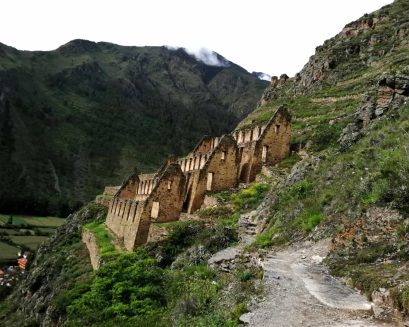
The tour continues to Ollantaytambo, a living Inca town famous for its massive terraces and impressive archaeological complex. This site offers a deep connection to Inca history and stunning mountain landscapes.
From Ollantaytambo, you also have the opportunity to connect your journey with a train ride on the PeruRail service towards the iconic Machu Picchu, one of the New Seven Wonders of the World.